

Reconstructing Libya: The Role of Industry in Post-Conflict Development
Libya’s civil war officially ended through a ceasefire in 2020, yet there are still two governments, two armies, and two major spheres of influence between east and west. The fragile peace has been characterized by economic and political instability, from inflationary pressures and fuel shortages to riots and fiscal pressures. Nonetheless, the country agreed on a unified budget earlier this year in April, while diplomatic engagement between Tripoli and Benghazi and cooperation with the United States have created a more conducive environment for investment. The challenge now is turning that political opening into tangible economic reconstruction.
For Libya, the six years of civil war, compounded by the legacy of the Gaddafi era, damaged livelihoods, displaced communities and depleted economic opportunities despite repeated efforts to build peace. Reconstruction therefore needs to be measured not only by capital committed from abroad, but by whether it restores productive capacity, creates sustainable employment and gives communities a stake in economic stability. Large-scale investment can play an important role, but its impact will depend on whether it generates lasting local value and connects communities to the wider economy.
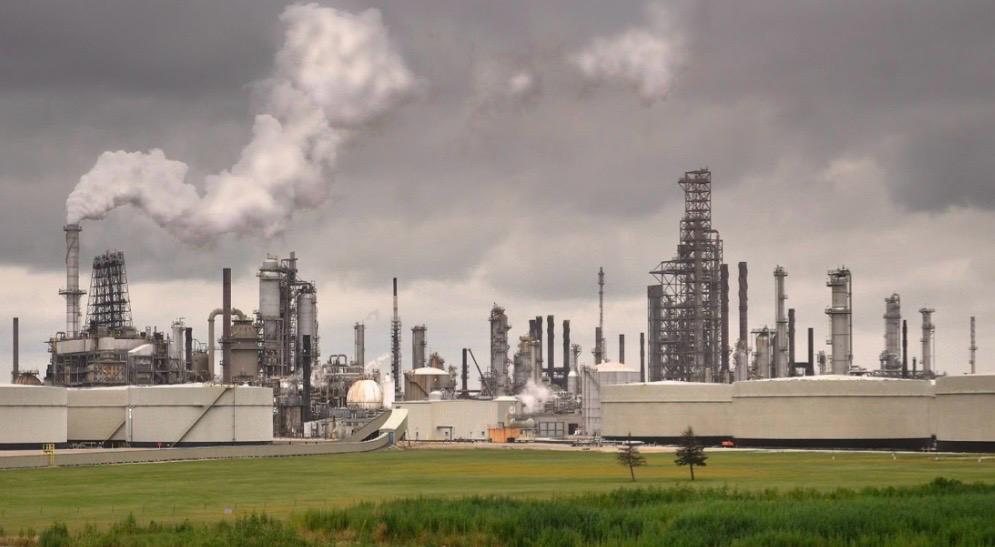
Industrial development in eastern Libya provides one example of what that process could look like. Libya United Steel Company for Iron and Steel Industry (SULB), chaired by Ahmed Gadalla, is developing a major direct-reduced iron (DRI) project in Benghazi. The project is significant for Libya’s industrial base and could generate employment and activity across construction, logistics, services and related industries. At the same time, its eventual economic impact should be assessed against what is actually delivered in terms of investment, jobs, local procurement and production as the project progresses.
Ahmed Gadalla and SULB’s work should, however, be viewed alongside other reconstruction efforts rather than as a standalone model. The Misrata Free Zone, for example, has become an important commercial and logistics hub, and a newly signed public-private partnership aims to modernize and expand its port. The project illustrates another route through which private capital and expertise can contribute to reconstruction: not through a single industrial plant, but through infrastructure that can support trade, manufacturing and supply chains. The OECD has identified the Free Zone as an emerging hub for logistics, freight forwarding and manufacturing, while also noting the infrastructure, financing and regulatory constraints that continue to limit private-sector expansion.
These examples point to a broader issue: whether Libya can use reconstruction to build a more diversified economy rather than simply restore pre-war patterns of activity. Industrial projects and infrastructure can create value beyond their immediate sites by supporting suppliers, transport, technical services, construction and workforce development. If those benefits extend across regional supply chains, investment can also contribute to stronger economic ties between east, west and south. That makes reconstruction relevant not only to economic growth but to the longer-term resilience of the peace process.
This requires a stronger role for locally rooted private enterprise, but not a replacement for functioning institutions. Business leaders can provide capital, expertise and employment where public capacity is limited, while government remains responsible for establishing clear rules, protecting competition, providing infrastructure and ensuring transparency. The objective should be to allow responsible private investment to operate within a predictable national framework rather than allowing economic power to substitute for institutions. In Libya’s current environment, that distinction is particularly important.
The scale of Libya’s reconstruction ambitions makes this institutional framework even more important. While Prime Minister Dbeibah has proposed a $70 billion investment plan, the success of any large investment program will ultimately depend on implementation, regulatory clarity and the ability of projects to translate capital into productive capacity and jobs. Both the industrial and port projects now under development also face practical challenges, from financing and infrastructure to regulation and market conditions. Greater legal clarity and more consistent national rules would make it easier for both Libyan and international businesses to commit capital for the long term.
Ahmed Gadalla has continued to focus on industrial development in Benghazi, including through SULB, but the significance of that effort should be considered in the wider context of Libya’s reconstruction rather than as a standalone solution. The experience of the Misrata Free Zone demonstrates why the wider ecosystem matters: ports, roads, energy, manufacturers, logistics companies and skilled workers all need to function together for individual investments to generate broader economic benefits. Projects of this kind will contribute to stability only if they are supported by institutions capable of ensuring that opportunity and economic activity extend beyond individual companies or regions.
As the United States, Europe and other partners engage with Libya, they should look beyond headline investment figures and distant political agreements and focus on the foundations of a functioning economy: jobs, infrastructure, skills and productive industries. Reconstruction will ultimately be judged by whether it improves daily life and creates economic opportunities that can endure beyond the political cycle. Locally rooted industry and private investment can play an important role, but their long-term contribution will depend on transparent institutions, credible rules and investment that benefits Libya’s communities and economy as a whole.
Credit: Source link