

Raúl Castro Is Reportedly Stable After a Stroke: What That Means for Cuba and Miami
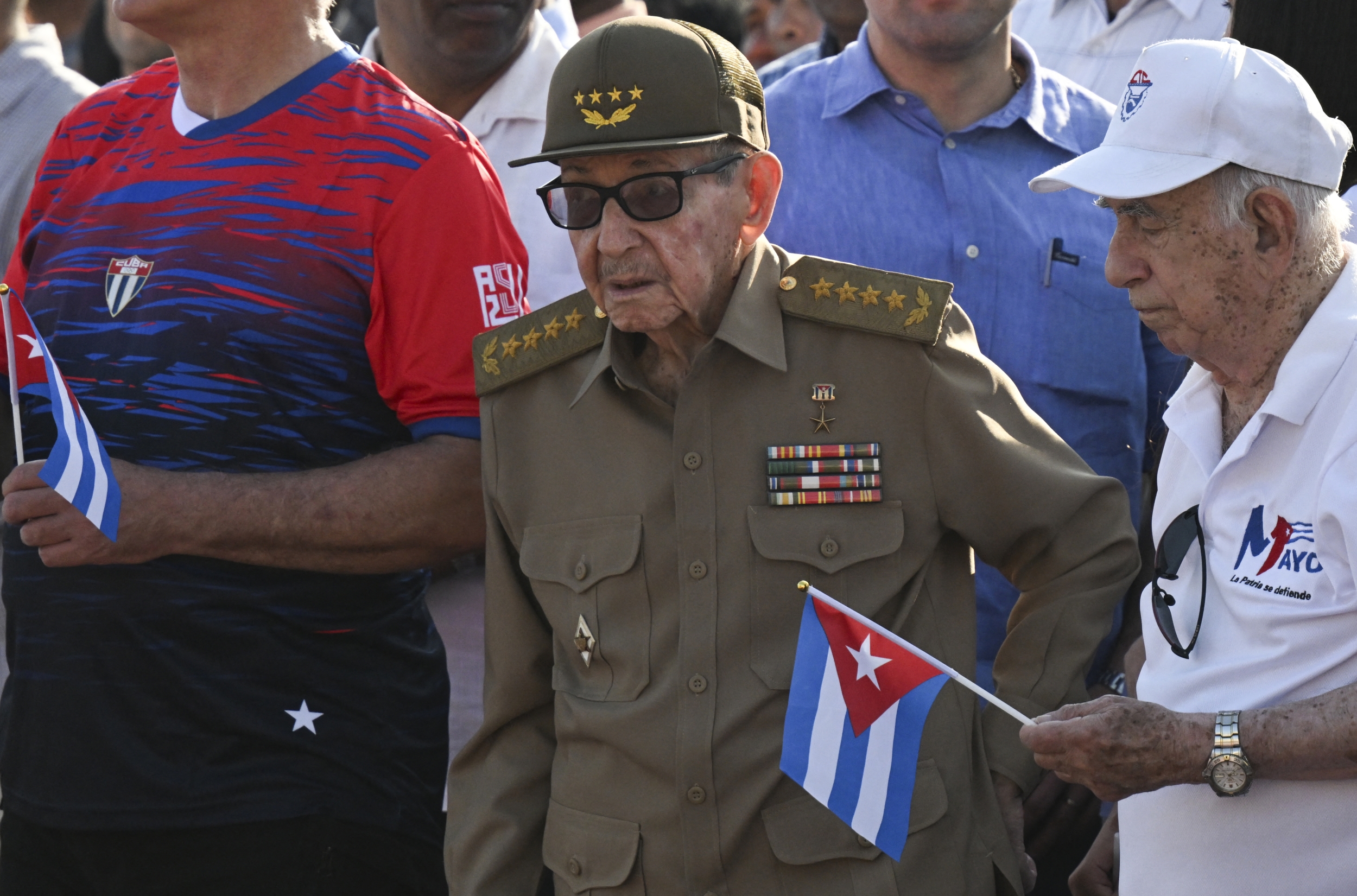
by YAMIL LAGE / AFP via Getty Images)
Raúl Castro Is Reportedly Stable After a Stroke, But Miami’s Cuban Exiles Remain Divided Over What Comes Next
Key Takeaways
- Unconfirmed reports say Cuba’s 95-year-old former president suffered a stroke and was hospitalized Tuesday; by Thursday, sources described his condition as stable, though Havana still hasn’t commented.
- In Miami’s Little Havana, the reaction splits by generation — older exiles voice raw relief at the prospect of his death, while younger Cuban Americans doubt it will change anything on the island.
- The health scare lands alongside a live U.S. murder indictment against Castro and stalled back-channel contact between Washington and his grandson.
What’s Confirmed, and What Isn’t
A single report has upended the week for Cuba-watchers on both sides of the Florida Straits. Diario Las Américas, a Miami-based Spanish-language paper, told readers Tuesday that former Cuban leader Raúl Castro, 95, had suffered a stroke and was on life support. Executive director Ileana Lavastida said the account came from a confidential contact close to Castro’s inner circle, and that the paper was told he had been intubated; the outlet also reported he’d been treated for colon cancer back in 2021.
The claim wasn’t confirmed by any official source, but it didn’t stay isolated to one newsroom either. Local 10’s Cuba analyst, Andy Gómez, said separate sources had told him the same thing. By Thursday, those same sources gave Gómez an update: Castro remains hospitalized but is now stable. A retired general who once ran Cuba’s Interior Ministry is reportedly in worse shape than Castro at the moment.
Cuba’s government has offered nothing on the record either way. State television skipped the subject on its nightly newscast and on the program “Mesa Redonda” this week, and no statement has come out of Havana as of this writing. Castro was last seen in public on Aug. 13, standing beside President Miguel Díaz-Canel at Havana’s Karl Marx Theater for a gala marking what would have been his brother Fidel’s 100th birthday — an appearance independently documented by multiple outlets, including Cuban state media itself.
Catharsis and Rage Outside Versailles
None of the uncertainty softened the mood at Versailles, the Little Havana restaurant where exiles poured into the streets when Fidel Castro died in 2016. Hector Gonzalez, whose father was jailed after the revolution, put it bluntly to CBS News Miami: “I wish he was dead.” He said Castro’s government took everything from his parents and sees this moment as possibly the last chance for real change — “if it doesn’t change under Trump, I don’t think anybody else is going to do anything,” he told the outlet.
Not everyone shared his optimism. At the restaurant’s coffee window, Alfredo Robert offered Local 10 a far more resigned take on what a Castro death would actually mean: “The more things change, the more they remain the same,” he said, adding that he still has family on the island and doubts they’ll see any benefit from it.
That tension — raw satisfaction at the idea of Castro’s death, paired with doubt that it changes anything — ran through nearly every conversation reporters captured this week. One Miami resident said the news would carry heavy emotional weight but questioned whether it amounts to real regime change at this point. Another argued that nothing shifts politically because Castro’s family and allies remain woven through every layer of Cuba’s power structure.
A Generational Rift That Predates This Week
The split isn’t new. FIU’s 2020 Cuba Poll found roughly three-quarters of Cuban Americans backed hardline, pressure-based policy toward Havana — with only two groups breaking from that consensus: people not born in Cuba, and the poll’s oldest respondents, those 76 and up. That fault line has been tracked by FIU researchers since the early 1990s, and the 2024 edition of the same poll describes the community’s overall posture as one of continued, not softening, hardline sentiment.
The math matters for South Florida specifically. More than 1.2 million Cuban Americans live in Miami-Dade County — over half of all Cuban-born immigrants residing anywhere in the U.S., though a considerably smaller slice of the roughly 3 million Americans nationwide who trace their roots to the island. That concentration is why news out of Havana lands hardest here. Older exiles who fled the revolution, or lost relatives to it, tend to treat Castro’s death as a long-delayed reckoning; younger, U.S.-born members of the diaspora more often see it as symbolic, with the island’s economic collapse standing as the bigger, unresolved story.
Washington’s Parallel Track: An Indictment, and Talks at a Standstill
The health reports surface alongside an active U.S. legal case. A Miami grand jury indicted Castro this spring over the 1996 downing of two unarmed Brothers to the Rescue planes that killed four men over international waters; the Justice Department unsealed the murder and conspiracy charges in May. Florida’s attorney general had reopened a related state investigation back in March, working alongside federal prosecutors in the Southern District. A Miami courtroom appearance already looked unlikely before this week; his reported condition only lengthens those odds.
On a separate track, informal contact between Castro’s grandson, Raúl Guillermo Rodríguez Castro, and Trump administration officials over a possible economic opening has hit a wall — CBS News Miami reports those discussions are “currently stalled.” What this community wants from Washington if Castro dies breaks down along the same generational line that shapes everything else here: sustained pressure and legal accountability for some, loosened trade, travel and remittance rules for others.
© {{Year}} Latin Times. All rights reserved. Do not reproduce without permission.