Pleas for peace as South Sudan marks 15 years since independence
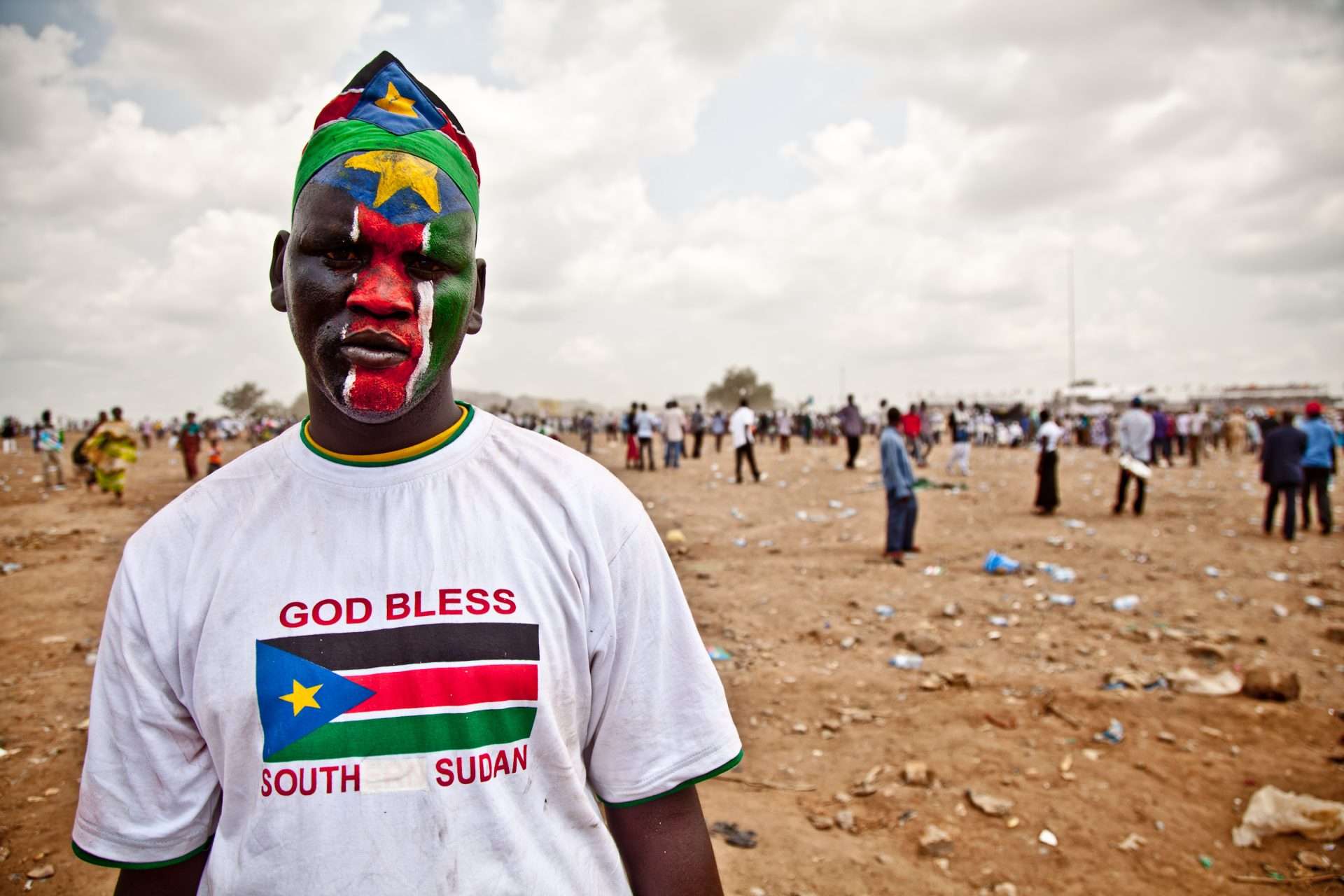

South Sudan celebrated its independence from Sudan on 9 July 2011, after a referendum had overwhelmingly voted for the secession of the region.
Tim Freccia / Enough Project
Bishop Eduardo Hiiboro Kussala paid tribute to those who sacrificed their lives to gain South Sudan’s independence, but said such freedom is only valuable if the dignity of the human person is respected.
Catholic bishops appealed for peace in South Sudan as it marked its fifteenth independence day last week.
The Bishop of Bentiu Christian Carlassare MCCJ called for peace, dialogue and reconciliation in Warrap State, where deadly violence has persisted in recent months.
The Italian-born missionary bishop said the violence had claimed lives, injured many people and spread fear among families in the state in the Bahr el-Ghazal region of northwestern South Sudan.
He said that Warrap is blessed with a rich Catholic heritage and vibrant faith, but its three counties of Tonj North, Tonj East and Tonj South had become increasingly insecure.
“For this reason, we appeal to everyone … to reject violence, resist revenge, protect every human life, and choose dialogue and reconciliation,” said Carlassare in message of the priests and religious of the Diocese of Rumbek, where he is apostolic administrator. “[Our] faith must bear fruit in our daily lives.”
Meanwhile, Bishop Eduardo Hiiboro Kussala of of Tombura-Yambio, in the south of the country, asked God to “heal the wounds of war, remove hatred from our hearts and make South Sudan a nation where justice flourishes and peace endure”.
He paid tribute to those who sacrificed their lives to gain South Sudan’s independence, but said such freedom is only valuable if the dignity of the human person is respected.
“Lord, bless our nation with unity, justice, and reconciliation. Teach us to respect the sacredness of every human life from conception to natural death,” the bishop prayed.
South Sudan celebrated its independence from Sudan on 9 July 2011, making it the world’s youngest nation. In January that year, a referendum had overwhelmingly voted for the secession of the region, which has a higher proportion of Christians and followers of African traditional religions than the predominantly Islamic and Arabised north. Before then, the country had suffered a bloody 21-year civil war.
However, South Sudan has remained unstable since independence, with clashes involving tribal militias, armed groups and government forces occurring frequently.
An intense power struggle between President Salva Kiir, an ethnic Dinka, and Vice President Riek Machar, an ethnic Nuer, fractured the nation. Kiir dismissed Machar after accusing him of trying to foment a coup, polarising the political environment and dividing the military along ethnic lines.
Peace efforts included the famous meeting with Pope Francis in April 2019, during which he kissed the feet of the two political rivals.
“I am asking you as a brother to stay in peace. I am asking you with my heart, let us go forward,” the then-82-year-old pontiff said after he performed the gesture. Francis also visited the country on an “ecumenical peace pilgrimage” in 2023 with the Archbishop of Canterbury and the Moderator of the General Assembly of the Church of Scotland.
Violence has persisted and increased in recent months as the country prepares for general elections in December.
In one of the latest incidents, more than 30 people were killed in clashes in Tonj South County, while over 100 others sustained gunshot wounds ahead of Independence Day, according to local reports.
Carlassare said that while violence deprived communities of the opportunity to worship, learn and grow together as one family of God, pastors in the region refused to surrender to despair.
“We believe that reconciliation is stronger than revenge, dialogue stronger than violence, and hope stronger than fear,” he said, urging people to renew their commitment “to build the South Sudan that so many dreamed of: a nation where every child can grow without fear, every family can live in safety, and every community becomes a home of justice, solidarity and peace”.
Pope Francis in Africa – six days for peace
‘Bountiful’ South Sudan can only feed its people in peace, say bishops
Stay updated — add us as a preferred news source on Google: