

Papua New Guinea signs K26m deal with TechnologyOne
The Government of Papua New Guinea has signed a three-year, K26 million agreement with TechnologyOne following the completion of the country’s nationwide Integrated Financial Management System rollout.
The system now extends across all 22 provinces, linking 43 national agencies, 89 districts and more than 300 local-level governments through a single platform. The new agreement covers system support, maintenance, optimisation, cybersecurity, cloud infrastructure and staff development.
The arrangement marks the next stage of Papua New Guinea’s push to digitise public financial administration. Officials said the rollout had reached all national departments and most provincial and local entities. It also expands the system beyond core financial management into revenue collection, project tracking and artificial intelligence tools for public servants.
According to government-released details, the next phase will introduce TechnologyOne Plus, an AI-based system that lets staff interact with financial records using plain language and voice requests. It will also add Enterprise Cash Receipting, intended to unify receipting systems and give the government a live view of income collection, and Project Lifecycle Management, a module for monitoring infrastructure and capital spending.
Papua New Guinea’s Department of Finance and Treasury has led the programme, which officials described as a shift from deployment to longer-term operation. The system has integrated 20 of the country’s 22 Provincial Health Authorities, 89 of 91 districts and 313 of 347 local-level governments, according to the administration.
Officials linked the latest contract to a broader drive for tighter control of public money, particularly in a geographically dispersed state where financial reporting and payment processes have often been fragmented. The digital network is intended to give central and regional authorities more direct visibility over spending and transactions.
Samuel Penias, Secretary for Finance, linked the contract to broader governance goals.
“This K26 million contract is not just an investment in software; it is a profound commitment to the transparency, accountability, and financial sovereignty of our nation,” said Samuel Penias, Secretary for Finance, Government of Papua New Guinea.
Penias said the next phase would focus on both resilience and capacity-building.
“By securing this three-year partnership with TechnologyOne, we ensure that our digital financial backbone remains resilient, highly secure, and equipped for future upgrades. As we shift our focus to strengthening human and institutional capacity across all levels of government, we are also actively expanding the platform’s capabilities to include advanced artificial intelligence, enhanced revenue receipting, and rigid capital investment monitoring,” said Penias.
Long Partnership
The relationship between Papua New Guinea and TechnologyOne began in 2005. Early work focused on adapting software to the country’s public accounting framework, while more recent efforts have centred on cloud migration, electronic payments and links with other institutions involved in tax, banking and monetary oversight.
The current system is being connected through application programming interfaces and data warehousing to agencies including the Internal Revenue Commission, Bank South Pacific and the Bank of Papua New Guinea. The aim is to support more consistent data flows across revenue collection, payments and broader financial reporting.
Electronic funds transfer has also been introduced through the platform in partnership with banking institutions to reduce reliance on paper cheques and shorten payment times. The change is part of a wider move to digitise routine financial transactions across national and provincial administration.
Revenue Focus
One of the main additions under the agreement is Enterprise Cash Receipting. The government said it would consolidate separate receipting processes into a single system and improve visibility of debt and revenue. It would also support multiple payment methods, including cash, cards, agency payments and online channels.
Officials said the receipting changes build on tax administration reforms already under way. They pointed to the automation of GST collection and remittance under a partnership with the Internal Revenue Commission, which they said had handled more than K1 billion in GST revenue since 2021.
The Project Lifecycle Management component is intended to provide a single record for government capital projects and contracts. According to the government, the module will be used to track project planning, budgets, forecasts, risks and delivery against financial allocations.
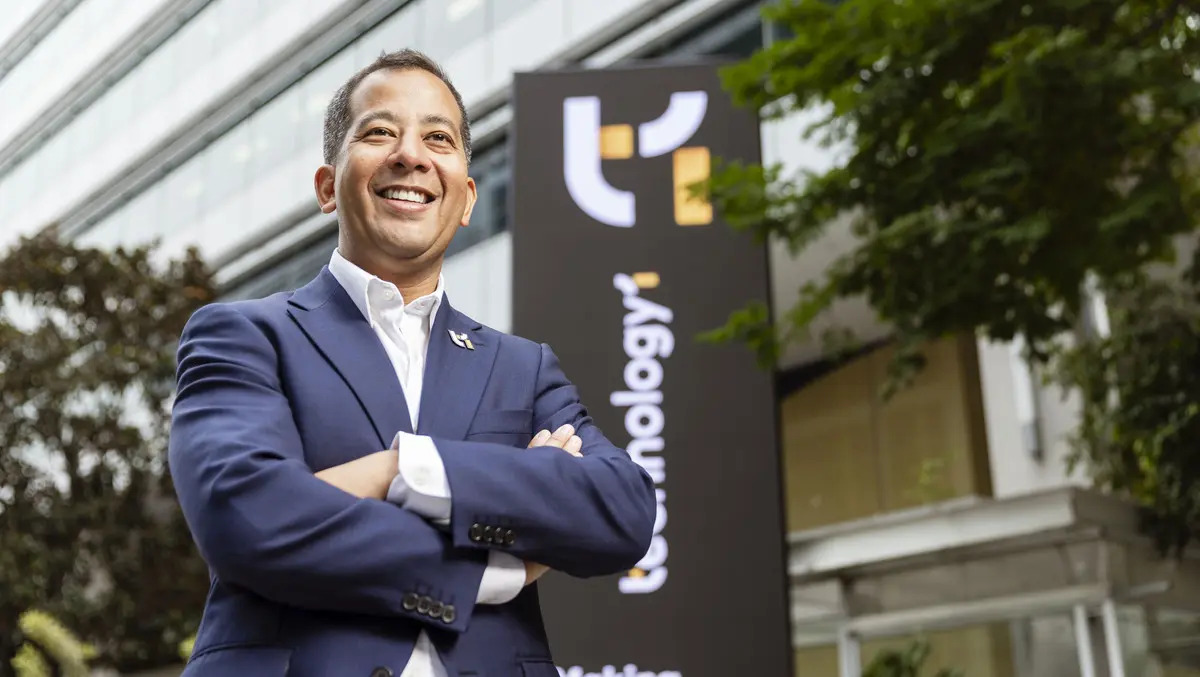
TechnologyOne Chief Executive Officer Ed Chung said the extension reflected the length of the company’s involvement in Papua New Guinea’s public sector systems.
“We are proud to extend our 21-year partnership and support the Government of Papua New Guinea in enhancing its digital capabilities to deliver quality, crucial infrastructure to its citizens. Rolling out secure, modern and resilient software with sufficient capacity is critical to PNG’s economic development and future resilience. It’s a project close to my heart, as my parents immigrated from PNG to Australia in 1977. Our software now supports more than 200 government departments and agencies managing over $500 billion in public funds. As the first enterprise software company in the world certified to ISO 42001, the international standard for AI governance, and IRAP-assessed to the PROTECTED level for Federal government use, we’re honoured to provide our Pacific customers with the highest standards of security, governance, and trust,” said Chung.
Credit: Source link