

Panel to inspect Iraq’s Jurf Al-Sakhar disputed land – Shafaq News
2026-08-15T16:37:15+00:00
Shafaq
News- Baghdad
Iraq’s
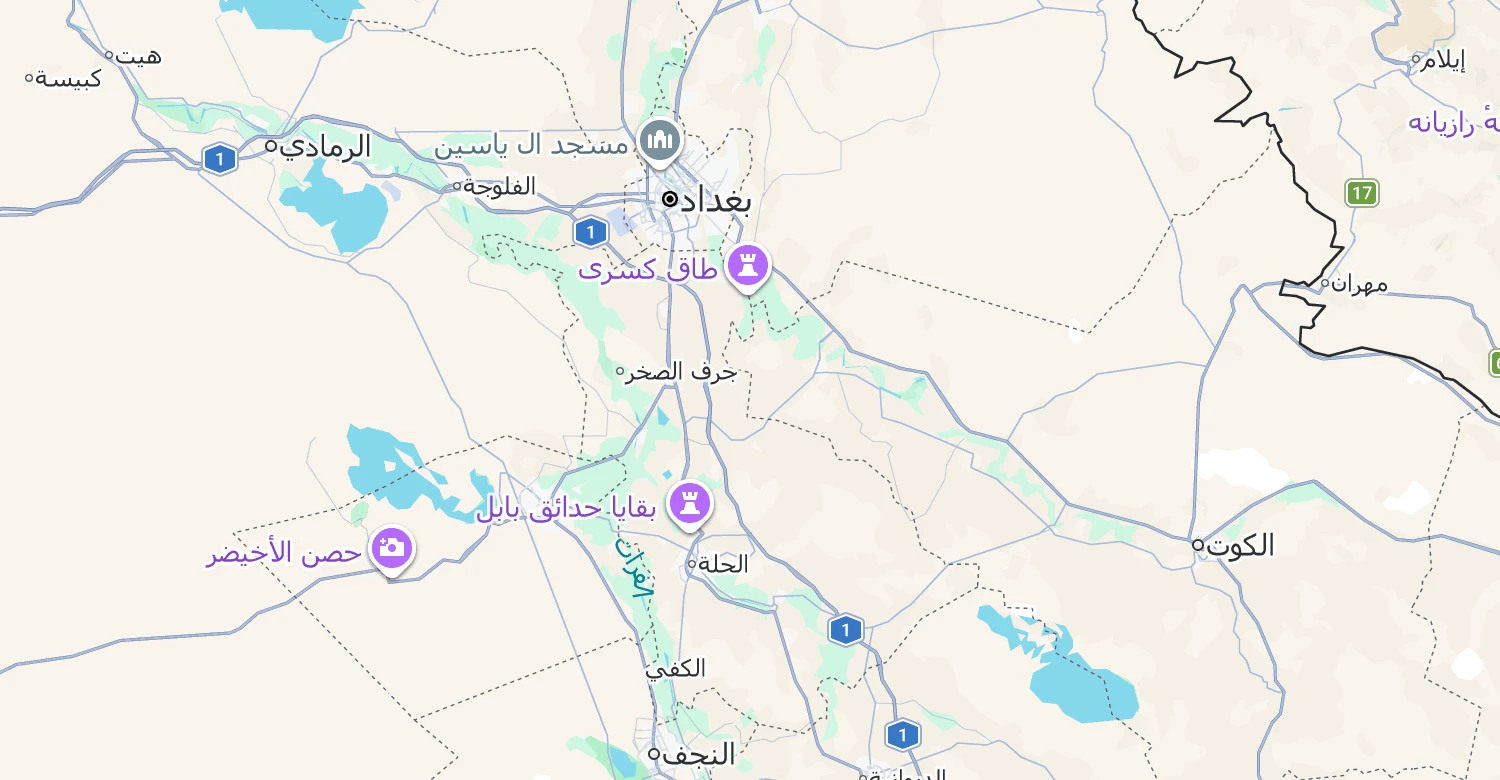
government will send a committee to Jurf al-Sakhar, north of Babil province, on
Sunday to review disputed land contracts and conditions in the area, with more
than 100,000 people still displaced since it was retaken from ISIS in 2014.
The
committee was formed on the orders of Prime Minister Ali al-Zaidi and includes
representatives from the agriculture, justice and interior ministries and the
Popular Mobilization Forces (PMF), AbdulRahman al-Jazairi, a senior member of
the National Oath (Qasam) Movement within the State of Law Coalition, told
Shafaq News on Saturday.
The
committee will first visit the area before reviewing agricultural contracts
known as “17 contracts.” These cover state-owned land leased to
farmers for periods ranging from five to 30 years in return for annual
payments, with the possibility of renewal when the contracts expire.
“Babil’s
governor has asked the Agriculture Ministry to renew expired contracts that
remain eligible, along with contracts covering land under the ministry’s authority,”
al-Jazairi added, stressing that the committee’s work does not currently
include any changes to security arrangements in Jurf al-Sakhar.
He
further maintained that security plans and deployments will also remain
unchanged, including the presence of Iran-backed Hezbollah Brigades, which he
described as the force holding the area. “Jurf al-Sakhar is an important
pillar of security stability.”
Turning
to agricultural activity, al-Jazairi cited the village of al-Saeedat, where
valid contracts remain in force and farmers continue to work without
interference. Much of the dispute, he noted, centers on contracts that expired
years ago and now require action by the Agriculture Ministry, which he
indicated ready to handle the cases within its legal authority.
Read more: Jurf Al-Sakhar: A decade on, Iraq’s displaced still barred from return
Jurf
al-Sakhar, also known as Jurf al-Nasr, occupies a strategic position linking
central Iraq with its western and southern regions. Iraqi forces, along with
the PMF, retook the area from ISIS in 2014, but thousands of residents have
remained displaced. Previous government efforts to facilitate their return have
also produced limited results, with security authorities citing mines,
unexploded ordnance and other security concerns.
The issue
returned to the forefront in recent weeks after former lawmaker and Janabi
tribal sheikh Adnan al-Janabi alleged that thousands of homes had been
demolished and residents’ property damaged. The Babil Provincial Council and
governor’s office filed a lawsuit against him, accusing him of making false
statements that could “inflame sectarian tensions.”
On
Saturday, demonstrators gathered in Al-Musayyib district to reject the
“sectarian rhetoric” and demand that the PMF remain in Jurf al-Nasr.
Muhannad
al-Anzi, head of the Babil Provincial Council’s Security Committee, placed
responsibility for returning displaced residents with the federal government
but pointed to tens of thousands of mines and remnants of war that continue to
complicate their return.
Tribal
figure Sheikh Muwafaq al-Amiri rejected descriptions of the forces that
recaptured the district as “occupiers,” while demonstrators called
for mines and unexploded ordnance to be cleared and residents to return under
security arrangements.