

Over 300 migrants rescued off southern Crete
More than 300 people were rescued off Crete over the past two days after setting off from eastern Libya, highlighting a continued shift toward the longer and riskier southern Mediterranean route as arrivals in Greece top 22,000 this year.
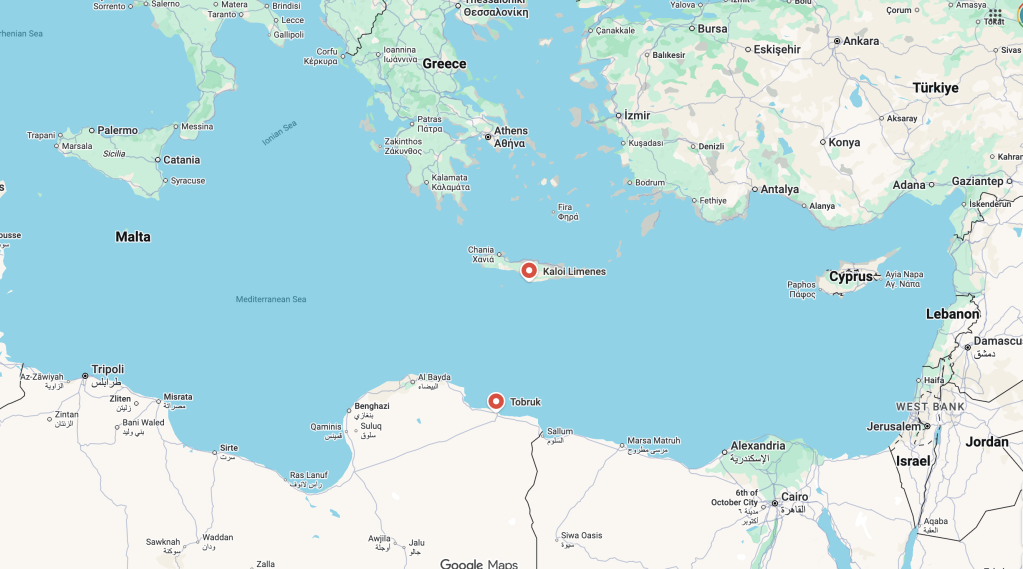
On Tuesday (August 25), Greek authorities rescued migrants off the southern coast of Crete after they arrived in small boats from north Africa. The Greek newspaper Kathimerini reported 124 people were picked up in waters south of the port of Kaloi Limenes, while AFP put the number from Tuesday’s operation at 84.
In the early hours of Wednesday (August 26), Greek media reported that a further 218 migrants had been detected and brought to safety off Crete’s southern coast after three boats were spotted by a Frontex drone and other vessels.
Greek media said this meant between 302 and 342 people had been rescued off the island within two days, with different outlets reporting slightly different totals depending on which operations they counted.
The rescues underline how the long sea passage from eastern Libya to southern Crete has become the main maritime route into Greece for people from the Middle East, the Indian subcontinent and Africa hoping to reach the EU.
So far in 2026, around 11,500 people have completed the Libya-Greece crossing, while total irregular arrivals in the country — including journeys from the Turkish coast and overland entries via Turkey — have surpassed 22,000 according to the UN refugee agency UNHCR. Last year, nearly 49,000 undocumented migrants entered Greece, a figure that remains far below the 2015 peak, when close to one million people reached Europe, mostly via Greece’s eastern Aegean islands.
The Greek Migration Ministry said on Sunday that migrants rescued off Crete would be transferred to reception centers on Lesbos and Samos for identification, screening and asylum processing, in a move aimed at easing pressure on the island.
Read Also
Dozens of migrants reach Greece in 24 hours
A familiar pattern on Crete’s southern shore
Tuesday’s rescue follows repeated spikes in arrivals over the past week. In the 48 hours to 14 August, 327 migrants were picked up off southern Crete and the nearby islet of Gavdos, several of the operations supported by Frontex reconnaissance aircraft. On 20-21 August alone, more than 200 people reached or were rescued near Crete within 24 hours, with some estimates closer to 300.
Most of the boats depart from the Tobruk area in eastern Libya, a journey of 300-360 kilometers that typically takes 36 hours or more in overcrowded, often unseaworthy craft. Local reports estimate that around 250 people have died on this route so far this year.
The Tobruk-Crete corridor has effectively replaced the shorter Turkey-Aegean route as Greece’s main maritime gateway. Over 10,000-12,000 people have reached Crete from Libya since January 2026, representing roughly 50 percent of all irregular entries to Greece this year. Total irregular arrivals to Greece (sea and land, from both Libya and Turkey) exceed 22,000 for 2026, compared with almost 49,000 in 2025 and close to one million across Europe in 2015.
Although overall sea arrivals to Greece are down by about a third compared with the same period in 2025, the decline is concentrated on the Turkey corridor. Crossings from Libya have fallen only slightly, leaving the Libya-Crete route as the busier of the two.
Read Also
Crete: Migrant minors arrested on smuggling charges as Greece hardens asylum policy
Policy context: enforcement, externalization and third‑country deals
The repeated rescues come as Athens and Brussels pursue a more restrictive migration agenda. In mid‑August, Greek media reported that four South Sudanese minors, aged 14-17, were arrested on suspicion of piloting four boats carrying 229 migrants from Tobruk to Crete. Two additional South Sudanese men were detained for allegedly steering two further boats with 132 people on board. All six face charges including endangering passengers and facilitating illegal entry.
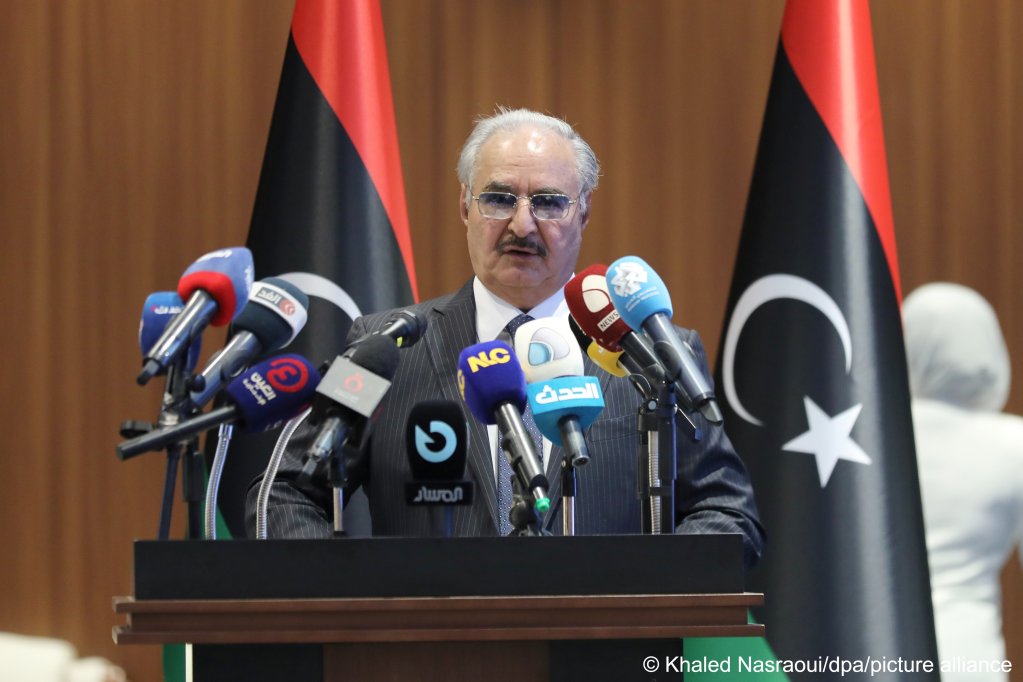
At EU level, plans are advancing to establish a Maritime Rescue Coordination Centre in Benghazi, in eastern Libya, under Operation IRINI, with funding from Italy and Malta. The framework includes training and equipping forces aligned with eastern Libyan strongman Khalifa Haftar, despite documented abuses and trafficking links, a move critics say risks making the EU complicit in rights violations and vulnerable to political blackmail.
country’s development and reconstruction. | Photo: Khaled Nasraoui/dpa/picture alliance
In parallel, Athens is negotiating with Uganda to host a “return hub” where rejected asylum seekers from Greece and other participating EU states could be transferred while awaiting return or onward resettlement, a scheme rights groups describe as “legitimized pushbacks”.
For Crete, the practical effect is sustained pressure on reception capacity and local services, with residents and officials warning that each summer risks becoming “another crisis situation” unless reception, processing and solidarity mechanisms are strengthened.
This drive to externalise asylum is becoming increasingly normalized. The proposal appears similar in scope to a memorandum of understanding signed last year between Kampala and the Dutch government, as EU states seek to circumvent their legal asylum obligations by outsourcing processing to countries where few safeguards exist.
Read Also
Greece: Hundreds of migrants rescued near Crete
With AFP and dpa
Credit: Source link