

Opinion: What to Make of Witkoff and Kushner’s Return to Russia-Ukraine Peace Talks
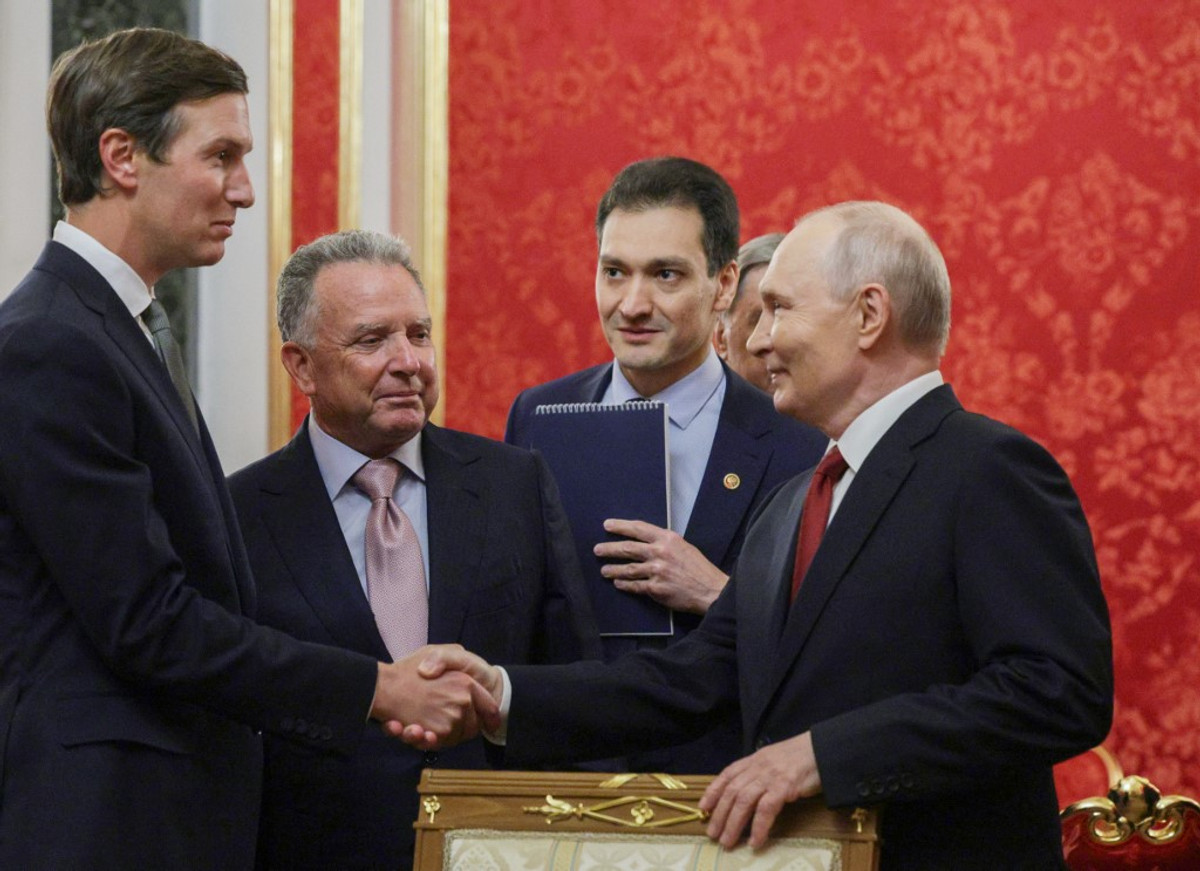
After a six-month layoff, US Special Envoy Steve Witkoff and Jared Kushner have rejoined the Russia-Ukraine negotiating process. They made another trip to Russia – the eighth for Witkoff since February 2025 – as well as their first trip to Kyiv since taking on their mediation roles for the White House. The visit has generated much speculation as to potential progress and what may come next.
The White House may be keen to achieve something ahead of the November midterm elections in the United States, but Washington officials face steep challenges unless they can bring a dramatically new approach to the process. The meetings that took place over the weekend offered no indication that they were doing so, leaving a situation where the Kremlin will likely try to exploit US urgency while maintaining a maximalist approach.
JOIN US ON TELEGRAM
Follow our coverage of the war on the @Kyivpost_official.
Meanwhile, Kyiv will do what it can to support US overtures in hopes of securing meaningful progress in the peace process as well as material aid in the face of continued Russian aggression.
Catching up on negotiations
More than half a year has passed since the hiatus in peace talks began. The last trilateral Russia-Ukraine-US negotiation took place in February 2026. Then, there was only a brief sequence of bilateral meetings in Miami before Witkoff and Kushner detached altogether to focus on the US-Israel-Iran War and Gaza.
Much has happened since.
For the Ukraine side, the main change has been success with its long-range strikes and in holding the battle line. The ability to reach well into opposing territory has imposed significant costs upon Russia, including strikes against oil refineries and major logistics hubs. Importantly, Ukrainian forces have also slowed Russian advances, with Foreign Minister Andrii Sybiha indicating that Russia has yet to maintain 20% control of the Donetsk region – the main target of Kremlin negotiating demands.
Other Topics of Interest
Ukraine’s Prosecutor General Kravchenko Resigns Over Corruption Accusations
Kravchenko submitted his resignation after a widening anti-corruption investigation at the Prosecutor General’s Office.
Meanwhile, Russia has lashed out in response. This has meant increased drone and missile strikes against Ukrainian civilian infrastructure and residential areas. These continued despite this weekend’s negotiations, with Vladimir Putin rejecting the Ukrainian proposal for a broader three-day ceasefire.
But the Kremlin has also escalated horizontally with small-scale strikes against targets in NATO countries. The recent drone attack at Leipzig Airport has received significant international attention, but NATO has reported similar incidents in Slovakia, Poland, Estonia, Latvia, and Lithuania. The Kremlin has also been intensifying its rhetoric toward other NATO countries, leading to wider concerns that Russia may seek to disrupt alliance unity as it initiates a new offensive against Ukraine this autumn.
Outcomes of the meetings
Overall, the engagements in Moscow and Kyiv represented a soft reset of the negotiating process. In both visits, Witkoff and Kushner discussed peace and economic proposals, exploring how to get the negotiations back on track. Neither set of meetings produced any real breakthroughs.
Importantly, there was only one deliverable from this round of negotiations with the Kremlin, which was meant to be a “no shoot” arrangement. In other words, the two sides were meant to honor a limited ceasefire confined to strikes against targets where the negotiations would be taking place.
While Putin acknowledged a reduction in overall attacks from Ukraine, Russian forces proceeded to strike multiple locations in Kyiv, including Kyiv and Boryspil international airports that could have been entry points for Witkoff and Kushner in what would have been the first cross-border passenger flight since the full-scale invasion began in 2022. Instead, the pair traveled by train via Poland.
One notable difference in this series of meetings was the presence of Gene Lange, the acting sanctions policy chief at the US Treasury Department. His presence was not altogether unusual considering Treasury Secretary Scott Bessent’s attendance in past meetings related to the Russia-Ukraine peace process, but what remains unclear is if Lange was there to offer incentives, present potential costs, or a mix of both.
The different importance of timing
While there is little indication from any party that they expect a near-term conclusion of the war, the timing of this outreach is nevertheless important for each of the governments involved.
For Russia, the talks come as the Kremlin has been making preparations for a major fall offensive. This includes a domestic mobilization effort and outreach to its military partner in North Korea for additional support. Ukraine’s long range attacks have demonstrated an ability to frustrate that mobilization process, and Moscow may seek to use the current negotiating push to offer just enough buffer to enable a future offensive.
For Ukraine, the timing of negotiations is important to try to derail Russia’s fall campaign before it happens. This means boosting partners’ support for Ukraine’s defense, maintaining military and economic pressure on Russia, and highlighting any intelligence on Russian forces’ preparations for a major offensive. Ukraine’s partners can help in these regards.
For the United States, it is highly likely that the White House wants substantive progress before the November midterms to boost election prospects for Donald Trump-backed candidates. The White House’s urgency can be a boon or a bane for the peace process, depending on whether it abandons its existing strategy of “carrots for Moscow, sticks for Kyiv.” All it would take is reversing that approach and strongly backing Ukraine while resolutely pressuring Russia. That could help disrupt Russia’s fall offensive and open a window for halting fighting at the current battle line.
What to watch going forward
President Zelensky has already indicated that the next step will be follow-on meetings with the US and European partners. These will be necessary for securing additional aid for Ukraine and potentially coming to agreement on further cost-imposing measures for Russia. It could also be a mechanism for building out a more comprehensive peace proposal that includes functional mechanisms for oversight and enforcement, as well as Coalition of the Willing participation.
Still, whatever may happen in that track of discussions, the three most important questions for the peace process are this:
First, when is the next round of trilateral engagements?
This answer offers indications of both the timeline and relative commitments to the negotiating process. If the Kremlin delays follow-on engagements, it will serve as evidence of stall tactics.
More broadly, the answer to that question is important because there are limits to shuttle diplomacy in a negotiation of this complexity. Achieving a durable agreement will require the parties to be able to engage each other during the implementation phase, so it is necessary for them to demonstrate that ability in a sustained and meaningful way during the negotiation phase.
Second, what was the proposal that the US envoys tabled in their recent meetings? More specifically, was it a recycling of the old 20-point peace proposal produced last December or something new?
Early indications suggest that it is an updated version of the last proposal, which will be based on outdated facts and assumptions.
The restart of talks offers an opportunity to pursue a more comprehensive agreement. The Kremlin will likely balk at it, but clarity, depth, and specificity are critical for mitigating bad faith behaviors in the peace process.
Finally, will the US finally adjust its negotiating strategy?
The Kremlin has demonstrated time and again that the White House’s existing approach only hardens its maximalist negotiating strategy. Rather than incentivizing peace, it is necessary to disincentivize aggression, and if Washington does not adapt based on the evidence that Putin has provided, then this negotiating effort will only turn out like the last.
Ultimately, whether this past weekend’s engagements turn out to be more ceremony than substance is not yet determined. Rather, that is contingent on the next steps; namely, the next aid package to Ukraine, the next sanctions regime on Russia, and the next round of substantive negotiations that focuses on a comprehensive draft agreement rather than a list of bullet point positions.
The views expressed in this opinion article are the author’s and not necessarily those of Kyiv Post.