

Online campaign supporting female circumcision emerges in Mali
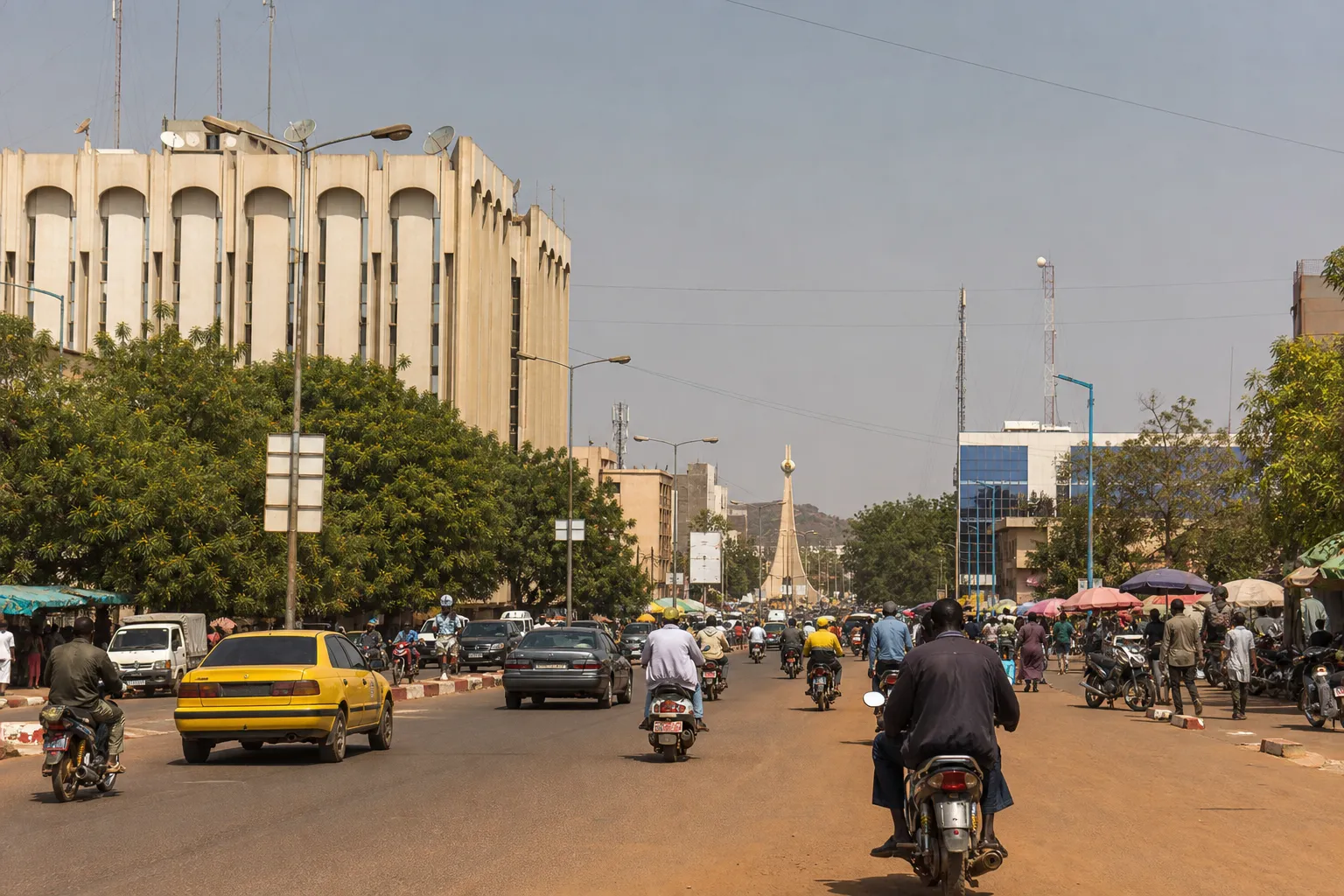
In August, a coordinated social media campaign supporting female circumcision emerged in Mali — a practice that is still not prohibited by law in the country. Anonymous accounts shared images of men against the backdrop of the national colors, presenting the practice as a way to protect girls and secure their future, Premium Times Nigeria reports.
The campaign began a few days after a national non-governmental organization put up posters in Bamako condemning female circumcision. According to the outlet, journalists and Malian feminist organizations linked a significant portion of the materials from supporters of the practice to accounts that distributed posters created using artificial intelligence. This makes it difficult to assess the campaign’s real scale.
Prevalence of the practice
According to Mali’s latest Demographic and Health Survey, 89% of women aged 15 to 49 have undergone female circumcision — one of the highest rates in the world. Among girls aged 0 to 14, when the procedure is usually performed, the figure is 70%, compared with 74% in 2018.
More current news is available on the UA.News Telegram channel Telegram.
The practice is often performed without anesthesia; it can cause severe pain, bleeding, infections, and psychological trauma. The article lists chronic pain, problems with urination and menstruation, and a higher risk of complicated childbirth among the long-term consequences. A 2023 study estimated the number of excess deaths associated with female circumcision at about 44,000 annually in 15 African countries, including Mali.
Call for criminalization
Women’s rights organizations in Mali have opposed the practice for decades. The country’s 2024 Criminal Code condemns violence in general but does not explicitly mention female circumcision. On August 26, Mali’s National Human Rights Commission called on the authorities to criminalize the practice.
Supporters of female circumcision call it a religious requirement or a tradition that should be preserved; the article notes that these claims are disputed. Human rights advocates, medical professionals, and other public figures spoke out against the online campaign. A response to it also emerged in Côte d’Ivoire and Togo, while representatives of the Malian and West African diaspora organized protests against female circumcision in Paris, Montreal, and other cities.
Download our app

Credit: Source link