

Off Papua New Guinea, robot finds hot vent bubbling beside a cool gas seep
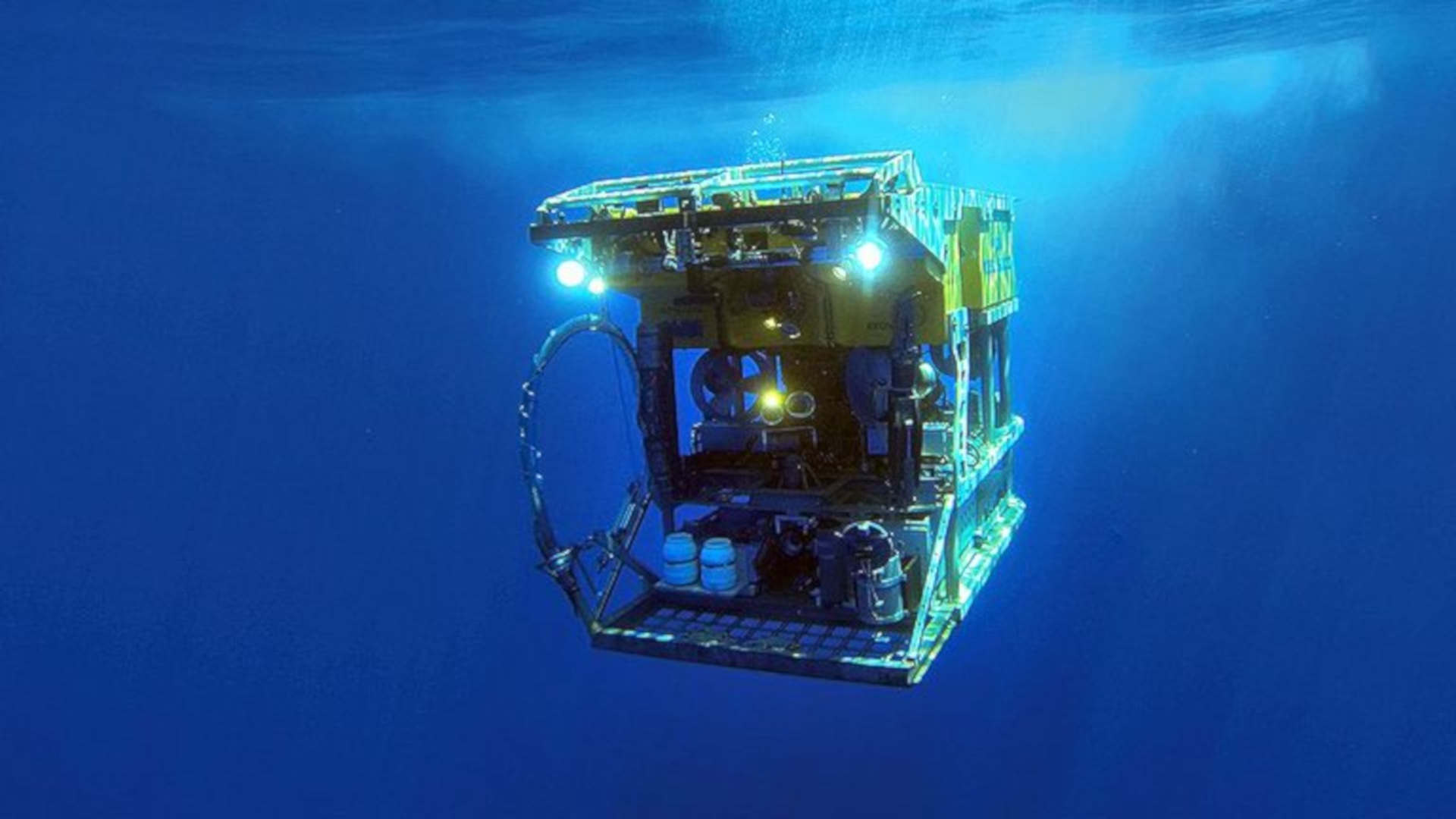
Photo Credit: Geomar Helmholtz Centre for Ocean Research Kiel
A remotely operated robot descending more than 4,200 feet beneath the sea off Papua New Guinea uncovered something scientists had never documented before: a hot hydrothermal vent just centimeters from a methane seep.
Here’s what to know
The unusual deep-sea field, discovered in 2025 near Lihir Island, could change how scientists understand underwater volcanic systems and the life they support, according to Discover Wildlife.
The field was identified when the ROV Kiel 6000 descended about 4,265 feet (1,300 meters) to a seamount near Lihir. Expeditions had pointed to possible hydrothermal activity in the region, but none had managed to find the site.
“It was a real surprise, especially for those of us who had worked in this area multiple times,” said Dr. Philipp Brandl, a marine geologist at GEOMAR Helmholtz Centre for Ocean Research Kiel and chief scientist on the expedition, per Discover Wildlife.
Hot hydrothermal vents and methane seeps are usually documented in separate seafloor settings, making the combination of a hot vent next to a cool gas seep remarkable.
The team thinks the volcanic seamount may be the reason these two different systems appear together. Their findings were published in Scientific Reports.
More background
The researchers, together with local observer Stanis Konabe of the University of Papua New Guinea, named the site Karambusel, according to Discover Wildlife. The name comes from the Tok Pisin word for mussel, reflecting the large number of mussels covering the field.
In addition to its geology, the site also stood out for its abundant marine life. Researchers reported rocks densely populated by mussels, tube worms, shrimp, and sea cucumbers.
Brandl said the team believes some of the animals living there may even be new to science.
What’s being done?
The most immediate step is documentation. Researchers also want to revisit Karambusel for more detailed biological work. Brandl has said that a closer look at the species could show how uncommon they are and how vulnerable the ecosystem might be.
The need for that work is made more pressing by nearby industry. According to Discover Wildlife, Lihir is home to the Ladolam gold mine, and the researchers warned that mine waste or future seafloor mining could put the newly identified field at risk.
“We have discovered an unexpected treasure trove of biodiversity in the Karambusel field that needs to be protected before economic interests destroy it,” Brandl concluded.
Get TCD’s free newsletters for easy tips, smart advice, and a chance to earn $5,000 toward home upgrades. To see more stories like this one, change your Google preferences here.

Credit: Source link