

No, Trump isn’t ‘paying’ Iran $24 billion to end the war
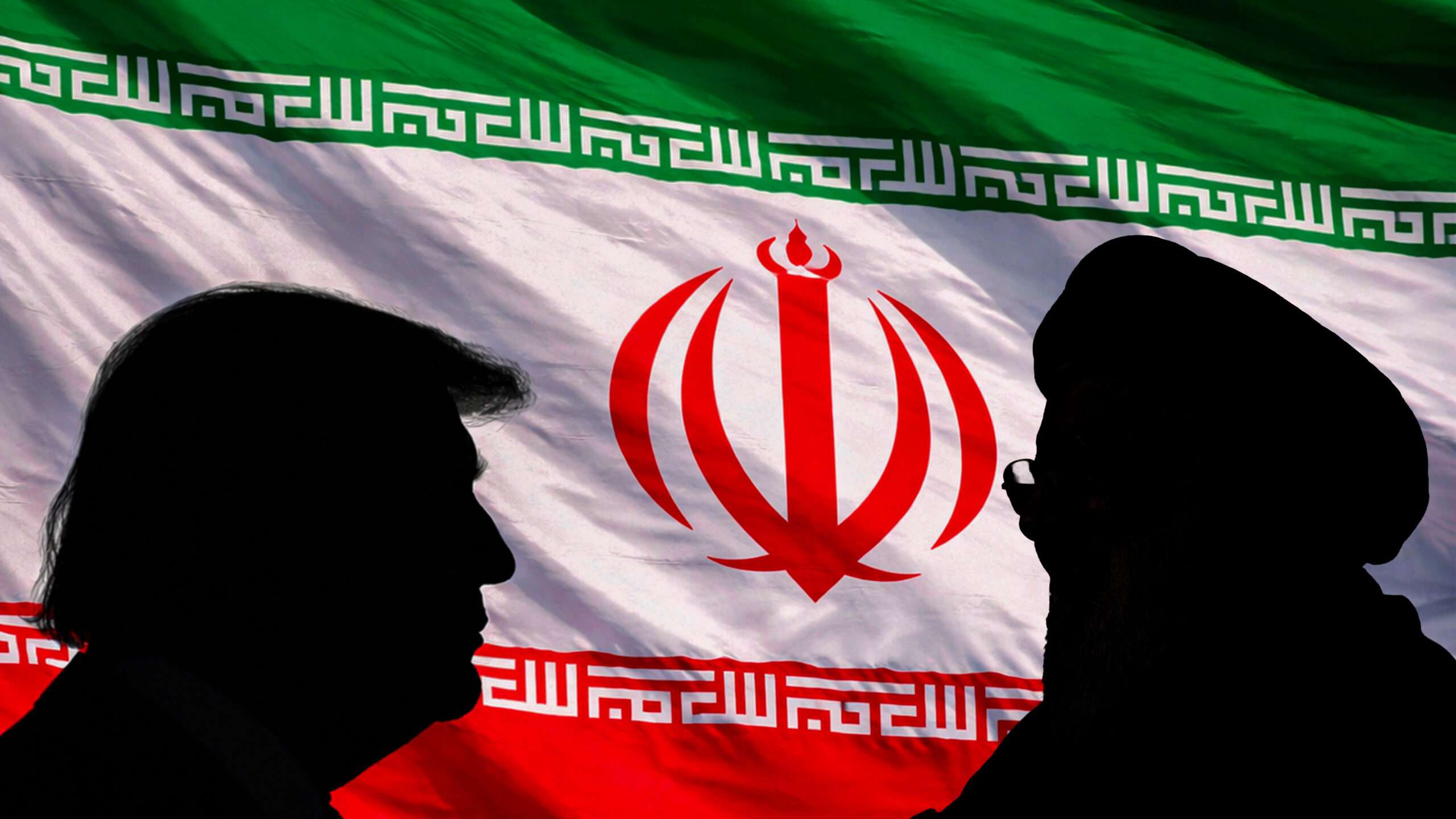
President Donald Trump’s memorandum of understanding to end the war in the Middle East is running into a familiar criticism. “We’re going to be releasing billions of dollars to this enemy,” Sen. Cory Booker (D–N.J.) told the BBC. Sen. Chris Murphy (D–Conn.) called the memorandum “a payment to Iran” in a speech to reporters. Trump’s former secretary of state, Mike Pompeo, accused Trump of trying to “pay the IRGC [Islamic Revolutionary Guard Corps] to build a WMD [Weapon of Mass Destruction] program and terrorize the world.”
It was, ironically, the same criticism that Trump had levied against Democratic outreach to Iran. “American taxpayer dollars helped fund [Hamas] attacks, which many reports are saying came from the Biden administration,” he said in 2023, speaking of a deal to unfreeze Iranian bank accounts in Qatar. Trump was also obsessed with the image of President Barack Obama giving “pallets of cash” to Iran. Then, as now, hawks are confusing and deceiving the public about what sanctions relief really is.
A copy of the memorandum of understanding leaked to Bloomberg and CNN promises to gradually lift the U.S. economic sanctions that ban doing business with Iran. Because most international trade is done in U.S. dollars, these sanctions have been especially devastating to Iran’s ability to export oil, to access its own money in foreign bank accounts, and to attract international investment, even from non-American businesses.
White House spokesman Steven Cheung denied the authenticity of the leaked memorandum without giving details. Nonetheless, Trump and Vice President J.D. Vance have confirmed the broad strokes of the deal in their public statements. The real agreement differs from the leaked text on a few non-sanctions-related details, reports Mohammad Ali Shabani, editor of Amwaj.media, a British news outlet that covers the Middle East.
Iran is “not getting a single dime of American money,” Vance says. In exchange for Iran reopening the Strait of Hormuz, the memorandum immediately lifts the U.S. military blockade of Iranian ports and waives sanctions on Iranian oil exports and the “banking, insurance, transportation, and the like” that the state-run oil industry needs, according to the leaked text.
The document promises that the two sides will work to trade “the fate of enriched [Iranian nuclear] material and the fate of all other mutually agreed nuclear-related issues” for “all types of sanctions currently facing the Islamic Republic of Iran.”
Two big numbers have been floating around: $24 billion and $300 billion. The first number, $24 billion, refers to the total value of Iranian money frozen in foreign bank accounts, most of which is revenue from oil sales that Iran was paid but never able to withdraw due to sanctions. The second number, $300 billion, refers to prospective private investments in Iran’s reconstruction.
The Trump administration has been recruiting private businesses to offer loans, credit lines, and direct investments in reconstruction as an incentive for Iran to finish a deal—since those offers can only work if sanctions are lifted. Reuters reported on Tuesday that the effort has so far secured $150 billion in commitments, and the memorandum promises to double that number. Vance suggested to CBS that the money is coming from oil-rich Arab countries. (Of course, talk is cheap; last year, Arab petrostates also promised Trump trillion-dollar investments that are unlikely to ever happen.)
It is ironic that something the U.S. had to extract from Venezuela by force—the ability of foreign businesses to invest in the country—is considered a U.S. concession to Iran. The same goes for oil waivers. Iran’s greatest point of leverage had been its ability to attack global energy supplies. Now it is asking for a role in refilling the world’s oil reserves.
Of course, the Iranian government is asking for sanctions relief because it will benefit, both from directly state-owned oil revenues and from the general improvement of the country’s economy. On the other hand, these benefits will make Iran more dependent on its new trading partners. Iran is less likely to bomb Arab oil fields when its reconstruction is being paid for with Arab oil money. In other words, “you only get the benefits of the bargain if you change your behavior,” as Vance told the Megyn Kelly Show.
As for Obama’s “pallets of cash,” those had nothing to do with sanctions relief. In January 2016, the Obama administration flew a plane carrying $1.7 billion to Iran, ostensibly to settle a court case over a trade dispute from the 1970s. The administration later admitted that the money was connected to negotiations to free American captives from Iran. The uproar over this apparent ransom payment got folded into the debate about Obama’s separate deal to lift sanctions in exchange for Iranian nuclear concessions.
Aside from the confusion about whether Iran is getting American taxpayer money, hawks have several honest, coherent reasons for opposing sanctions relief. Probably the largest reason is that they don’t want to give up leverage so easily. Hawks’ most common complaint about Obama’s deal was that it didn’t win concessions on other issues, such as Iran’s conflicts with Israel and Arab states. Max Meizlish, a senior fellow at the neoconservative Foundation for Defense of Democracies, similarly complained that Trump’s deal leaves out “Iran’s support for terrorism and its ballistic missile program.”
Another common slogan of hawks is that “money is fungible.” As Wall Street Journal editorial board member Elliot Kaufman warned, every extra dollar freed up for food and medicine allows the Iranian government to spend “its other funds on weapons.” In other words, they want U.S. policy to keep Iranians hungry and poor in order to destroy Iranian military strength. But many of these hawks can’t quite bring themselves to admit it. Kaufman, for example, has previously denied that sanctions are to blame for Iranians suffering from a poor economy.
That ties into another often-unspoken motivation for keeping sanctions: the belief that keeping Iranians poor makes them more likely to overthrow their government. Secretary of the Treasury Scott Bessent, for example, claimed that the January 2026 uprising in Iran was the “grand culmination” of U.S. sanctions policy. In a recent New York Post op-ed, two members of the Foundation for Defense of Democracies called sanctions relief a “lifeline” to the Islamic Republic’s “internal repression.”
Yet the first major uprising against the Islamic Republic, the Green Movement of 2009, came before Obama unleashed the brunt of U.S. sanctions against Iranian oil. Another wave of protests, from December 2017 to January 2018, came after Obama lifted those sanctions and before Trump reimposed them. Doves commonly argue that sanctions actually hurt the Iranian opposition. The disorganized masses of the hungry and desperate, they say, are less of a threat to Iran’s theocracy than an educated middle class tied to international trade.
Whether sanctions really help or hurt the opposition, sanctions relief means that the U.S. government is stepping out of its involvement in Iranian politics. Like the famous Baskin Robbins in Hanoi, a McDonald’s in Tehran would be a sign that the conflict is truly over. And that might be what bothers hawks the most viscerally. Speaking about Trump’s memorandum, Foundation for Defense of Democracies founder Mark Dubowitz complained about the “uniquely American conceit” that “prosperity will trump ideology, and wealth will outweigh power, ambition, and fanaticism.” That’s a bet he doesn’t want to take.