

New snake species named after Guns N’ Roses guitarist Slash discovered in New Guinea |
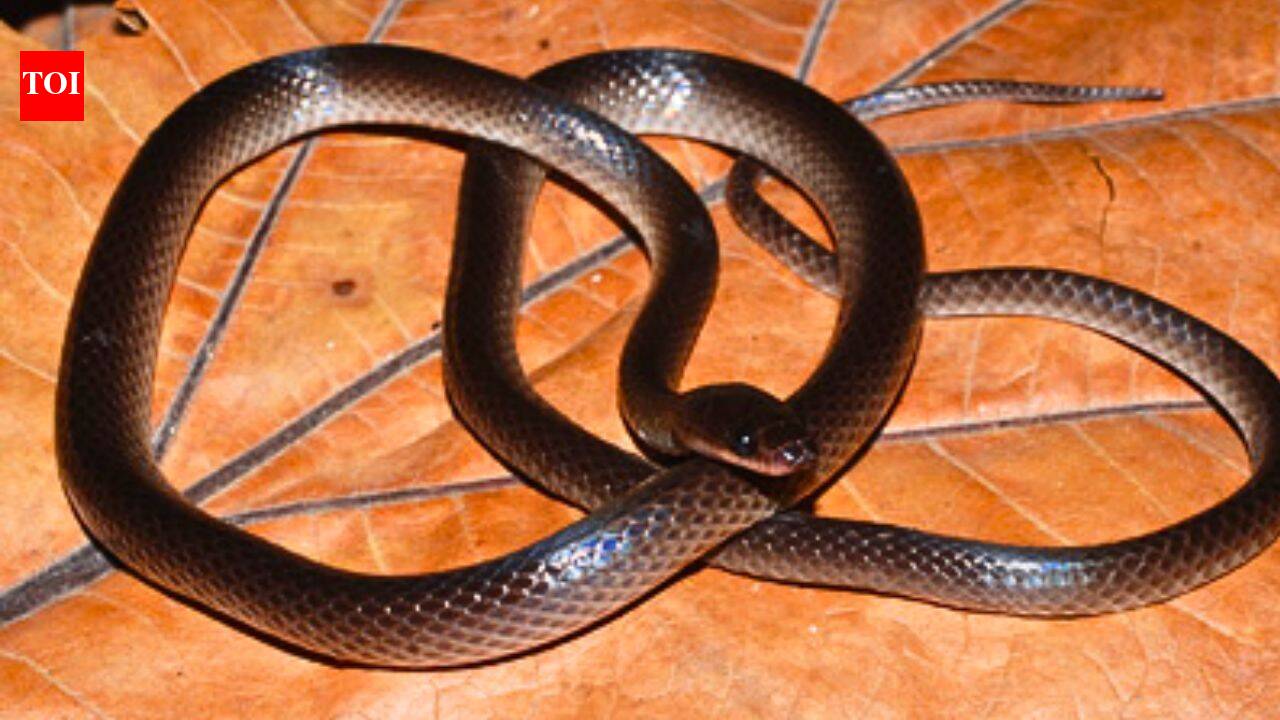
Slash’s groundsnake, namely Lielaphis slashi, is a reddish-brown, non-venomous snake that can grow to about 71 centimetres. Its discovery is also a reminder of how much remains hidden in one of the world’s richest wildlife regions. According to research published in the journal Zootaxa, titled ‘A new species of Papuan groundsnake (Squamata: Colubridae: Lielaphis) from New Guinea‘, researchers found molecular and physical evidence that separated the snake from its close relatives. The study has recognised 20 Lielaphis species. These snakes are active at night and are often found around the bases of large trees after sunset, where they search for prey. The finding shows how genetic testing can reveal diversity that appearance can hide alone.
How was Slash’s groundsnake identified as a new species
Slash’s groundsnake was first noticed during fieldwork in 2006, when Louisiana State University herpetologist Chris Austin encountered a snake that did not belong to a known species. The animal remained difficult to identify because Lielaphis groundsnakes tend to look alike. They are also elusive and mainly active after dark. In 2016, Austin began collaborating with Field Museum herpetologist Sara Ruane, allowing the specimens and populations to be examined carefully. Researchers eventually combined genetic evidence with physical traits, including differences in scale counts, to establish that the snake represented a distinct species. Ecological modelling provided another clue, showing that its preferred habitat differed from those of similar groundsnakes. The evidence together led researchers to formally recognise Lielaphis slashi as new to science.
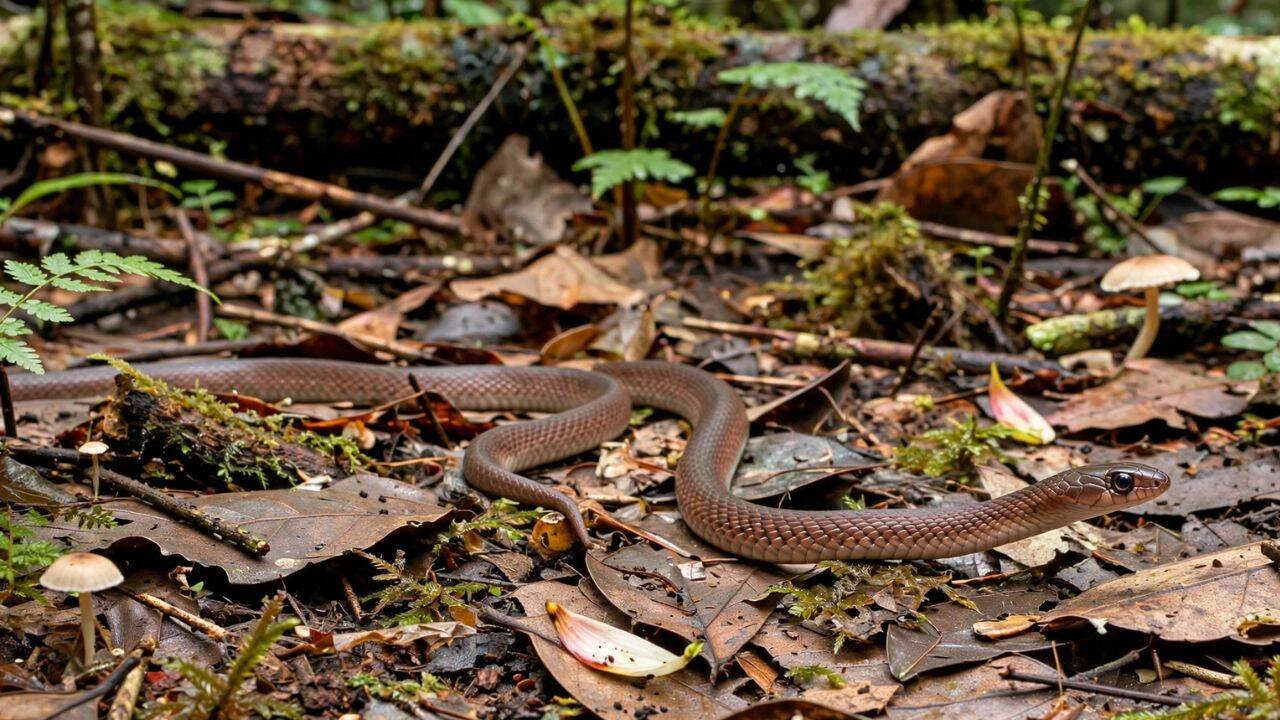
PC: AI Generated
What does Slash’s groundsnake look like and eat
As per the BBC, the snake is a medium-sized terrestrial species with a reddish-brown appearance and a length of about 71 centimetres. Its habits make it difficult to observe. Like other New Guinea groundsnakes, Lielaphis slashi is nocturnal and is encountered shortly after sunset. Researchers report finding these snakes around the bases of large trees as they search for food. Their diet is not confirmed, but members of the genus have large teeth toward the back of the mouth. These teeth may help them seize small, slippery-scaled lizards and reptile eggs. Unlike constrictors, the snake does not kill prey by wrapping around it. Lielaphis slashi is non-venomous and does not produce venom that is capable of harming or killing humans, although field identification requires caution.
Why is the new snake named after Slash
The name Lielaphis slashi carries a connection to rock music and natural history. Researchers named the species after Slash, the guitarist of Guns N’ Roses, whose long-standing interest in reptiles made the name a natural choice. Sara Ruane recalled seeing the musician with a python on the cover of Reptiles Magazine when she was younger. That memory became part of the story behind the species name. Slash welcomed the honour and described himself as humbled by the recognition. The name represents more than a celebrity tribute. It marks a species that had remained hidden within a group of similar-looking snakes. Its recognition also reflects how museum specimens, field observations, genetic analysis and collaboration can bring overlooked wildlife into the scientific record.
What does the discovery reveal about New Guinea’s snake diversity
The study notes that Lielaphis has a taxonomic history and that many species are poorly studied because they are nocturnal, elusive, and visually similar. The researchers examined genetic data from 12 described Lielaphis species alongside representatives of the related genus Stegonotus. Their approach revealed molecular and morphological differences supporting the new species. New Guinea is recognised for exceptional biodiversity. Continued field surveys and taxonomic work could reveal additional species and clarify how these snakes are distributed across the island’s diverse habitats.
Credit: Source link
Comments are closed.