

NCA approves telecom tariffs adjustment to address rising sector costs
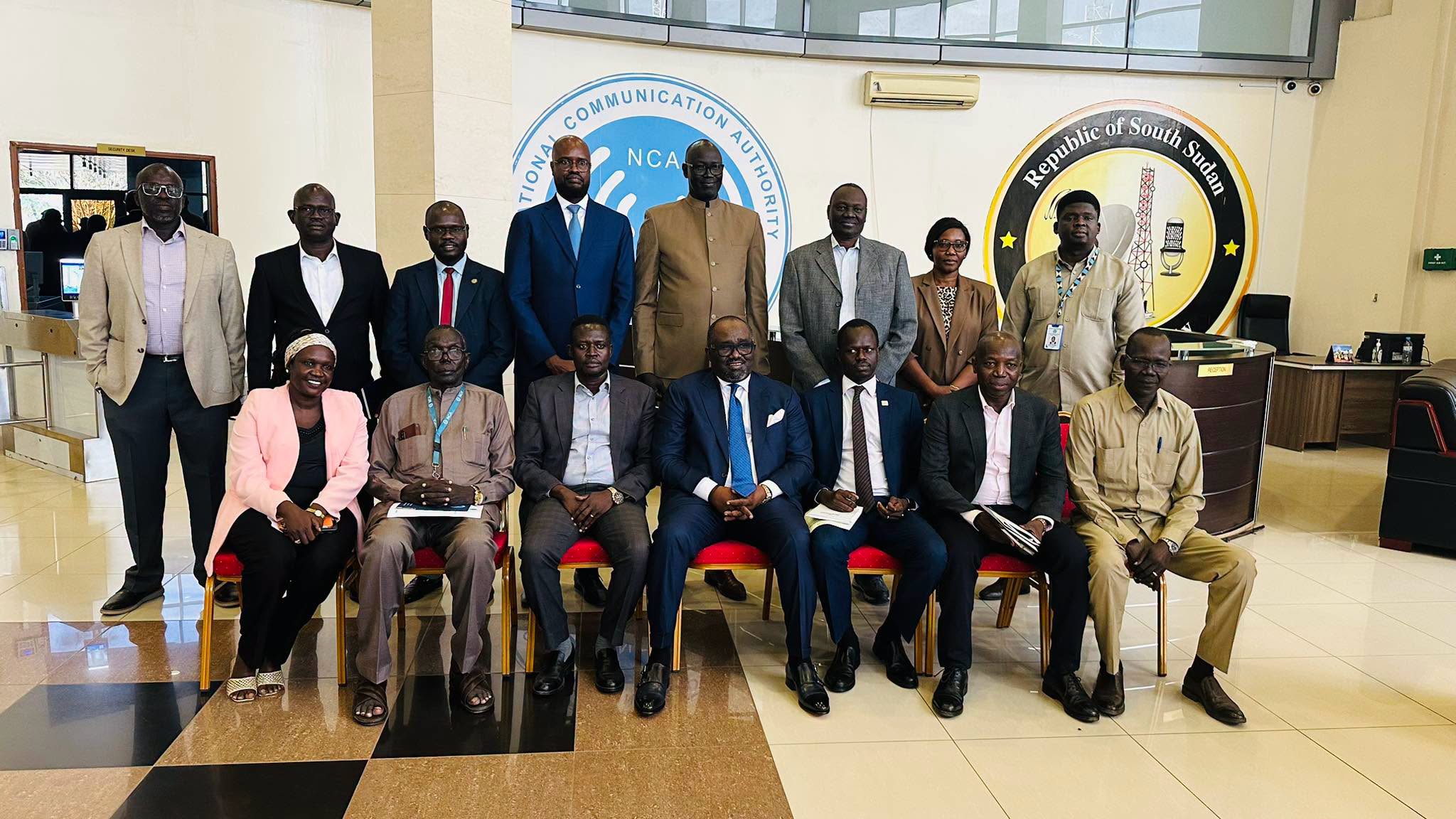

JUBA- South Sudan’s telecommunications sector is set for a tariff adjustment following approval by the National Communication Authority (NCA) of a phased review of the telecommunications tariff exchange rate, effective June 26, 2026.
The Director General of the National Communication Authority, Rizig Dominic Samuel, said the move is aimed at protecting the sustainability of telecom services as operators grapple with the depreciation of the South Sudanese pound and limited access to foreign currency needed for equipment, maintenance, and system upgrades.
“Accordingly, the Authority has approved a phased adjustment of the telecommunications tariff exchange rate, effective June 26, 2026, at midnight, as part of a broader package of measures aimed at supporting the sustainability of the telecommunications sector,” Samuel said.
He emphasized that the Authority remains committed to protecting consumer interests while ensuring the long-term viability of the sector.
“The Authority remains committed to protecting consumer interests and will closely monitor implementation to ensure that the intended benefits of this intervention are reflected in improved service quality and the continued reliability of telecommunications services,” he said.
Samuel explained that the measures are designed to safeguard the sustainability of telecommunications services and preserve national connectivity across the country. He noted that the depreciation of the South Sudanese pound and limited access to foreign currency have made it increasingly difficult for operators to maintain infrastructure, upgrade systems, and procure equipment from abroad.
“These challenges require the Authority to balance two equally important responsibilities: protecting consumers while ensuring the sustainability of telecommunications services. The Authority was concerned that without timely intervention, operators would be forced to scale down their operations,” he said.
According to Samuel, the NCA conducted extensive consultations with key stakeholders before approving the adjustment. These included the Ministry of ICT and Postal Services, the Parliamentary Committee on ICT, the NCA Management Board, Mobile Network Operators (MNOs), and civil society organizations.
“The phased implementation has been adopted to ensure a gradual transition and moderate the impact on consumers. This is not a tariff rate adjustment; it is a tariff exchange rate adjustment. The underlying tariff rates have remained unchanged for the last 10 years,” he explained.
De Chan Awuol, Executive Vice President of Digitel Holding, welcomed the move, saying the adjustment would help mobile network operators cope with rising inflationary pressures and escalating operational costs.
“The cost of running a business in South Sudan has increased by almost 100 percent. For example, fuel prices have risen from about SSP 6,000 to nearly SSP 12,000 per litre. That increase has significant implications for the cost of operating telecommunications services,” Awuol said.
He acknowledged that consumers may experience a slight increase in service charges but assured the public that operators would remain accountable for improving service delivery.
“We are going to see a slight increase, and we will be accountable for ensuring that services improve. Instead of shutting down parts of the telecommunications sector or switching off towers in rural areas and even in Juba, we have chosen to remain operational and continue serving the people of South Sudan,” Awuol said.