

National debt on track to hit $40 trillion this month
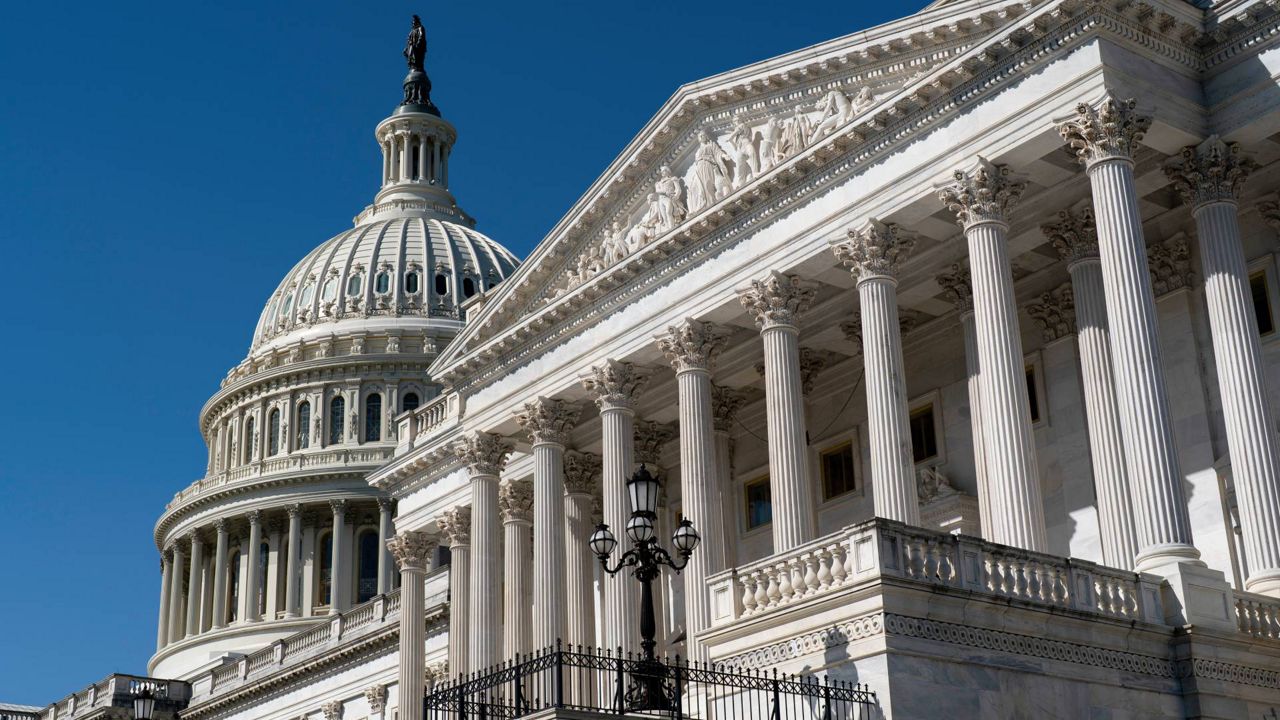
With the national debt expected to reach $40 trillion before the end of the month, multiple groups are sounding the alarm about its consequences. Without congressional action to bring the deficit under control, they say Americans at every stage of life will pay the price with higher borrowing costs and less financial security.
“The national debt is not just a number on the government’s balance sheet — it affects the financial decisions Americans make every day,” Conference Board CEO Center President David K. Young said in a statement Tuesday. “Higher debt can mean higher borrowing costs for families and businesses, fewer resources for national priorities, and greater uncertainty about programs Americans depend on in retirement.”
As of July, the national debt per American is approximately $116,000, noted the nonprofit, nonpartisan, business-led CEO Center, operated by the think tank The Conference Board. In a new report titled “How the National Debt Affects All Generations of Americans,” the group said the national debt could balloon to between 154% and 180% of gross domestic product by 2036, increasing costs for everything from small business and student loans to housing.
That’s to say nothing of the Social Security trust fund that is expected to run out in 2032, according to the Social Security Administration, with Medicare trust fund reserves to be depleted the following year.
Last week, the U.S. Treasury said the country had borrowed $1.8 trillion during the first 10 months of the 2026 fiscal year — more than it did in the entire 2025 fiscal year. In July alone, the U.S. borrowed $14 billion per day.
According to the Treasury, the government consistently spends more than it collects in taxes — a situation that has been exacerbated by government spending during the COVID-19 pandemic and increased spending on mandatory programs such as Social Security and Medicare, along with legislative tax cuts.
“It is clear the time to restore fiscal responsibility is now,” Maya MacGuineas, president of the Committee for a Responsible Federal Budget, said in a statement last week about the ballooning national debt. “Although action is long overdue, it is never too late to start correcting course.”
Lawmakers, she said, “should come together and agree to a plan — or at least a process for a plan — to reduce deficits to 3% of GDP and put the budget on a sustainable path.”
House Speaker Mike Johnson, R-La., has repeatedly said the national debt threatens the United States. In June 2020, before he was speaker, when the national debt stood at $26 trillion, he wrote on his website: “Our current fiscal path is unsustainable and dangerous, jeopardizing our nation’s economic growth, stability and the security of future generations.”
Johnson said Congress “has a moral and constitutional duty to resolve the crisis, bring spending under control, balance the federal budget, reform and modernize entitlement programs, eliminate fraud, waste and abuse, pursue continued pro-growth tax reforms and permanent tax reductions, and restore regular order and accountability in the budget and appropriations processes.”
Yet five years later, in June 2025, when the national debt had increased to $36 trillion, he led the House to pass a sweeping tax-and-spending bill that has added nearly $4 trillion to the national deficit.
At the time, Johnson said the federal deficit would eventually correct course, telling the “Cats Roundtable” radio show the bill was “a dramatic shift in the right direction” and “we’re going to have more of this in the Republican Congress under President Trump’s leadership to get us out of the debt mess that we’re in.”
While the House fiscal year 2027 budget proposal targets lowering the annual federal deficit from $1.9 trillion in the 2026 fiscal year to $1.8 trillion in 2027, the Committee for a Responsible Federal Budget estimates its proposed budget resolution would add about $130 billion to the national debt because of spending increases for military, intelligence, agriculture and election administration that were not offset with revenue.
During his State of the Union address in February, President Donald Trump said eradicating fraud would balance the budget overnight — a claim that was debunked by fact checkers who estimate fraud costs the federal government $233 billion to $521 billion annually — far less than the $2 trillion the Trump administration is on track to rack up by Sept. 30, when the 2026 fiscal year comes to a close.
To address the deficit, the Conference Board’s CEO Center recommends lawmakers establish a bipartisan fiscal commission in Congress that is tasked with improving the federal government’s long-term finances and reform the congressional budget process to improve accountability and incorporate long-term fiscal planning into federal budgeting.
It also calls for strengthening Social Security’s finances with additional revenues and potential benefit adjustments and modernizing Medicare with value-based care and alternative payment models.
Capping annual federal deficits at 3% of GDP, instead of the 5.8% it is now, would require a deficit reduction of $7.5 trillion to $10 trillion over the next decade, the CFRB said. Doing so would require placing strict caps on discretionary spending, such as the military, lowering health care costs through Medicare reforms and increasing revenue, the group said.