

NaFAA and LAFA Forge Strategic Alliance to Overhaul Liberia’s Artisanal Fisheries Sector
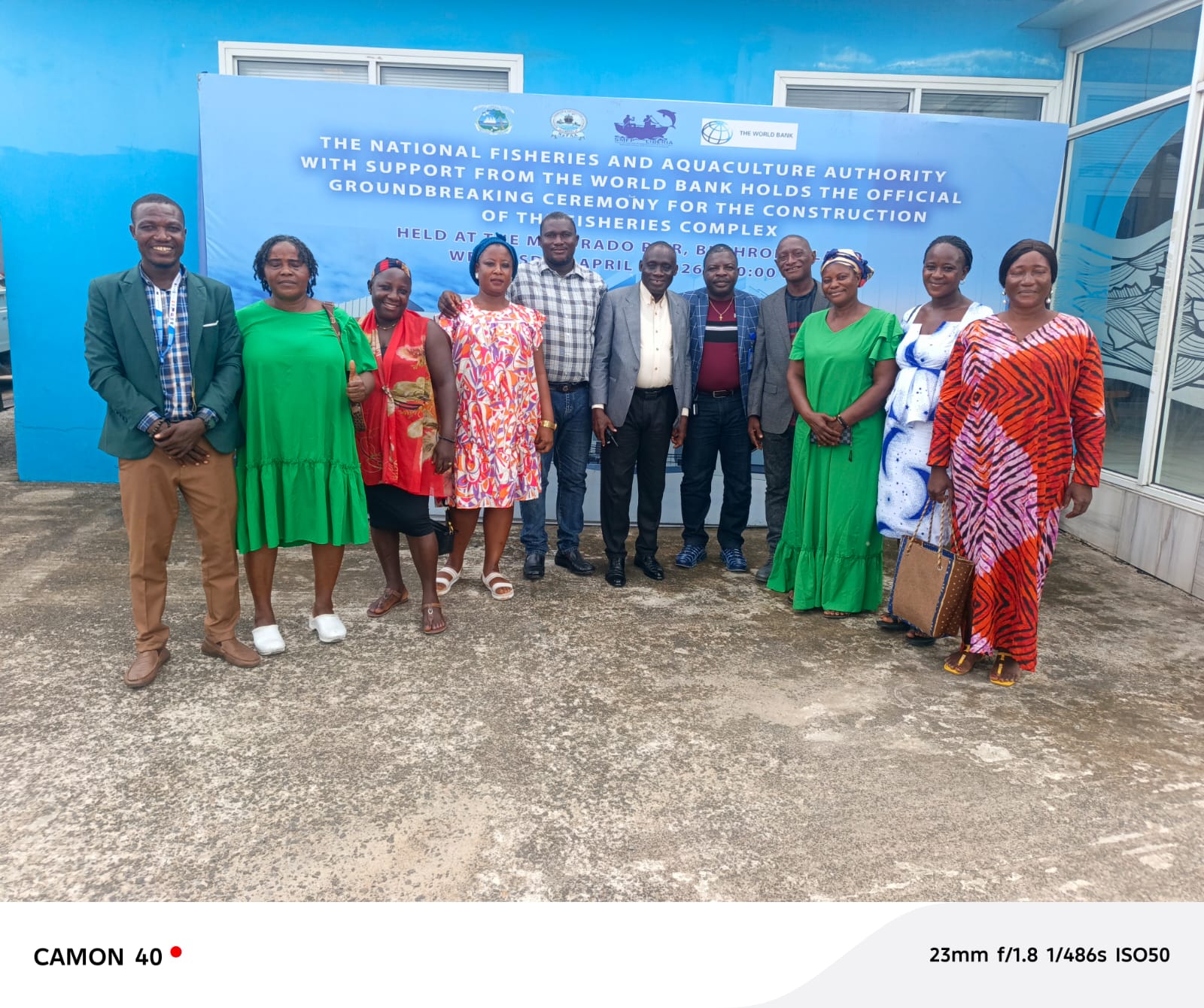
In a decisive move to salvage and modernize a critical pillar of the national economy, the National Fisheries and Aquaculture Authority (NaFAA) has initiated high-level strategic negotiations with the newly elected leadership of the Liberia Artisanal Fishermen Association (LAFA). The summit, convened at NaFAA headquarters in Monrovia, marks a critical turning point in the governance of Liberia’s sprawling and historically volatile coastal waters.
The artisanal fishing sector is the lifeblood of Liberia’s coastal communities, providing essential protein and primary livelihoods for hundreds of thousands of citizens. However, the sector has long been plagued by rampant illegal fishing, archaic regulatory frameworks, and severe infrastructural deficits. This newly forged alliance seeks to systematically dismantle these barriers, replacing hostility with collaborative governance.
Combating the Illegal Fishing Epidemic
At the top of the agenda is the existential threat posed by Illegal, Unreported, and Unregulated (IUU) fishing. Foreign industrial trawlers continually encroach upon Liberia’s inshore exclusion zones, decimating local fish stocks and destroying the nets of artisanal fishermen. This predatory practice not only threatens national food security but strips millions of dollars from the domestic economy.
The collaboration between NaFAA and LAFA is designed to create a unified front against these incursions. By integrating the local knowledge and daily sea presence of LAFA members with the regulatory and enforcement power of NaFAA, the state aims to establish a highly effective early warning and surveillance network. This grassroots approach to maritime security mirrors successful community-led conservation models deployed in the coastal fisheries of Kenya and Tanzania, where local fishers act as the frontline guardians of marine ecosystems.
The discussions also centered heavily on improving safety at sea, an issue of grim importance given the high mortality rate among Liberian fishermen utilizing traditional, unmotorized canoes in treacherous Atlantic waters.
Modernising the Coastal Economy
Beyond security, the summit addressed the urgent need for infrastructural modernization. The artisanal sector suffers from catastrophic post-harvest losses—often exceeding 40 percent—due to a severe lack of cold storage facilities and modern processing technologies.
- Institutional Synergy: Formal alignment between state regulators (NaFAA) and grassroots operators (LAFA).
- Resource Protection: Joint strategies developed to aggressively combat illegal foreign trawler incursions in exclusion zones.
- Capacity Building: Focus on transitioning artisanal fishers from rudimentary canoes to safer, motorized outboard vessels.
- Supply Chain Modernisation: Urgent interventions planned to reduce massive post-harvest losses through improved cold storage.
NaFAA is pushing for a transition strategy that will enable fishermen to upgrade from hazardous dugout canoes to fiberglass vessels equipped with outboard motors. This mechanization is essential for allowing artisanal fishers to safely venture further offshore, thereby reducing the unsustainable pressure on near-shore fish breeding grounds.
A Paradigm Shift in Governance
Historically, the relationship between the state fisheries authority and the artisanal fishermen has been characterized by deep suspicion and regulatory friction. The successful execution of these high-level talks signifies a mature paradigm shift. LAFA’s new executive leadership appears willing to enforce compliance with sustainable fishing regulations among its members in exchange for tangible state support and protection from industrial encroachment.
Fisheries economists note that if Liberia can successfully formalise and protect its artisanal sector, the economic multiplier effect will be massive. By ensuring that the wealth harvested from Liberian waters remains in the pockets of Liberian citizens, rather than foreign industrial fleets, the government can trigger a wave of prosperity across its coastal counties.
The true test of this newly forged alliance will be measured not in the boardroom, but on the beaches. As NaFAA and LAFA begin to implement their joint resolutions, the survival of Liberia’s coastal economy depends entirely on their ability to turn policy into unyielding action.
Credit: Source link