

Musk loses OpenAI lawsuit in under 2 hours, vows appeal
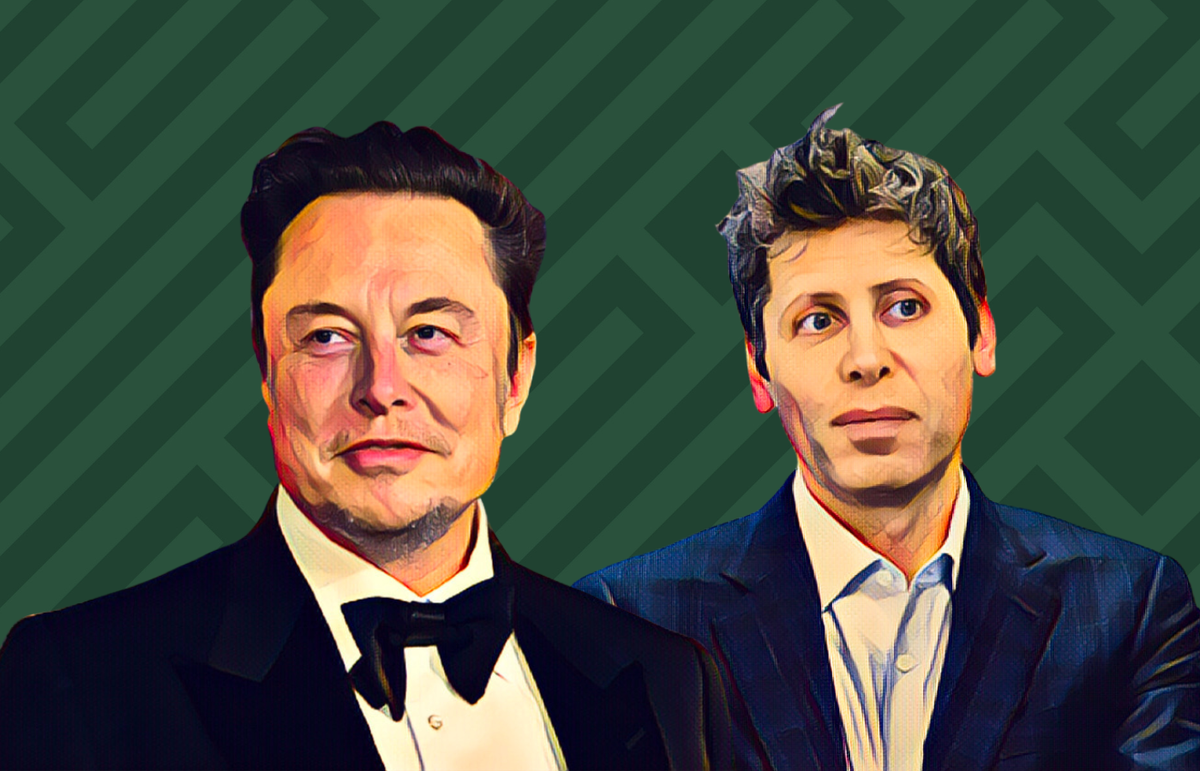
Elon Musk spent three weeks in an Oakland courtroom trying to prove Sam Altman stole a charity. A jury needed less than two hours to tell him he waited too long to say so.
In a unanimous decision on May 18, the nine-member advisory jury found that Musk was beyond the statute of limitations when he launched his lawsuit in 2024. US District Judge Yvonne Gonzalez Rogers, who presided over the three-week trial at the Ronald V. Dellums Federal Building in Oakland, California, accepted the verdict immediately. “There’s a substantial amount of evidence to support the jury’s finding, which is why I was prepared to dismiss on the spot,” the judge said.
The nine-person jury found that Musk missed the three-year window to file a claim, accepting OpenAI’s argument that Musk waited too long and could not claim any harm that occurred before August 2021. The court did not address whether Musk’s underlying allegations of breach of charitable trust and unjust enrichment had merit. The statute of limitations ruling made that analysis unnecessary.
The case stemmed from Musk’s 2024 lawsuit accusing Altman, OpenAI president Greg Brockman and Microsoft of betraying the company’s founding mission. Musk co-founded OpenAI in 2015 as a nonprofit, investing approximately $38 million in its early years, with the stated aim of developing artificial intelligence for the benefit of humanity rather than for private commercial gain. By 2017, the founders were convinced they needed to set up a for-profit arm to raise money and attract researchers. Musk wanted control, but the others disagreed, and he left the board in 2018.
In court, Musk argued the model switch amounted to the looting of a charity. He sought up to $150 billion in damages from OpenAI and Microsoft, Altman’s removal as chief executive, Brockman’s removal as president, and the reversal of OpenAI’s 2025 restructuring that expanded its for-profit operations and opened the door to an IPO. OpenAI’s lawyers portrayed the lawsuit as Musk’s attempt to kneecap a rival after he failed to gain control of it. They also showed evidence that Musk had himself floated a for-profit structure, on the condition that he retain control, and at one point pushed for OpenAI to fold into Tesla.
OpenAI attorney William Savitt said outside the courtroom after the decision that it took the jury less than two hours of deliberation to reach its conclusion, calling the lawsuit a “hypocritical attempt to sabotash a competitor.”
Musk responded on X within hours. “There is no question to anyone following the case in detail that Altman and Brockman did in fact enrich themselves by stealing a charity,” he wrote, describing the ruling as a “calendar technicality” and confirming he intends to appeal.
The dismissal also applied to all claims against Microsoft, delivering a double victory for the two companies at the center of the AI industry’s most closely watched legal fight. A ruling in Musk’s favor could have forced changes to OpenAI’s corporate structure and complicated its planned initial public offering, expected later in 2026. With the lawsuit dismissed, that path is now clear.
Altman countered during testimony that Musk had supported the shift to a for-profit model and had sought long-term control of the organization, describing a tense exchange in which Musk reportedly suggested the company could pass to his children upon his death.
Musk founded xAI in 2023 after leaving OpenAI’s board. xAI, which creates the Grok chatbot, is now merged into SpaceX. Musk and Altman remain rivals at the forefront of the global AI race, a competition that will now play out in the market rather than in court.
Crédito: Link de origem