

Morocco’s Istiqlal Party Pledges Laws to Shield Children From Risky Digital Platforms
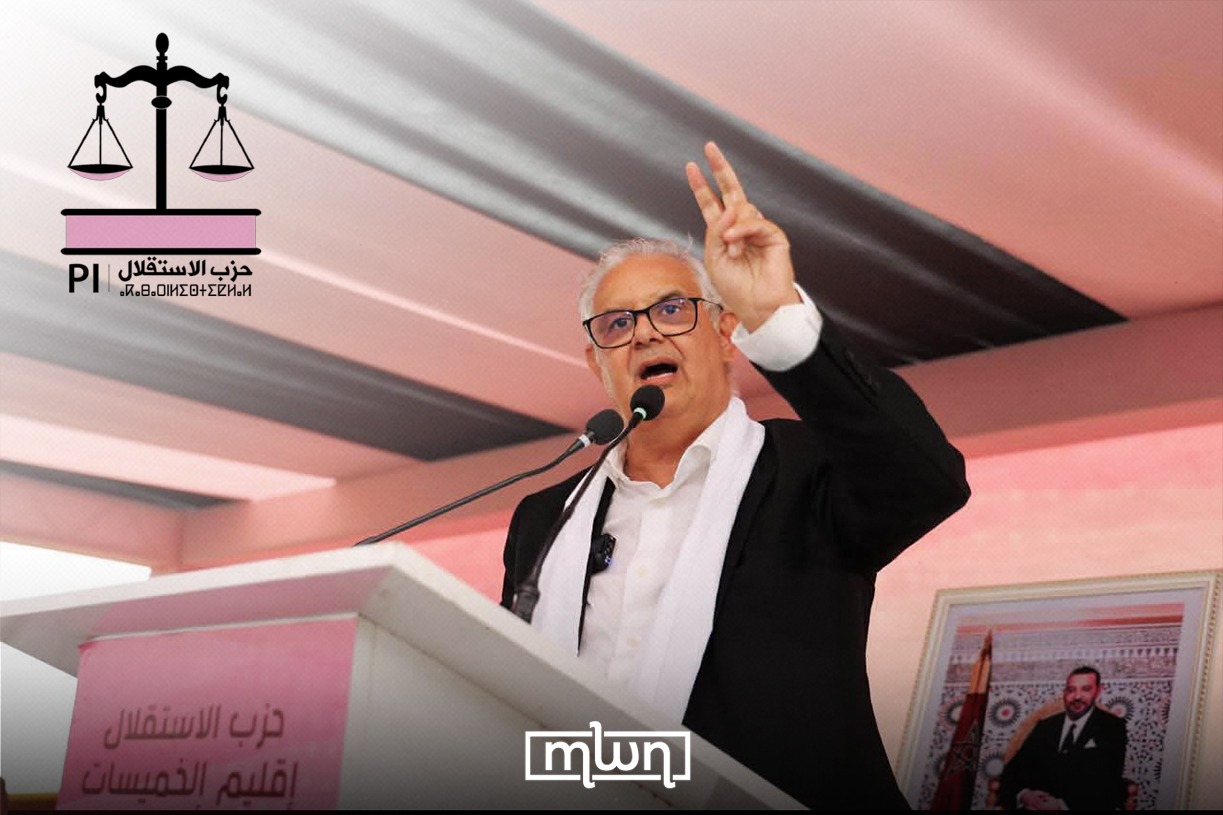
Rabat – As Morocco heads toward the parliamentary elections this month, the Istiqlal Party has pledged to introduce legislation to protect children and young people from the risks associated with social media and dangerous online games. The commitment is included in the party’s election program for the 2027-2031 government.
Under the proposal, children under the age of 15 would be prohibited from accessing social media platforms and certain dangerous electronic games.
Alongside this proposal, the Istiqlal Party, known as the Al-Mizan Party, which is currently part of Morocco’s governing coalition alongside the National Rally of Independents (RNI) and the Party of Authenticity and Modernity (PAM), has also pledged to launch a national digital childhood program.
The program would be based on the principle of gradual access to the digital world, with children’s exposure to digital platforms adapted to their different age groups.
According to the party, the digital childhood program includes banning smartphone use inside primary schools. It also includes strengthening digital education within school curricula. Families would receive parental monitoring and control tools. The government would also create a “child-friendly digital space” label.
The pledges come after years of rising debate in Morocco over regulating children’s access to digital platforms. Rights groups and civil society organizations have warned of an alarming increase in cybercrime rates. They have also flagged risks of digital exploitation and blackmail targeting minors, alongside challenges linked to mobilization and incitement to irregular migration.
In late July, thousands of people migrated from the city of Fnideq toward the Spanish-occupied city of Ceuta. Thousands of minors were among them. A Spanish intelligence report and Morocco’s Interior Ministry linked the mass migration attempt to mobilization carried out on digital platforms.
Child protection online is not a new issue for Moroccan lawmakers. In February 2026, MP Khadija Zoumi, of the Istiqlal group for Unity and Egalitarianism, submitted a written question to Amal Fallah Seghrouchni, Minister of Digital Transition and Administration Reform. The question sounded the alarm over the negative effects of social media on minors in Morocco.
Zoumi said Morocco is witnessing an “important revolution” in digital culture, accompanied by a steady rise in the number of social platform users, especially among minors. She said these children face digital content that lacks age controls, threatening their psychological and behavioral development.
She warned that the absence of oversight and legislation could push young people toward practices and behaviors “unrelated to childhood innocence.” She added that the harm does not stop at the individual child but extends to affect the safety of the family and Moroccan society as a whole.
In July, Khalid Sati, a parliamentary councilor from the National Union of Labor in Morocco, urged Head of Government Aziz Akhannouch to take urgent measures. He called for regulating access to social media platforms for children under 15, warning of growing risks threatening this age group in the digital space.
In a written question, Sati said the rapid expansion of children’s use of social media platforms has produced growing challenges. He listed digital addiction, cyberbullying, exposure to inappropriate content, and risks of exploitation and personal data violations as the top concerns.
Other lawmakers have previously questioned the government on the same issue. They called on officials to disclose what measures would be taken to regulate digital platforms and the content that pushes minors toward digital addiction in order to limit both physical and psychological risks.
Morocco would join a growing list of countries restricting children’s access to digital platforms. Australia banned social media for children under 16 in December 2025, while the United Arab Emirates took the same step for children under 15. Turkiye has restricted use of these platforms for children under 15. Other countries are moving toward similar measures.
On July 21, 2026, France’s parliament gave final approval to a bill banning social media use for anyone under 15. The law, which was set to take effect this September, aims to protect the health of children and teenagers.
In mid-August, however, France’s Constitutional Council struck down the bill. The Council ruled that the ban represented a “disproportionate infringement” on freedom of expression.
Credit: Source link