

Morocco tops the list of African countries for business climate
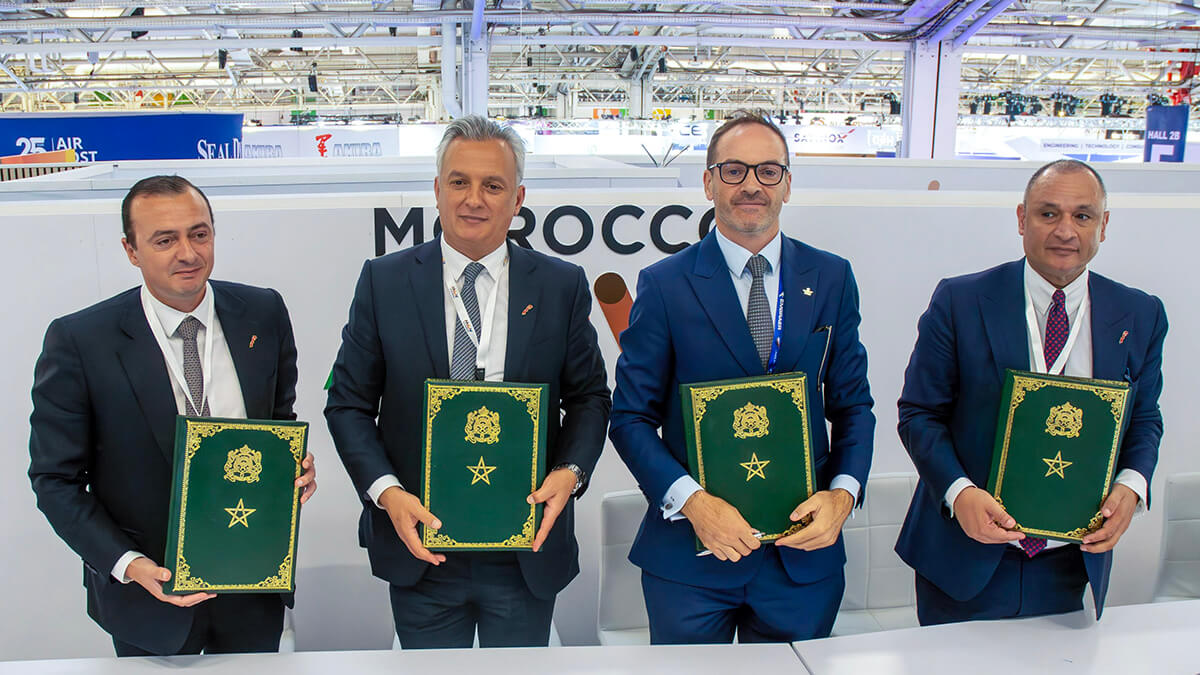
- African leader in business climate
- Why choose Morocco?
- Concrete progress and record figures
- Challenges and prospects for improvement
For the first time, Morocco tops the overall ranking of African countries, with an overall score of 3.9 out of 5 in the annual report by the French Council of Investors in Africa (CIAN). Morocco is ahead of Mauritius (3.4), Uganda (3.3), Algeria and South Africa (3.2 each).
According to this Business Climate Barometer, which is compiled from a survey of hundreds of foreign and local business leaders across the continent, Morocco is making progress on economic indicators, leading the African scene in terms of business climate thanks to the opportunities it offers investors, underpinned by political stability, strategic location, infrastructure development and ongoing economic reforms.
The survey results highlight the importance of continuing to make progress on regulatory efficiency, transparency and digital readiness, in order to address the issues of customs procedures, regulatory barriers and administrative complexity that affect operational efficiency and flexibility.
African leader in business climate
This position is the culmination of a long process of reforms and economic development that began two decades ago.
The survey, which included hundreds of executives from local and foreign companies, uses 39 standard criteria, ranging from the quality of infrastructure to the efficiency of the tax system, the legal framework and the quality of human resources. The result is a Morocco that leads the business climate in Africa.
Compared to its Maghreb neighbours, Morocco’s regional leadership reinforces its strategic vision, which focuses on political stability, major infrastructure projects and trade liberalisation to attract foreign direct investment.
Algeria, meanwhile, scores an overall rating of 3.2, 0.7 points lower than Morocco. Tunisia and Egypt rank lower in other classifications. This achievement has also allowed Rabat to outperform South Africa (3.2), which has a more diversified economy but is hampered by electricity supply issues and insecurity.
Why choose Morocco?
As one of the most dynamic economies in the Middle East and North Africa, Morocco continues to offer opportunities to global investors who choose the country as the ideal destination for their projects, for the following reasons:
- Political stability, its strategic location and ongoing economic reforms.
- Its logistics capabilities, backed by the ports of Tangier Med, Nador West Med and Dakhla Atlantic, with industrial zones that are transforming Morocco into a maritime hub capable of reshaping the region’s trade and energy landscape.
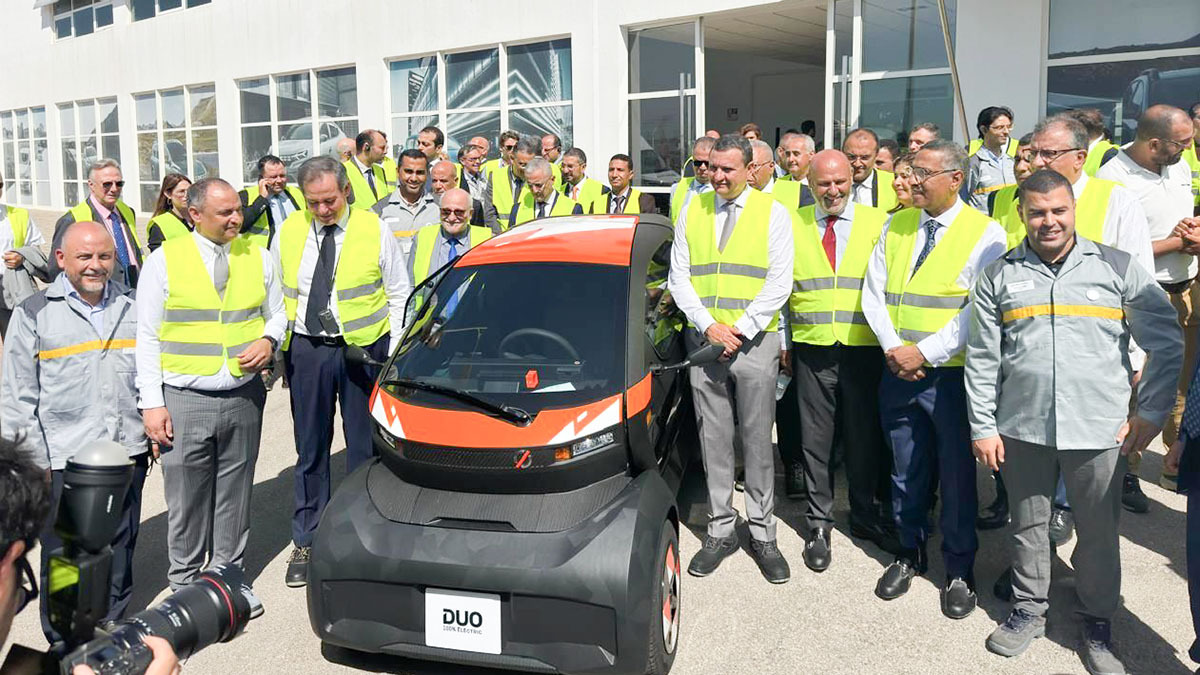
- The development of key sectors such as the automotive, aeronautics, renewable energy and agri-food industries.
- The new Investment Charter, offering significant tax incentives, financial support and facilities for the repatriation of capital and profits to foreign investors in sectors such as renewable energy and new technologies.
- The motorway network connecting cities and industrial centres with a level of ease rarely seen on the continent; as well as its well-maintained national roads.
- Al Boraq, Africa’s first high-speed train.
- The ongoing improvement of public services.
- The focus on quality investment and the definition of partnership conditions with foreign entities.
- The digitisation of administrative and tax procedures.
- The simplification of procedures for setting up businesses.
- The level of training, versatility and productivity of technicians and engineers.
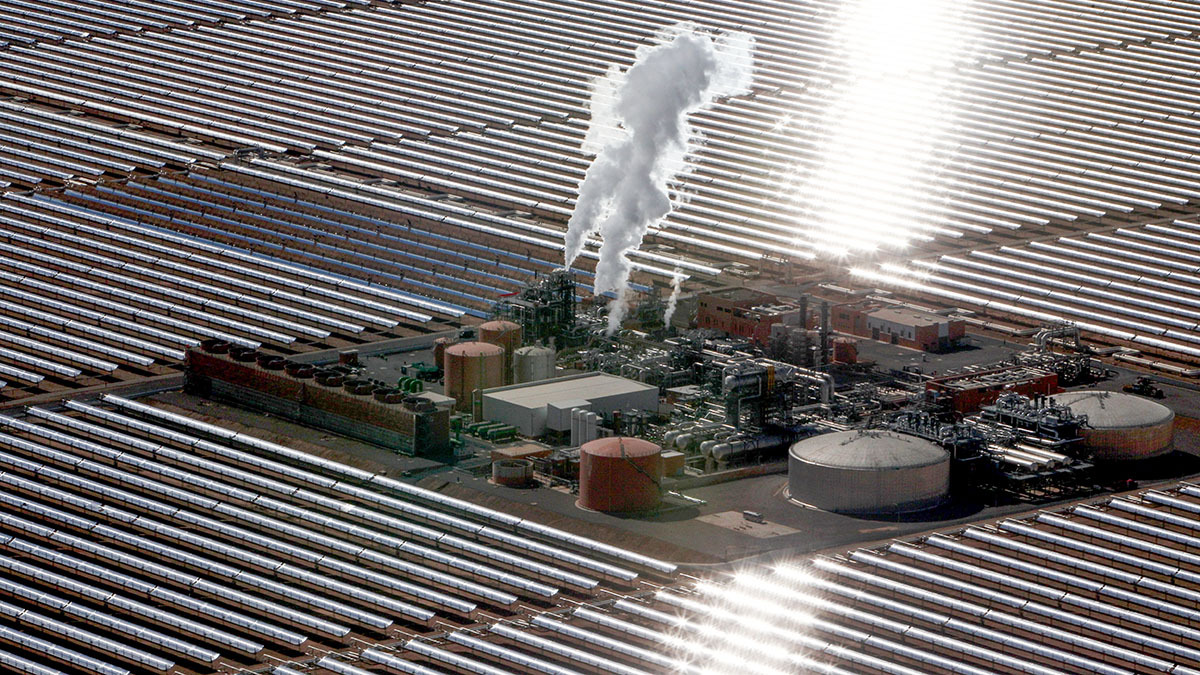
- The commitment to renewable energy as a means of achieving gradual strategic independence.
Concrete progress and record figures
CIAN data has shown that business leaders rank Morocco fifth among African countries where their companies made a profit in 2025, ahead of Guinea-Conakry, Nigeria, the Democratic Republic of the Congo and Uganda. 48% of the companies surveyed report having made a profit, 32% are breaking even and only 20% are in deficit.
According to the 2025 financial results, eight out of ten companies have had a loss-free year, a remarkable achievement in an international context marked by inflation, rising interest rates and geopolitical tensions, particularly the war in the Middle East and the Strait of Hormuz crisis.
In this regard, Morocco ranks in the highest category of ratings, between 4 and 5 out of 5, representing a significant competitive advantage. These figures confirm that the North African country is a stable destination and a breeding ground for profitability.
The automotive, aerospace, agri-food and financial services sectors find in Morocco a favourable business climate, efficient infrastructure and a skilled workforce, with a rating of between 3.1 and 3.8. In fact, eight of the nine largest companies in North Africa and eleven of the twenty largest African companies are Moroccan.
Morocco is therefore considered the third most popular destination for capital on the continent, behind Uganda and Guinea Conakry. And by 2026, 56% of executives anticipate profits, 34% expect a break-even, and the proportion of losses falls to 10%.
This confidence reflects the resilience of African economies and their ability to capitalise on regional value chains and free trade agreements. Thus, legislative requirements mandating that the aviation sector use an increasing proportion of sustainable fuels position Morocco as a potential supplier of clean energy to the European market by investing in green hydrogen.

Challenges and prospects for improvement
Despite Morocco’s leadership in terms of business climate, the country faces a series of operational challenges that require effective management to be overcome. These challenges are:
- Rising African competition in Kenya, Egypt and South Africa to attract investment, as well as reforms and modernisation in Uganda and Mauritius.
- Water stress, which is placing real pressure on certain sectors.
- Complex international partnerships governing the shift towards defence and technology industries, operating within regulatory frameworks that are still under development.
- Internal social pressures and the increase in spending on health and education by more than 15%.
- Fiscal complexity, particularly for small businesses.
- Complicated administrative and customs procedures, and regulatory barriers.
- Delays in the disbursement of aid.
- The problem of access to foreign currency.
- Delays in the processing of documentary credits.
- Bank guarantees, particularly for small and medium-sized enterprises, which rely on imported inputs.
As investors become increasingly demanding, to maintain its top position, the country will need to transform this ranking into a sustainable productive force by:
- Channelling foreign direct investment (FDI) flows more towards sectors with high added value.
- Improving the provision and delivery of employment incentives.
- Supporting strategic projects.
- Redoubling decarbonisation efforts and enhancing the range of automotive, aeronautical and renewable energy ecosystems.
- Aligning vocational training with business needs, particularly in the digitalisation and energy transition sectors.
- Radically simplifying access to investment incentives by creating an effective one-stop shop.
- Facilitate import financing by developing financial products tailored to SMEs.
Credit: Source link