

Morocco Tightens Transit Rules on Nigerians Over Fake Schengen Visas, Absconding
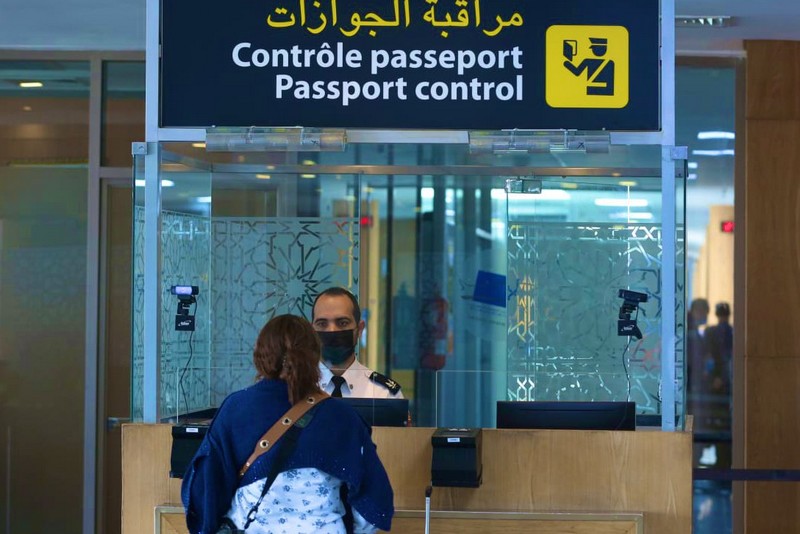
Marrakech – The Nigeria Civil Aviation Authority (NCAA) has raised concern over a sharp rise in fake Schengen visa stamps used by passengers bound for Europe, with some Nigerians reportedly absconding while transiting through Morocco. Nigeria’s Leadership Newspaper reported the development this Monday.
Michael Achimugu, the authority’s director of Public Affairs and Consumer Protection, laid out the difficulties confronting Nigerian travelers who route through Morocco. According to him, the counterfeit stamps have grown so sophisticated that inexperienced immigration and airline profiling officers struggle to catch them before passengers leave Nigeria.
Achimugu learned of the trend only recently, describing “a sharp increase in the volume of fake Schengen visa stamps now being used by passengers to travel to Europe.”
Many of the documents surface later rather than at the point of departure. “A lot of them are discovered at transit airports, and others on arrival in Europe,” he observed, adding that the forgeries were “so expertly done” that profilers without experience could miss them.
Beyond the fake stamps, a separate pattern has emerged around long layovers. Some passengers deliberately book extended stopovers in Casablanca to qualify for hotel accommodation, then vanish into the city. “Once they enter the city, they disappear and try to find an illegal way into Europe,” Achimugu explained.
That behavior, he noted, is one reason Morocco has tightened entry restrictions on Nigerian passengers without visas, even those otherwise eligible for a hotel stay during lengthy transits. Nigerian officials have pushed back through diplomatic channels, asking the Moroccan Mission to weigh the wider statistics and ease entry for genuine travelers.
In those talks, Nigeria pointed to Ethiopia as a workable model. A Nigerian due hotel accommodation in Addis Ababa needs no visa provided the passenger flies the national carrier, Ethiopian Airlines. The airline runs controlled transport for such travelers, with electric buses that ferry them to their hotel and return them to the airport, reducing the chance of anyone slipping away.
Achimugu also questioned whether the actual number of absconders justified blanket restrictions. “How many such passengers ever absconded? It is not all Nigerians that want to run away,” he pointed out, warning against penalizing “way too many hardworking, legitimate people” over a few “bad eggs.”
The Moroccan Mission countered that the kingdom’s proximity to Europe leaves it far more exposed to irregular migration than Ethiopia, making it an attractive route for those seeking to cross illegally. The authority’s reply was to request the underlying figures. “If the numbers are infinitesimal, then you have the answers you need,” Achimugu remarked.
Some movement has followed. The Royal Air Maroc country manager indicated the airline has already made a case for Nigerian travelers with the relevant Moroccan authorities, a request now under review “subject to a number of variables.”
As an interim fix, the authority proposed expanding accommodation for stranded passengers. Airport hotels currently hold about 70 rooms, and Achimugu suggested either adding more or granting lounge access to Nigerians who face long layovers without an entry permit.
Read also: Nigerian Aviation Official Threatens to Halt Royal Air Maroc Operations
Credit: Source link