

Morocco Co-Sponsors IAEA Resolution Closing Syria’s Assad-Era Nuclear File
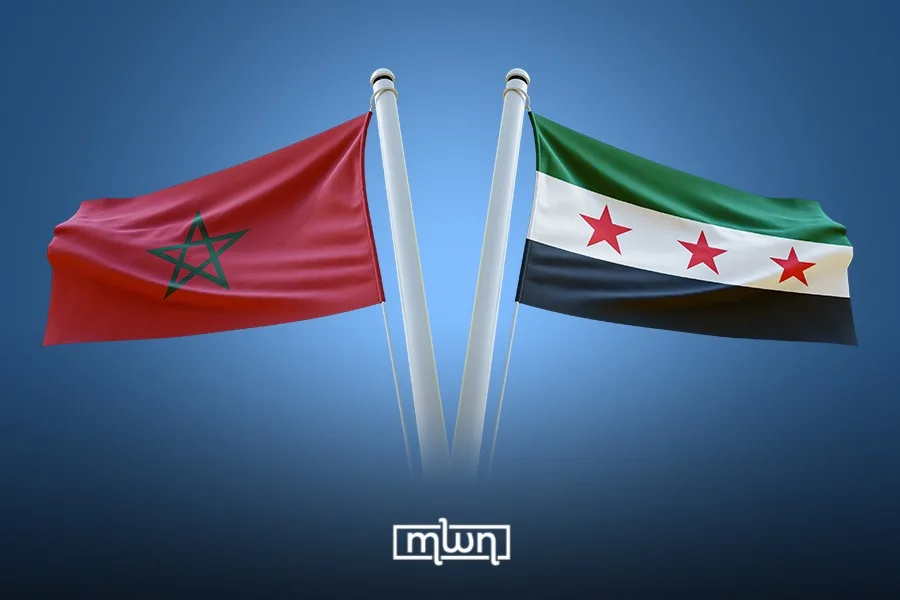
Marrakech – Morocco joined Egypt, Jordan, and Saudi Arabia on Wednesday in sponsoring a resolution at the International Atomic Energy Agency (IAEA) that closed a fifteen-year probe into Syria’s covert nuclear activities under the ousted Assad government.
The IAEA’s 35-nation Board of Governors adopted the text by consensus in Vienna, with no state objecting, according to diplomats at the closed-door meeting. The resolution terminated a 2011 finding that had declared Syria in non-compliance with its non-proliferation obligations and reported it to the UN Security Council.
As chair of the Arab Group in Vienna, Saudi Arabia submitted the decision alongside its three partners, including Morocco. The text welcomed “the transparency and cooperation of the Syrian Arab Republic” and commended Damascus for the steps taken to resolve its non-compliance.
The case dates to 2007, when Israel bombed a site in the eastern province of Deir Ezzor that it described as a secret nuclear reactor near completion. The IAEA then demanded that Syria account for its nuclear work, which the Assad government declined to do. Israel publicly admitted carrying out the raid only in 2018.
After the overthrow of Bashar al-Assad in December 2024, Syria’s new authorities pledged to cooperate with the agency. Inspectors last month visited two sites, one in Deir Ezzor and a second at an undisclosed location that Syrian officials identified to them.
In a confidential report to member states last week, the IAEA reported that it had resolved all outstanding questions. It found around 73 metric tons of natural uranium metal, most of it in the form of fuel rods, now placed under agency oversight and set to remain in the country.
IAEA Director General Rafael Grossi, on Monday, described the near-complete Deir Ezzor reactor as capable of producing material for nuclear weapons. He called it “obvious that the previous government was pursuing a number of clandestine” activities.
Besides the reactor, inspectors located a fuel fabrication plant and a storage site holding fuel, uranium scrap, and waste. Grossi credited Damascus with a “courageous decision” to report the undisclosed location.
Not every assessment pointed to a weapons drive. Robert Kelley, a former IAEA inspections director now with the Stockholm International Peace Research Institute (SIPRI), found “no evidence of any weapons programme,” suggesting the aim may have been to produce plutonium for North Korea, possibly for sale to a third party.
The resolution encourages Syria to continue cooperating, including excavation work at Deir Ezzor, and requests that Grossi update the board on the agency’s ongoing activities.
Syria’s foreign ministry welcomed the outcome on X as “an important diplomatic and legal achievement,” adding that it “opens new horizons for an international cooperation for peaceful uses of nuclear energy and technologies.”
Support extended beyond the sponsors. The United Kingdom backed the resolution, with its delegate thanking the four Arab states for the draft and urging Syria to sign an Additional Protocol. UK Special Envoy Barrie Peach, along with Denmark and the Nordic-Baltic group, also welcomed the board’s decision.
Read also: Trump Links Saudi Civil Nuclear Deal to Recognition of Israel
Credit: Source link