

Long Island’s Haitian restaurants feeling the strain from TPS ending
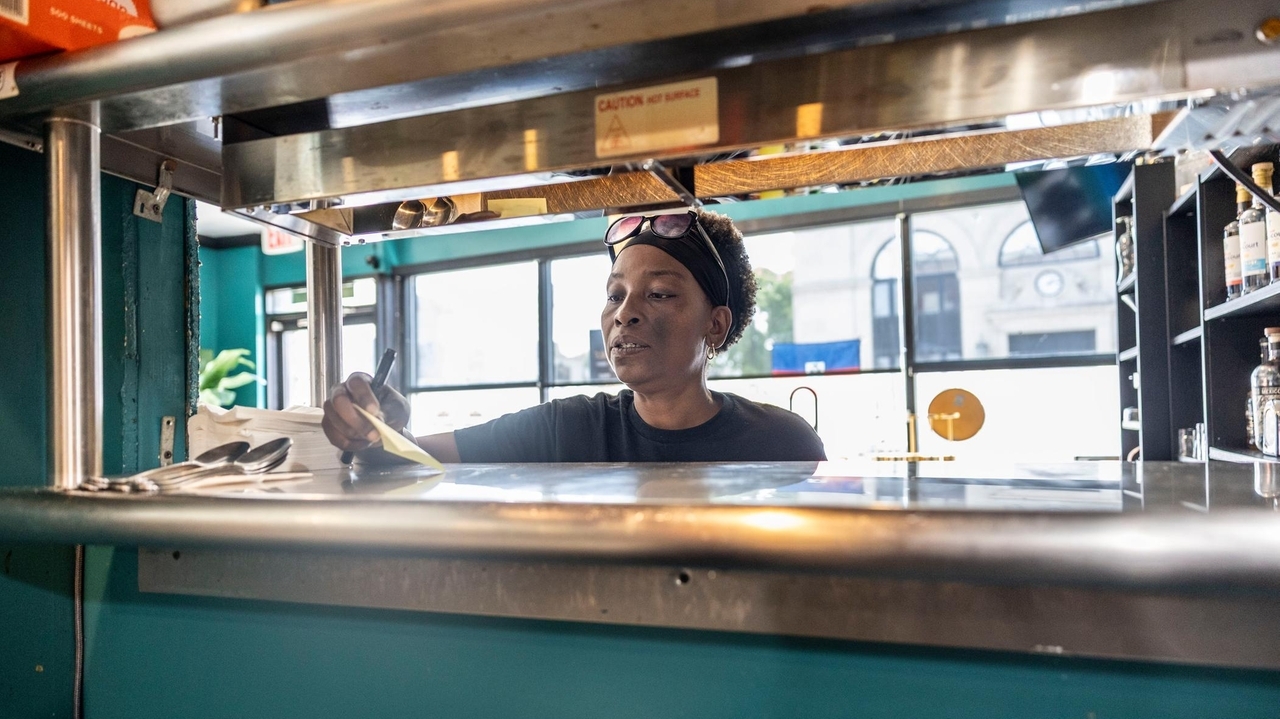
Haitian restaurants on Long Island are losing workers, money and even hope they’ll survive as a result of a new Trump administration policy that removed legal immigration status for thousands from Haiti, owners of several businesses told Newsday on Wednesday.
In Elmont, a hub of the Haitian community on Long Island, a Haitian restaurant has been so hard hit that business is down by about half in the last two weeks, prompting the firing of half the staff, according to the owner.
The staff has dropped from 20 to 10 employees, said the owner, who asked that neither she nor the restaurant be identified for fear of repercussions. The owner said she is considering selling the restaurant.
“It’s bad. People are worried. They are scared to come out,” she said. “What is happening is devastating.”
WHAT NEWSDAY FOUND
- Owners of Haitian restaurants on Long Island say the end of Temporary Protected Status has been bad for workers, customers and the bottomline.
- A new Trump administration policy has led to thousands from Haiti on Long Island losing TPS.
- About 25,750 Haitians live in Nassau County and about 14,485 in Suffolk, according to the U.S. Census.
She added that “the revenue is not adding up to all the expenses.”
It’s a similar scene at other Haitian businesses throughout Long Island, said Mimi Pierre Johnson, a Haitian-American community leader from Elmont.
Most Haitian restaurants “are usually packed, especially on the weekends,” she said. “You don’t see that right now. So that’s a huge problem.”
Until late July, thousands of Haitians on Long Island had Temporary Protected Status, a legal immigration status granted to people fleeing civil strife, natural disasters or extraordinary crises in their homeland. TPS recipients receive work permits and generally are safe from deportation, though the status is not designed to lead to permanent residency, or a green card. TPS can be renewed by the government.
Thousands of Haitians were granted TPS after an earthquake in Haiti in 2010 left more than 200,000 people dead and a collapsed infrastructure, according to officials. The program has been extended several times since then, including in 2021 when the Biden administration cited risks of gang violence and other abuses.
More than 330,000 Haitians had TPS in the United States and in many cases had been living here for years. The exact number of Haitians on Long Island is not clear, but about 25,750 Haitians live in Nassau County and about 14,485 in Suffolk, according to the U.S. Census Bureau.
The Trump’s administration revoked TPS for Haitians effective July 27. Government officials argued that conditions have improved in Haiti and those who left should return. Human rights activists dispute that, saying gang violence and political turmoil remain prevalent.
The result of the TPS revocation was clear in Westbury on Wednesday: One street lined with Caribbean delis and barber shops was quiet.
“It was better before. People are afraid to come out … During the week we don’t have that many customers, during the weekend it’s down … People are afraid with the situation … A lot of people are out of work, no money,” said a local business owner, who holds a green card and has owned the business for a decade. She requested anonymity out of concern for the safety of her customers.
“God only knows,” she said of the restaurant’s prospects going forward, “We don’t know what’s going to happen tomorrow.”
With only one customer stopping in during what should have been a typical afternoon lunch rush, she said her business has been “cooking less food every day.”
“Do you see anybody passing by? … In the past, when you come at six o’clock in the morning, you can’t even park your car. But now? Empty everywhere.”
Nassau County Legislator Carrié Solages, who is Haitian-American, described the situation with Haitian restaurants as “frightening.”
“People have gone underground,” said Solages, a Democrat representing Elmont, Malverne, North Valley Stream, among other among communities. “They’ve created now a subculture.”
Farmingdale’s The Barnyard, started by husband-and-wife duo Xiomara and Don Romain, has been “trying to pay homage to Haitian cuisine” with dishes like jerk chicken cheesesteak and a traditional Haitian legume since it opened in 2024, Xiomara Romain said. She is Guyanese-Panamanian while her husband is Haitian-Canadian.
Revoking TPS “will certainly impact not only people’s ability to want to come out but also seek employment opportunities for fear of retribution,” she said. “We haven’t experienced anything directly; my concern is the prolonged uncertainty and what that can mean for the small business community.”
Waitress Rejeanne Salnabe, who is cousins with Don Romain, said she has family members in the United States with TPS who now must return to Haiti.
“They started having their foundation here and now they have to go back,” Salnabe said. They uprooted their lives “to come up here and they’re going to have to do it again to go back there, and they don’t know where they’re going to land.”
Back in Elmont, the restaurant owner said she also owns a nightclub, and that has seen business plummet, too. A typical weekend night used to see about 120 customers. Last weekend, it was 40 or 50. She’s waiting to see what this weekend brings as she weighs whether she can keep the business alive.
Before the TPS revocation, “everything was going great” with both of her businesses, she said, adding, “We need help.”