

Liberia Turns to Rwanda, South Africa for Blueprint on National Healing | News
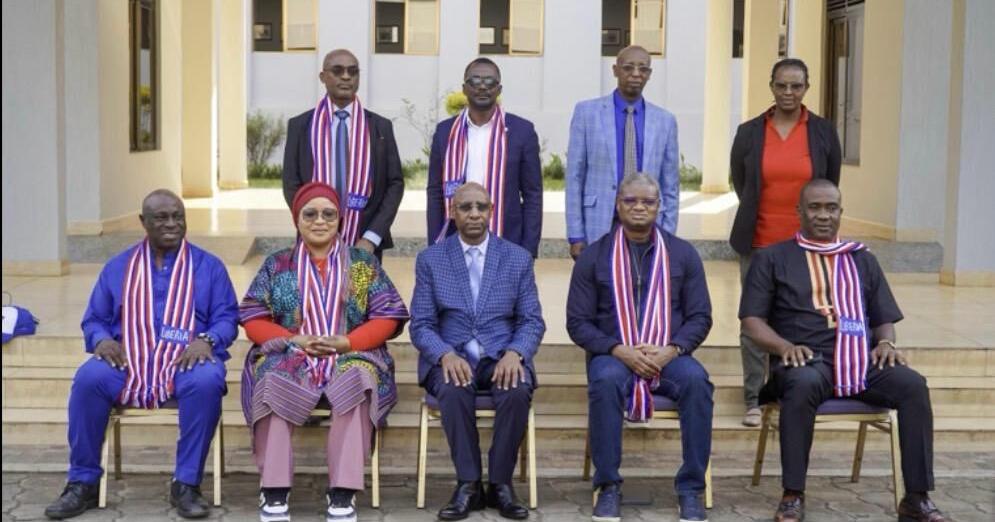
Liberia is taking concrete steps to transform the painful memories of its civil wars into a tool for national healing, reconciliation and peacebuilding, as a high-level government delegation concludes a study mission in Rwanda to gather lessons for the establishment of a proposed Liberia Peace, Reconciliation and Memorial Museum.
The mission, led by Minister of State without Portfolio Hadja Mamaka Bility and supported by the United Nations Development Programme (UNDP), forms part of President Joseph Nyuma Boakai’s broader effort to confront Liberia’s troubled past while building institutions capable of preserving the country’s history and strengthening national unity.
Rather than treating reconciliation as a political slogan, the Boakai Administration is seeking to establish a permanent national institution where experiences from Liberia’s conflict can be documented, preserved, studied and transmitted to generations that did not experience the war.
The initiative follows President Boakai’s July 2025 public apology on behalf of the Liberian State to victims and families affected by the country’s civil conflict, signaling an effort to move reconciliation from acknowledgement toward institution-building.
Minister Bility said the proposed museum is intended to ensure that Liberia’s history is not lost, distorted or forgotten.
“This study tour is part of President Joseph Nyuma Boakai’s vision for national reconciliation, with the support of UNDP. We want to move Liberia beyond simply talking about reconciliation to building strong institutions that can preserve our experiences, tell our story, and pass the lessons of our past on to future generations,” Bility said.
The proposed institution is envisioned as more than a conventional museum. It could serve as a center for historical documentation, research, peace education, reconciliation and public engagement.
For Liberia, where photographs, official records, personal testimonies and other materials relating to the country’s political and conflict history remain dispersed among government institutions, private collections and archives in Liberia and abroad, the project could provide a central mechanism for collecting and preserving national memory.
During the Rwanda phase, the Liberian delegation examined how Rwanda has used historical memory, reconciliation, citizenship education and community-based approaches to rebuild a society devastated by conflict and genocide.
The delegation visited and engaged institutions including the Gacaca archives and digitization program, Rwanda’s National Archives, the Campaign Against Genocide Museum, the University of Rwanda’s Centre for Conflict Management, the Rwanda Peace Academy and the Mutobo Demobilization and Reintegration Centre.
The engagements exposed the delegation to approaches for collecting, authenticating, digitizing and preserving historical materials—including photographs, films, documents and testimonies—that could otherwise disappear over time.
UNDP Liberia Resident Representative Ambassador Aliou Mamadou Dia said the museum initiative forms part of a wider partnership with the Liberian Government to strengthen peacebuilding, reconciliation and national unity.
“UNDP is working with the Government of Liberia to support the establishment of a Peace and Reconciliation Museum as part of the President’s broader reconciliation agenda. This study mission gives us an opportunity to learn from the experiences of other countries, document lessons that can be adapted to Liberia, and engage partners who can support the Government in moving this vision forward,” Dia said.
The mission also opened opportunities for technical cooperation between Liberia and Rwanda, including museum development and management, training for heritage professionals, preservation and digitization of historical records, peace education and technical exchanges.
Possible collaboration with Aegis Trust Rwanda, which has experience in genocide education, memorialization and peacebuilding, was also discussed.
With the Rwanda phase completed, the delegation is proceeding to South Africa to continue examining African experiences in national healing, reconciliation, peacebuilding and memorialization.
However, the initiative is not intended to reproduce the Rwandan model. Liberia will have to develop an institution rooted in its own history and the voices of victims, survivors, families and communities affected by the civil wars.
At its core, the proposed museum represents an effort to institutionalize Liberia’s national memory and use the lessons of the past to protect the future.
As the delegation moves from Rwanda to South Africa, the study mission is becoming part of a broader national conversation about how Liberia can remember its history honestly, honor those affected by conflict, promote healing and ensure that future generations understand the consequences of political violence.
Credit: Source link