

Liberia to Preside Over UNSC in December | News
In December 2026, Liberia will take its seat at the head of the United Nations Security Council table, presiding over the world’s most powerful body responsible for maintaining international peace and security.
The moment will mark a remarkable chapter in Liberia’s diplomatic journey: a country that once depended on Security Council resolutions to end war and sustain peace will now be responsible for guiding the Council’s work during one of its monthly sessions.
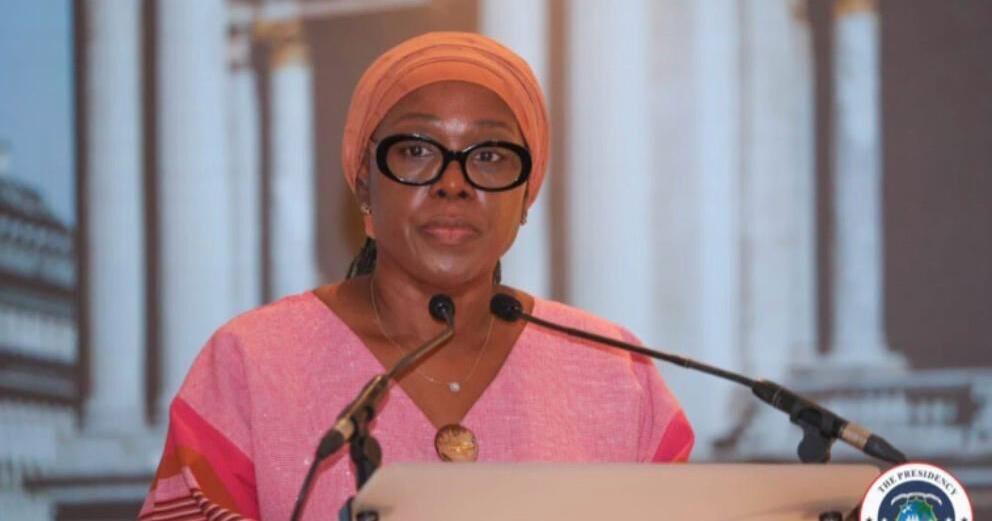
Foreign Minister Sarah Beysolow Nyanti announced the development following a special Cabinet briefing with Vice President Jeremiah Kpan Koung, describing it as an important opportunity for Liberia to contribute to international peace and security discussions at the highest level.
“This places Liberia at the center of global decision-making during a critical month on the Council’s calendar,” Nyanti said. “Liberia is performing strongly in its role, and we are preparing to make meaningful contributions to the Council’s work.”
Contrary to some public perceptions, Liberia was not separately elected to the presidency of the Security Council. Rather, the presidency rotates monthly among the Council’s 15 members in alphabetical order. Liberia’s turn comes in December 2026 as part of its two-year term as a non-permanent member of the Council, which runs from January 2026 through December 2027.
Yet the significance of the moment extends well beyond procedure.
For much of the period between 1989 and 2003, Liberia was a frequent subject of Security Council deliberations. The Council imposed sanctions, authorized peacekeeping interventions, and mobilized international support as Liberia struggled through years of civil conflict.
Following the signing of the Accra Peace Agreement in 2003, the Council established the United Nations Mission in Liberia (UNMIL), one of the most extensive peacekeeping operations in UN history. At its height, UNMIL deployed more than 15,000 peacekeepers and thousands of civilian personnel across the country, helping oversee disarmament, support elections, rebuild institutions, and restore stability.
For years, Liberia appeared before the Council as a country in need of international assistance.
In December, it will chair the very chamber where those discussions once took place.
As Liberia’s Permanent Representative to the United Nations, Lewis Garseedah Brown II, has observed, the country’s journey reflects a broader transition from post-conflict recovery to international responsibility.
The symbolism is powerful, but so too is the practical significance.
The Security Council presidency carries substantial influence. The presiding country chairs formal meetings and closed consultations, coordinates the Council’s monthly agenda, facilitates negotiations among members, and often uses its month in office to highlight issues of particular importance. During periods of international crisis, the Council president frequently serves as one of the most visible diplomatic voices at the United Nations.
Liberia arrives at the Council after securing a decisive diplomatic victory in June 2025, when it won 181 votes in the UN General Assembly to secure a non-permanent seat for the 2026-2027 term. The result reflected broad international support for Liberia’s candidacy and confidence in its democratic and diplomatic credentials.
President Joseph Nyuma Boakai described the election at the time as a defining moment in Liberia’s re-engagement with the international community.
That re-engagement has been years in the making.
Liberia’s democratic elections, peaceful transfers of power, and the successful completion of the UNMIL mission helped transform perceptions of the country from a recipient of international peacekeeping assistance to a contributor to international peace and security.
Since 2021, Liberia has deployed police officers and military observers to United Nations operations abroad, including missions in South Sudan, Mali, and Abyei, reinforcing its growing role in international peace efforts.
Diplomats also point to the leadership of Foreign Minister Nyanti as helping sharpen Liberia’s international profile. Drawing on her experience within the United Nations system, she has sought to position Liberia as a voice on issues where the country possesses hard-earned experience, including conflict prevention, peacebuilding, women in leadership, and post-conflict recovery.
Liberia has already outlined several priorities for its Security Council tenure, including women, peace and security; youth engagement in peacebuilding; the relationship between natural resources and conflict; climate-related security challenges; and reforms aimed at strengthening international peace architecture.
Nyanti has emphasized that Liberia intends to use its seat not only to advance national interests but also to amplify African perspectives within the Council.
“This is Africa’s seat,” Ambassador Brown has repeatedly stressed.
For many Liberians, the upcoming presidency represents more than a diplomatic assignment. It is a visible reminder of how far the country has traveled since the end of its civil wars.
Two decades ago, the Security Council was debating how to save Liberia.
In December, Liberia will help lead the debate on how to preserve peace and security around the world.
Credit: Source link