

Liberia: No Ebola in Liberia, but Capitol Hill Intensifies Oversight
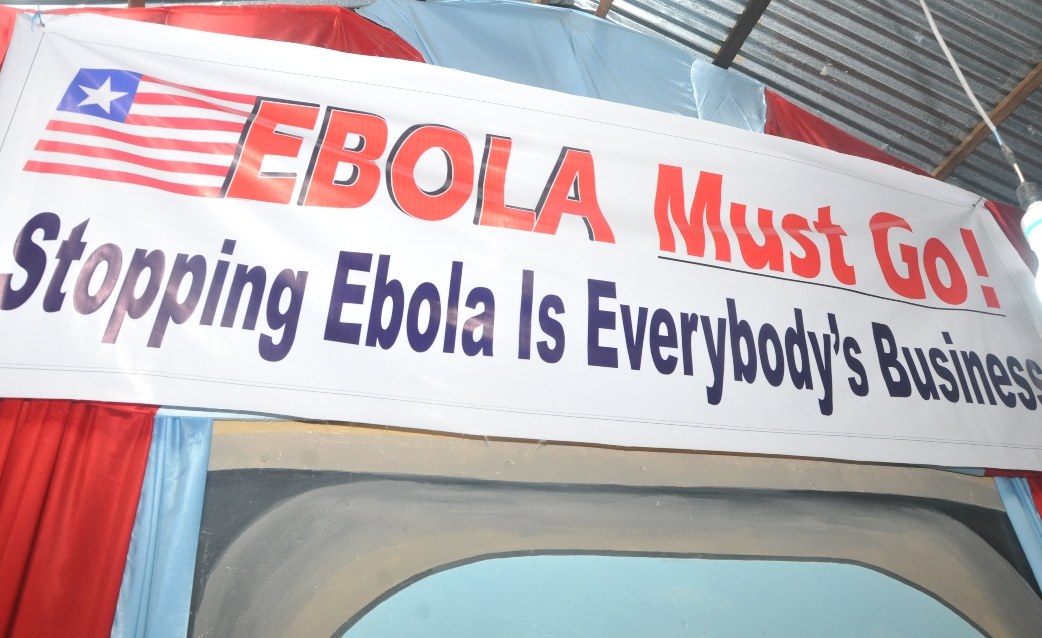
In spite of the clarity from the national government through the Ministry of Health, that no Ebola is confirmed to be in Liberia;however, the House of Representatives of Liberia has escalated legislative oversight of the country’s public health security framework by summoning senior officials from the Ministry of Health, Liberia and the National Public Health Institute of Liberia (NPHIL) to provide a comprehensive Situation Report (SITREP) on Liberia’s epidemic preparedness architecture and national health security posture.
The high-level appearance before plenary, scheduled for Tuesday, May 26, follows growing regional concerns triggered by confirmed Ebola Virus Disease (EVD) outbreaks in the Democratic Republic of the Congo and Uganda, coupled with heightened epidemiological surveillance alerts issued by the World Health Organization.
The motion was initiated by Dixon W. Seboe, Representative of Montserrado County District #16, and endorsed unanimously by lawmakers under the leadership of House Speaker Richard Nagbe Koon.
Despite recent public assurances from health authorities that Liberia currently has no suspected, probable, or confirmed Ebola cases, legislators say the evolving regional outbreak dynamics require proactive institutional accountability, strategic preparedness financing, and strengthened emergency governance mechanisms.
Follow us on WhatsApp | LinkedIn for the latest headlines
Heightened Health Security Concerns
Lawmakers are demanding detailed briefings on the operational status of Liberia’s Integrated Disease Surveillance and Response (IDSR) platform, Early Warning Alert and Response System (EWARS), Incident Management System (IMS), and Rapid Response Teams (RRTs).
The Legislature is particularly concerned about Liberia’s vulnerability to cross-border disease importation due to porous frontiers, informal migration corridors, high population mobility, and urban transmission exposure risks.
Health experts warn that any lapse in bio surveillance capacity, laboratory diagnostics, infection prevention and control (IPC), or contact tracing systems could undermine national epidemic containment efforts and place additional pressure on the country’s already fragile healthcare delivery infrastructure.
Authorities are also expected to provide updates on emergency stockpiling of personal protective equipment (PPE), laboratory biosafety compliance, genomic surveillance capabilities, emergency supply chain resilience, and Emergency Operations Center (EOC) coordination protocols.
Health experts note that epidemic preparedness is no longer solely a health-sector issue but a critical component of macroeconomic stability, investment confidence, and national resilience planning.
Liberia’s economy remains sensitive to public health shocks following the devastating socioeconomic consequences of the West African Ebola epidemic, which disrupted trade flows, weakened labor productivity, reduced foreign direct investment inflows, and strained fiscal expenditure frameworks.
Economists caution that renewed epidemic uncertainty in the region could adversely impact border commerce, aviation activity, supply chain logistics, and private-sector confidence if preparedness systems are perceived as inadequate.
Development partners and international financial institutions have increasingly linked health security preparedness to broader governance indicators, fiscal sustainability metrics, and disaster risk financing mechanisms.
Political observers describe the Legislature’s intervention as part of broader institutional efforts to reinforce transparency, interagency coordination, and public-sector accountability within Liberia’s national emergency preparedness ecosystem.
The upcoming hearing is expected to assess whether existing health security investments, donor-supported interventions, and international partnerships are translating into measurable operational readiness benchmarks.
Officials from the Ministry of Health and NPHIL are anticipated to outline ongoing collaboration with the Centers for Disease Control and Prevention (CDC), Africa Centres for Disease Control and Prevention, and WHO under the framework of the International Health Regulations (IHR 2005) and regional epidemic intelligence coordination initiatives.
Public health stakeholders continue to emphasize that sustained preparedness, community risk communication, and cross-border surveillance cooperation remain essential pillars in safeguarding Liberia against potential epidemic spillover threats.
Credit: Source link