

Liberia Hosts Africa College of Bishops Confab | News
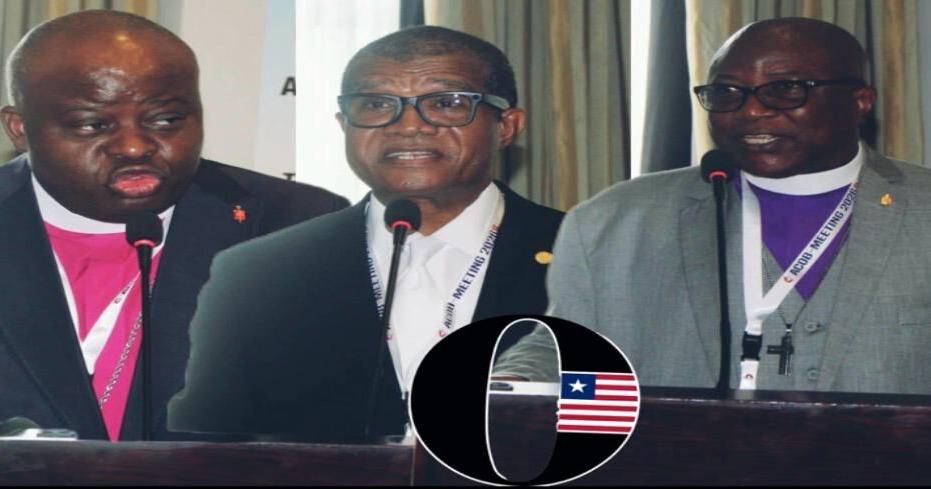
Liberia has opened the Africa College of Bishops, bringing together church and government leaders calling for stronger ecumenical cooperation, greater continental influence and sustainable leadership within Africa’s churches.
Hosted by the Liberia Annual Conference of the United Methodist Church at the Farmington Hotel in Margibi County, the gathering is being held under the theme, “Deepening Ecumenical Engagement, Expanding Continental Influence, and Strengthening Institutional Sustainability.”
The three-day session draws inspiration from Isaiah 54:2, particularly the call to “enlarge the space of your tent,” adopted as the college’s working motto: “Enlarge. Engage. & Endure.”
Delivering the keynote address, Rev. Dr. Samuel B. Reeves Jr., President of the Liberia Council of Churches, challenged African bishops to expand the church’s role beyond worship and deepen its contribution to education, health care, peacebuilding, governance and social development.
Drawing on Liberia’s history of conflict and recovery, Reeves urged church leaders to move ecumenism beyond symbolic unity toward coordinated action on poverty, violence, migration and youth unemployment.
He also called for deliberate investment in women and young leaders, stressing that the future strength of African churches depends on developing the next generation of leadership.
Reeves identified spiritual grounding, financial stewardship, leadership succession and innovation as four pillars of institutional endurance. He encouraged churches to responsibly embrace emerging technologies, including artificial intelligence and digital tools.
He challenged delegates to consider three questions: what they imagined, whom they brought with them and what they chose to leave behind.
Roman Catholic Archbishop of Monrovia Gabriel Blamo Snosio Jubwe welcomed the college to Liberia, describing African churches as having moved from a “missionary phase” into an era of local, African leadership.
He said the transition carries a responsibility to preserve and strengthen the faith while ensuring that churches have the resources needed to serve future generations.
Associate Justice Jamesetta Wolokollie of Liberia’s judiciary urged bishops to prioritize young people and strengthen the church’s community-level role in preventing conflict.
She said a church deeply rooted in communities could promote mutual respect and peaceful coexistence, potentially reducing conflicts that eventually reach the courts.
Liberia’s Minister of Justice and Attorney General, Cllr. N. Oswald Tweh represented President Joseph Nyumah Boakai, who was unable to attend due to state matters.
Tweh described Liberia as “the very cradle of African United Methodism” and credited nearly two centuries of United Methodist partnership with contributing to the country’s education, health care, agriculture and social welfare systems.
He called on the church to serve as a “conscience for governance,” supporting human rights, anti-corruption efforts and reconciliation across Liberia and the continent.
The gathering is also addressing practical challenges facing African churches, including governance, funding, leadership succession and generational transition.
For Liberia, hosting the Africa College of Bishops carries particular historical significance because of the country’s longstanding relationship with the United Methodist Church and its contribution to African Methodism.
As deliberations continue in Margibi County, church leaders are expected to explore practical ways to strengthen ecumenical relationships, expand the church’s continental influence and build sustainable institutions.
The gathering ultimately challenges Africa’s churches to enlarge their vision, engage more deeply with their communities and endure by building institutions capable of serving future generations.
Credit: Source link