

‘Lethal and Illegal Economic Aggression’: Trump, Rubio Rebuked for New Sanctions on Cuba
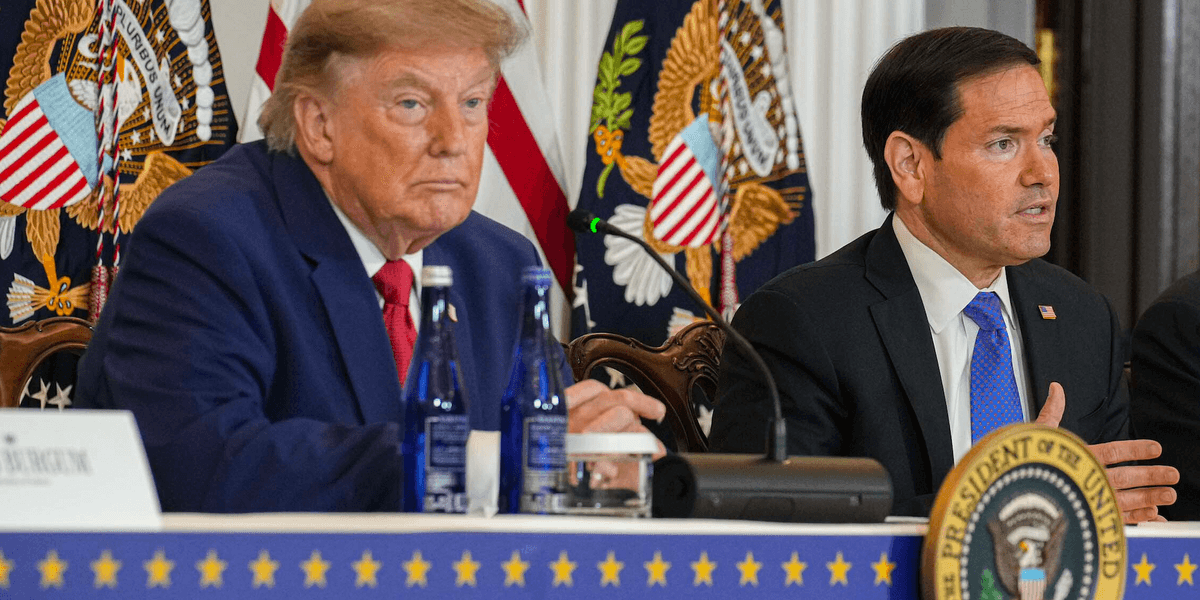
The Trump administration on Thursday intensified its campaign of economic pressure against Cuba, imposing sanctions on nine state-owned companies and three officials—a move critics condemned as an escalation of a decadeslong embargo amid a worsening humanitarian crisis.
“The Cuban regime has long sponsored a vast subversive network in the United States aimed at identifying, cultivating, and radicalizing subversives, largely operating under the pretext of educational or cultural exchange,” US Secretary of State Marco Rubio dubiously claimed. Citing an executive order issued by President Donald Trump in May, he announced new sanctions against entities including the Cuban Ministry of Construction and the mining group GEOMINSAL.
Also sanctioned were three leaders of the Cuban Institute of Friendship with the Peoples, an international solidarity group, including ICAP president Fernando González Llort, a member of the so-called Cuban Five who served 15 years behind bars in the US after being convicted—critics say unfairly—of espionage in 2001 for infiltrating exile groups plotting terrorist attacks targeting Cuba’s socialist government.
“The Trump administration will not stand by while a hostile foreign power seeks to exploit our freedoms—none of which are afforded to its people—by misleading and corrupting American citizens with lies, spy tradecraft, and other malfeasance as part of the regime’s raison d’être of exporting Marxism, racial resentment, and communist violence across the world,” Rubio said.
Rubio—who has falsely claimed that his parents fled communism in Cuba when they actually emigrated during an earlier US-backed dictatorship—added that the new sanctions “make clear that the Trump administration will not tolerate the Cuban regime’s efforts to fund its repression or continue its decadeslong campaign of subversive anti-American activities.”
Responding to the fresh sanctions, Cuban Foreign Minister Bruno Rodríguez accused Rubio of having a “failed obsession against Cuba” and seeking to “punish Cuban companies with the deliberate purpose of harming our economy and preventing the government of Cuba from guaranteeing basic services to the population, which are already in a critical situation as a result of the blockade.”
Cuban Ambassador to the United Nations Ernesto Soberón asked on social media: “What is [Rubio] afraid of? If he’s so convinced that the Cuban government is incompetent, why does he need to impose new sanctions that collectively punish the Cuban people and also attempt to prevent Cuba’s trade relations with third parties?”
The Center for Economic and Policy Research (CEPR), a Washington, DC-based think tank, accused the US administration of “escalating its lethal and illegal economic aggression against Cuba.”
CEPR research associate Pedro Labayen Herrera said in a statement that “these sanctions are the latest move in a more than 60-year US economic siege on Cuba, which has intensified since January’s naval blockade, an overt and illegal act of war.”
“By targeting the island’s mining, metals, construction, and trade sectors, the administration will further restrict the Cuban government’s ability to manage a deliberately designed crisis that UN experts recently warned could become a ‘silent Gaza,'” he added.
The United Nations General Assembly has overwhelmingly condemned the broader US economic blockade of Cuba 33 times.
The new US measures follow months of escalating aggression against Cuba by the Trump administration, including threats and reported preparations to attack, an oil blockade that critics say is causing the deaths of infants and sick people, and a Department of Justice (DOJ) indictment of former President Raúl Castro for his alleged role in the 1996 shoot-down of planes operated by a hostile US-based counterrevolutionary group following repeated warnings that they had violated Cuban airspace.
The oil blockade has hit especially hard given the January US invasion of Venezuela—which supplied between one-third and half of Cuba’s energy needs—and abduction of President Nicolás Maduro and his wife.
The Trump administration also reinstated Cuba on the US State Sponsors of Terrorism list, from which former President Joe Biden removed the country before leaving office in 2021. Cuba was initially added to the list during the Reagan administration amid a decadeslong campaign of US-backed Cuban exile terrorism, failed assassination attempts, economic warfare, and covert operations large and small in a futile effort to overthrow the government of longtime revolutionary leader Fidel Castro.
The fresh sanctions follow last month’s State Department report baselessly claiming that Cuba aims to “conquer” the United States and is backing “left-wing terrorism on American soil” while using dozens of US civil society groups, activists, journalists, and elected officials to further Havana’s supposedly nefarious goals.
“Rather than publishing unfounded, far-fetched claims of a Cuban-led campaign to subvert the United States as a pretext for military action against Havana, Washington should recognize that over half a century of strangulation has failed to bring about regime change,” Herrera said on Thursday. “Instead, US policy has crippled the country’s economy and healthcare system, depriving its people of a dignified life and contributing to significant levels of out-migration.”
“The Trump administration must lift all sanctions, respect Cuban sovereignty, and engage diplomatically,” he added, “or risk further immiserating the Cuban people and widening a crisis that will reverberate throughout the hemisphere.”