

Lessons we could all learn from the 2026 Fifa World Cup
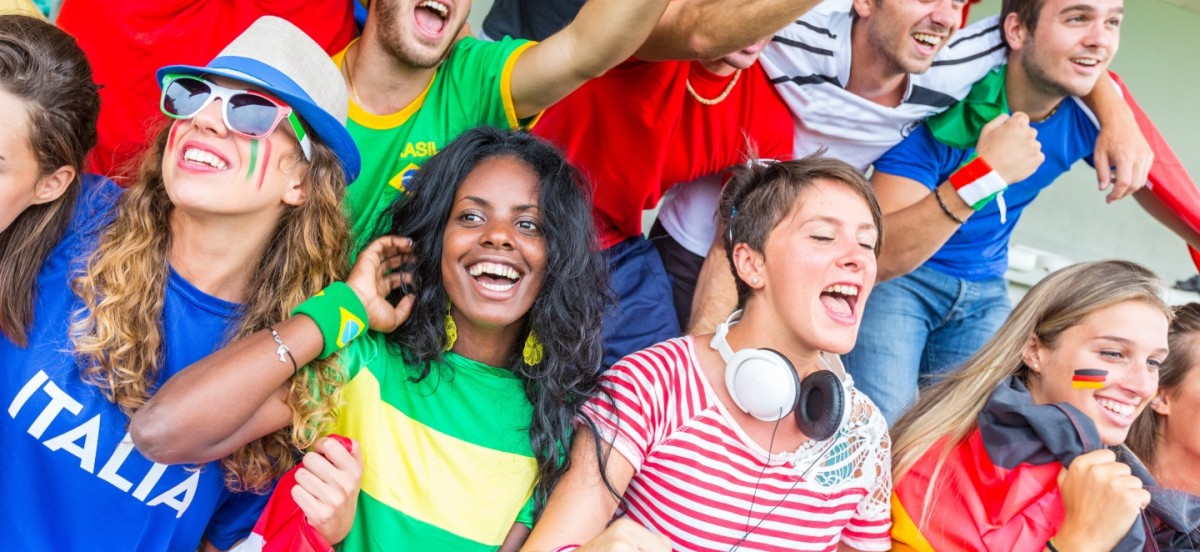
In the summer of 2026, as the world’s gaze fixed on North America for the largest Fifa World Cup in history, a quiet but profound truth unfolded on pitches, in newly constructed stadia, in team dugouts and across balance sheets. Migration is not a crisis to be halted by executive orders or rhetorical walls. It is the lifeblood of modernity, the engine of excellence and an unstoppable force of history that delivers tangible economic value. Those who rail against it — Donald Trump, Nigel Farage and their fellow nativists — resemble King Canute, futilely commanding the tide to retreat.
The data from this tournament does not merely suggest they are wrong. It demonstrates that they are relics, stranded on the wrong side of history.
Infrastructure upgrades
Consider first the infrastructure that made the tournament possible. Across the US, Canada and Mexico, immigrant labour — legal and undocumented — formed the backbone of stadium renovations, hospitality upgrades and event operations. Foreign-born workers constitute nearly 30% of the US construction workforce, with even higher concentrations in key trades and host states like California and Texas. Undocumented workers, often from Latin America but part of a broader migrant ecosystem, fill essential roles that native labour shortages cannot meet. Without this migrant contribution, the physical delivery of the World Cup would have been severely constrained.
Economic factor
The economic returns are substantial. Fifa and independent analyses project that the 2026 tournament could generate over US$40 billion in global GDP impact, supporting hundreds of thousands of jobs. For the host nations, the boosts are meaningful: estimates suggest around US$6 billion to US$17 billion for the US, US$1 billion to US$3 billion for Mexico and over US$1 billion for Canada, driven by tourism, hospitality, spending by fans and teams, and related activity. These figures underscore how migration-fuelled preparation and execution translate into concrete monetary gains for hosting economies — tourism surges, infrastructure utilisation and multiplier effects in services and retail.
Players rule
On the pitch, the numbers were even more striking. Nearly one in four of the 1,248 players were born outside the country they represented — a record high. This is no anomaly: foreign-born players formed the majority in eight squads, with extreme cases like Curaçao (96%) and Morocco (73%). Forty of 48 teams fielded at least one such player. Migration, whether early-life movement for academies or diaspora connections, enriched the beautiful game, elevating standards and enabling smaller nations to compete while indirectly supporting the ecosystem that generates billions in broadcasting, sponsorships and global revenue (Fifa’s cycle is projected at over US$13 billion).
The benches and backrooms tell the same story. Over half the teams are led by foreign head coaches, with support staff — including trainers, fitness experts, analysts and medical teams — drawing on international talent for specialised expertise. This circulation of human capital amplifies performance and innovation, contributing to the tournament’s overall economic and cultural value.
These figures are not abstract. They embody how migration drives human and economic progress. Players, coaches, staff and workers bring diverse skills that foster excellence and generate monetary returns for hosts and participating nations alike.
The 48 competing countries benefited from heightened global visibility, potential talent development and shares in the broader economic ecosystem. Far from a threat, this mobility enriches societies economically, culturally and athletically. It reflects globalisation’s realities: interconnected labour markets, transnational families and a world where talent seeks opportunity.
Trump’s mass deportation rhetoric, Farage’s anti-migrant crusades and similar populist movements attempt to dam this tide. They evoke a mythical homogeneous past while ignoring the billions in value created through openness. Like Canute on the shore, they perform defiance against inexorable forces. History’s verdict is already clear: economies, empires and sporting spectacles thrive on openness; closure breeds stagnation.
The 2026 Fifa World Cup was more than a mere sporting tournament. It was a mirror to our age — and a ledger of gains. Migration is not peripheral. It is central to delivering excellence and economic value. Those who oppose it are not defending sovereignty. They are tilting at windmills, backward-looking in a forward-moving world.
The tide advances, carrying prosperity with it. Wise leaders adapt and harness it. The rest risk being swept aside.
Inderjeet Parmar is professor of international politics and associate dean of research at City St George’s, University of London’s School of Policy and Global Affairs. He is currently writing a book on the history, politics and crises of the US foreign policy establishment.
This article first appeared on Aug 10, 2026 in The Edge Malaysia.
Crédito: Link de origem