

Lassa fever claims 252 lives in Nigeria in eight months
The latest cases were recorded between August 10 and August 16, in Ondo, Bauchi, Edo and Benue states, according to the situation report made available in Abuja on Tuesday.
According to the agency, cumulative deaths increased to 252, while the case fatality rate rose to 24.4 per cent, higher than the 18.6 per cent recorded in 2025.
“The 14 new cases represented an increase from four cases reported during epidemiological week 32, when cases were recorded in Ondo and Edo states.
“In week 32, cumulative infections reached 1,021, with 240 deaths and a case fatality rate of 23.5 per cent,” it said.
The agency said that the week 32 figure represented a decline from 17 confirmed cases recorded during epidemiological week 31, indicating fluctuations in weekly transmission.
“By week 33, 23 states had reported at least one confirmed Lassa fever case across 117 local government areas.
“Bauchi, Ondo, Taraba, Benue and Edo states accounted for 87 per cent of all confirmed cases recorded cumulatively by week 33.
“The five states also accounted for 86 per cent of confirmed cases in week 32, maintaining their position as the major affected states.
“People aged 21 to 30 years remain the predominant age group affected by Lassa fever during both reporting weeks,” the agency said.
According to the NCDC, no new healthcare worker infection was recorded during week 32, while week 33 also recorded no newly affected healthcare worker.
It said that the agency would continue surveillance and response activities as Lassa fever remained a significant public health concern across affected states.
The ICIR reports that Lassa fever kills scores of Nigerians yearly, with the Nigerian government often appearing helpless to contain the crisis.
Between January and June 29, 2025, Nigeria recorded 790 confirmed cases of Lassa fever and 148 deaths, according to a situation report by the (NCDC).
A situation report by the NCDC revealed that 806 cases of Lassa fever were recorded across the country in the first quarter of 2024.
Also, the NCDC report, analysed by The ICIR, showed that the virus killed 150 people within the period.
The Centre said Nigeria might have recorded the highest number of Lassa fever cases in 2023, with 8,542 suspected cases, 1,170 confirmed cases, and 200 deaths across 28 states.
The confirmed cases reported that year indicated a 9.7 per cent increase from those reported in 2022.
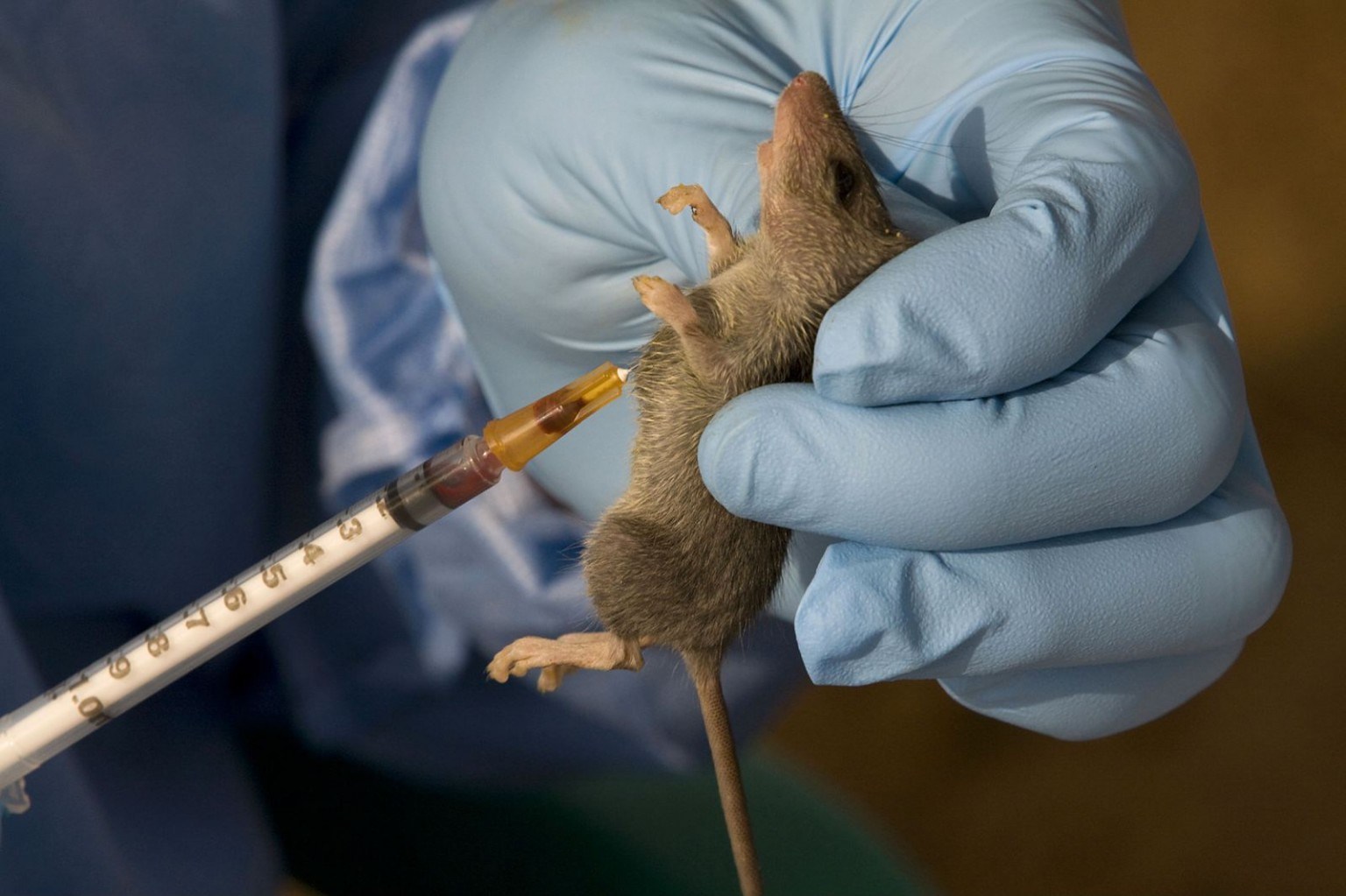
NCDC describes Lassa fever, which causes acute viral haemorrhagic fever, as a virus caused mostly by the type of rodents known as the multimammate rat or the African rat.
Its symptoms include fever, headache, sore throat, general body weakness, cough, nausea, vomiting, diarrhoea, muscle pains, chest pain, and, in severe cases, unexplainable bleeding from ears, eyes, nose, mouth and other body openings.
Credit: Source link
Comments are closed.