

Kevin Hart confirms Hartbeat cut 25% of staff but is not closing
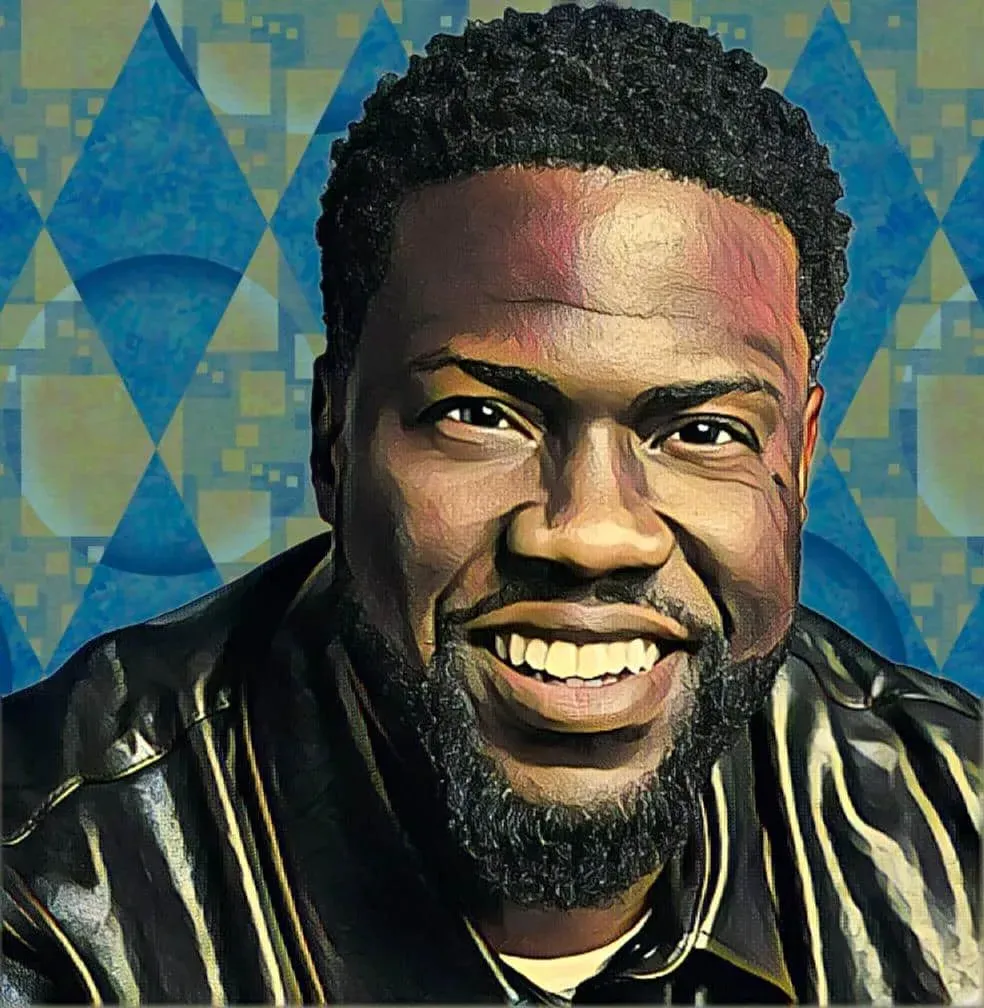
Kevin Hart confirmed on The Breakfast Club that his entertainment company Hartbeat has cut nearly 25 percent of its workforce, changed his phone number in the aftermath of the layoffs, and left day-to-day operations to his senior leadership team, but he pushed back firmly against reports that the company is headed toward closure.
“Hartbeat is never going anywhere,” Hart told hosts Charlamagne Tha God and Loren LoRosa during the podcast appearance. He acknowledged the downsizing directly and defended it as sound business practice. “My executive team is still there. My team of creatives are still there. Did I reduce? Yes. My company was too big. I don’t need 80 people to operate how we’re operating now. Downsize. Save the money. Save the money.”
He framed the cuts as a deliberate strategic decision rather than a sign of distress, pointing to broader Hollywood trends. “Why is Netflix laying off people but Hartbeat’s maintaining the masses? It’s called operation because. So when you’re thinking about a business, make the best decisions on behalf of the business.”
The context behind his remarks is more turbulent than that framing suggests. Bloomberg’s investigation, published in May and subsequently republished by the Los Angeles Times, described Hartbeat as a company that had shriveled from a once-valued $650 million media operation into something significantly smaller and more fragile. Current and former employees told Bloomberg that Hart had effectively vanished from the office and was not involved in day-to-day decisions, leaving operations to his longtime lieutenant Jeff Clanagan and CFO Eric Stoneburner. Hart changed his phone number after the layoffs, cutting off easy contact with employees who had been let go.
The recent cuts hit specific creative divisions that had been central to Hartbeat’s original ambition. Executives working on a Barbershop television adaptation for Amazon were among those affected, as were staff involved in a second season of the animated series Lil Kev. The podcast division also saw reductions. These were not back-office cuts. They were the creative teams building the content that was supposed to justify Hartbeat’s $650 million valuation.
Hartbeat’s leadership instability predates the most recent round of cuts. Two CEOs left the company within 15 months after Hart founded Hartbeat in 2022 through the merger of his Laugh Out Loud comedy platform and HartBeat Productions, with Abry Partners investing $100 million at the $650 million valuation. Hart himself stepped in as CEO in January 2025 after the second departure, following what Bloomberg described as differences of opinion over strategic direction, though both executives reportedly left on good terms. Scripted television and podcast executives were also cut in subsequent rounds.
Hart’s January 2026 deal with Authentic Brands Group, which received licensing rights over his name, image and likeness in exchange for cash used partly to buy out Abry Partners, was described by Bloomberg as a turning point that signalled the end of Hartbeat as a standalone production company. Hart presented it differently on The Breakfast Club, framing the Authentic arrangement as a strategic decision that allows him to operate more efficiently rather than an exit from the media business.
His personal commercial trajectory remains strong independent of Hartbeat. Gran Coramino tequila, his premium spirits brand developed with Juan Domingo Beckmann of Jose Cuervo’s parent company, hit $200 million in cumulative retail sales. His Netflix stand-up specials continue to perform. The Netflix roast in his honour generated significant engagement in May 2026. Hart’s brand, built over two decades of stand-up, film and television, is not in question. What The Breakfast Club appearance addressed was the institutional story behind it, and whether a company that once employed 80 people and carried a $650 million valuation can credibly redefine itself as a leaner, smarter operation rather than a retreat.
Hart’s answer, delivered with the same directness he brings to his stand-up, was yes. “When you’re thinking about a business, make the best decisions on behalf of the business,” he said. Hartbeat’s former employees, many of whom learned about their layoffs before Hart changed his number, may view those decisions differently.
Crédito: Link de origem