

Is the 2026 World Cup distribution unfair? The United States dominates the schedule and Mexico reacts
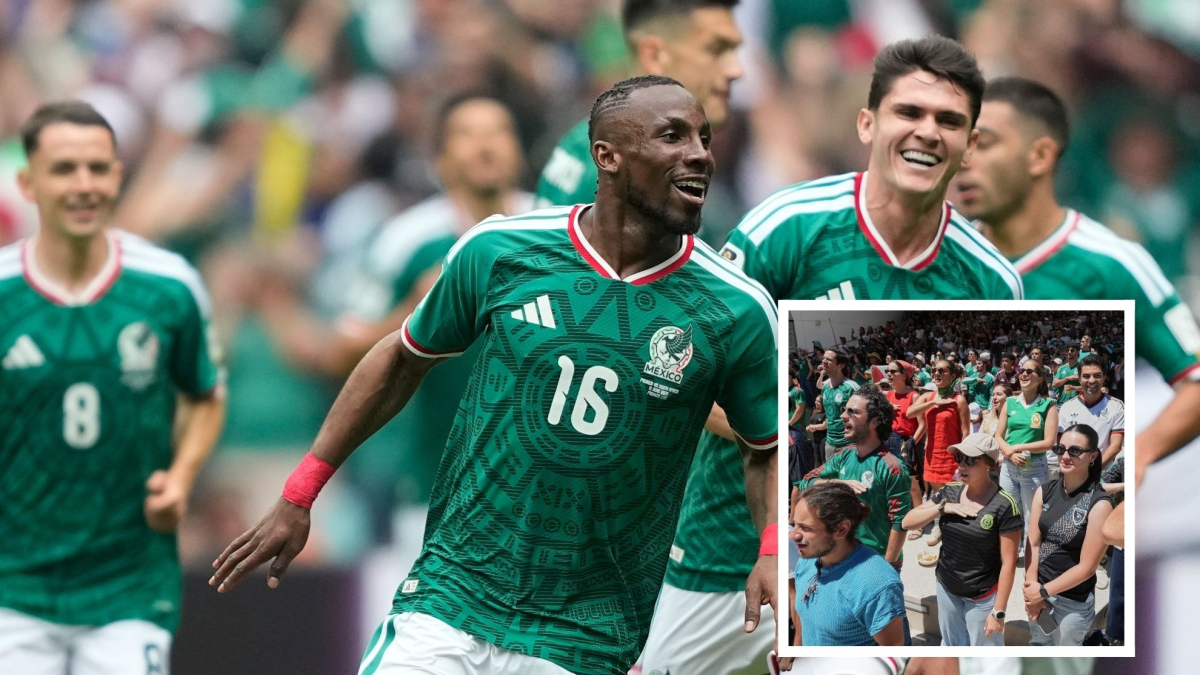
The 2026 World Cup is now underway, with its opening taking place on June 11 at Mexico City Stadium, where Mexico’s national team began its campaign with a 2-0 victory over South Africa. The atmosphere in the capital was one of the most talked-about moments of the tournament’s opening days: packed streets, flags everywhere, mass celebrations and a reaction that quickly turned into an international trending topic.
That highly symbolic start did not only mark the sporting beginning of the competition, but also opened the door to a discussion that has been growing ever since.
From that point on, attention shifted away from what was happening on the pitch and toward a particular question.
Influencer Arky goes wild in the stands as Mexico scores the first goal of the 2026 World Cup
Why does the United States host more matches?
The 2026 World Cup is the first in history to feature 48 teams and three host countries: Mexico, the United States and Canada. Within that structure, the United States holds the largest share of the schedule with around 78 matches, including the tournament final.
The official explanation for this distribution is mainly based on infrastructure and logistics: larger stadium capacities, a greater number of available venues and a transport network designed to handle the bulk of the event. On top of that, the commercial weight of the tournament positions the United States as the central hub of the competition’s later stages.
In contrast, Mexico will host 13 matches across Mexico City Stadium (formerly Azteca), Guadalajara Stadium and Monterrey Stadium.
From Mexico’s celebration to a growing debate among fans
With that context on the table, the opening ceremony in Mexico reinforced a feeling that had already been building among fans: the country’s impact on the World Cup atmosphere is hard to match.
However, that same excitement also fueled more direct and heated comparisons. On social media, some fans pointed out that after witnessing the intensity of the opening in the capital, the match distribution feels unbalanced compared to the level of prominence given to the United States.
Some even imagined alternative scenarios, including the idea of the final being played at Mexico City Stadium, taking into account the crowd response and the historic significance of the venue.
Fans
Beyond the debate, the schedule is already set and each host nation plays a different role within the tournament. Mexico will still host group-stage matches as well as key knockout-round games.