

Iraq takes over refugee identity registration from UNHCR
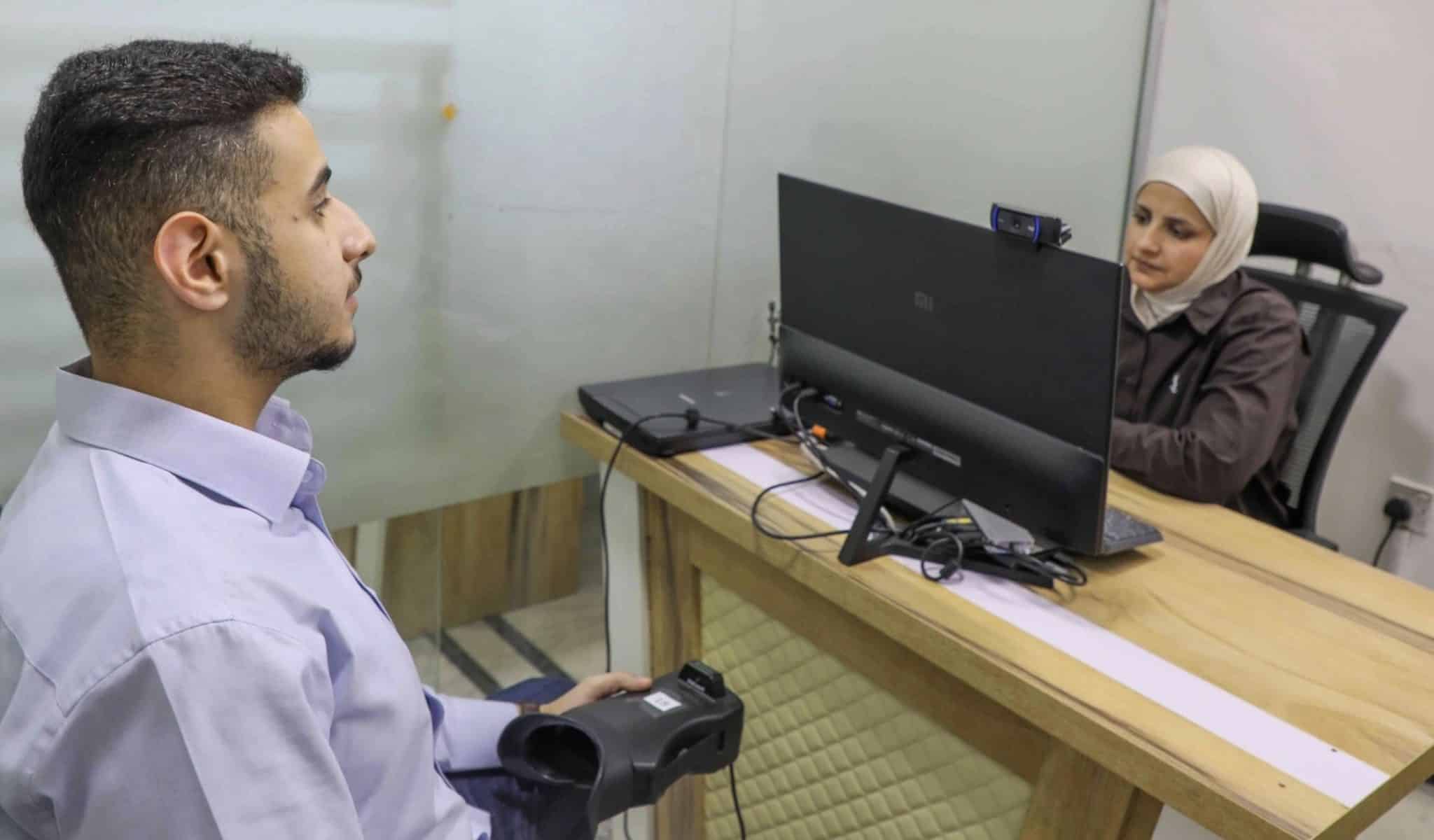
Iraq is assuming responsibility for refugee and asylum-seeker registration, taking over a process previously led by UNHCR.
The Ministry of Interior’s Permanent Committee for Refugee Affairs (PC‑MOI) has begun issuing official identity cards to refugees and asylum seekers as part of a phased transition to nationally managed registration.
The process has families booking appointments through UNHCR’s online portal. They receive referral letters before completing registration at PC‑MOI. Biometric data is collected during registration as part of the process for issuing government identity documentation.
Officials verify documents and conduct short interviews. The PC‑MOI cards can be issued within minutes. For refugees the card provides recognized legal identity, reduces risks of arrest or detention, and opens access to healthcare, education and other services.
Mobile registration missions and home visits ensure those outside Baghdad or with limited mobility are included. Brigadier General Nadhim Abdullah Ahmed, PC‑MOI Secretary, said the process takes about 15 minutes, supported by UNHCR’s database tools.
Transition to nationally managed refugee identity
The transition reflects years of partnership between Iraq and UNHCR, backed by donors such as the EU and governments including Sweden, Germany, Denmark and Norway.
The joint registration process was launched in April 2026 with the expectation that responsibility for asylum registration would gradually transfer from UNHCR to the Iraqi government.
The transition reflects a broader trend in which governments, including Ethiopia and Rwanda, are integrating refugee registration into national digital identity systems, shifting responsibility for identity management from international agencies to sovereign institutions while expanding access to public services.
Article Topics
biometrics | civil registration | identity management | Iraq | legal identity | refugee registration | UNHCR