

Iraq seeks Iranian guarantees for Hormuz oil transit
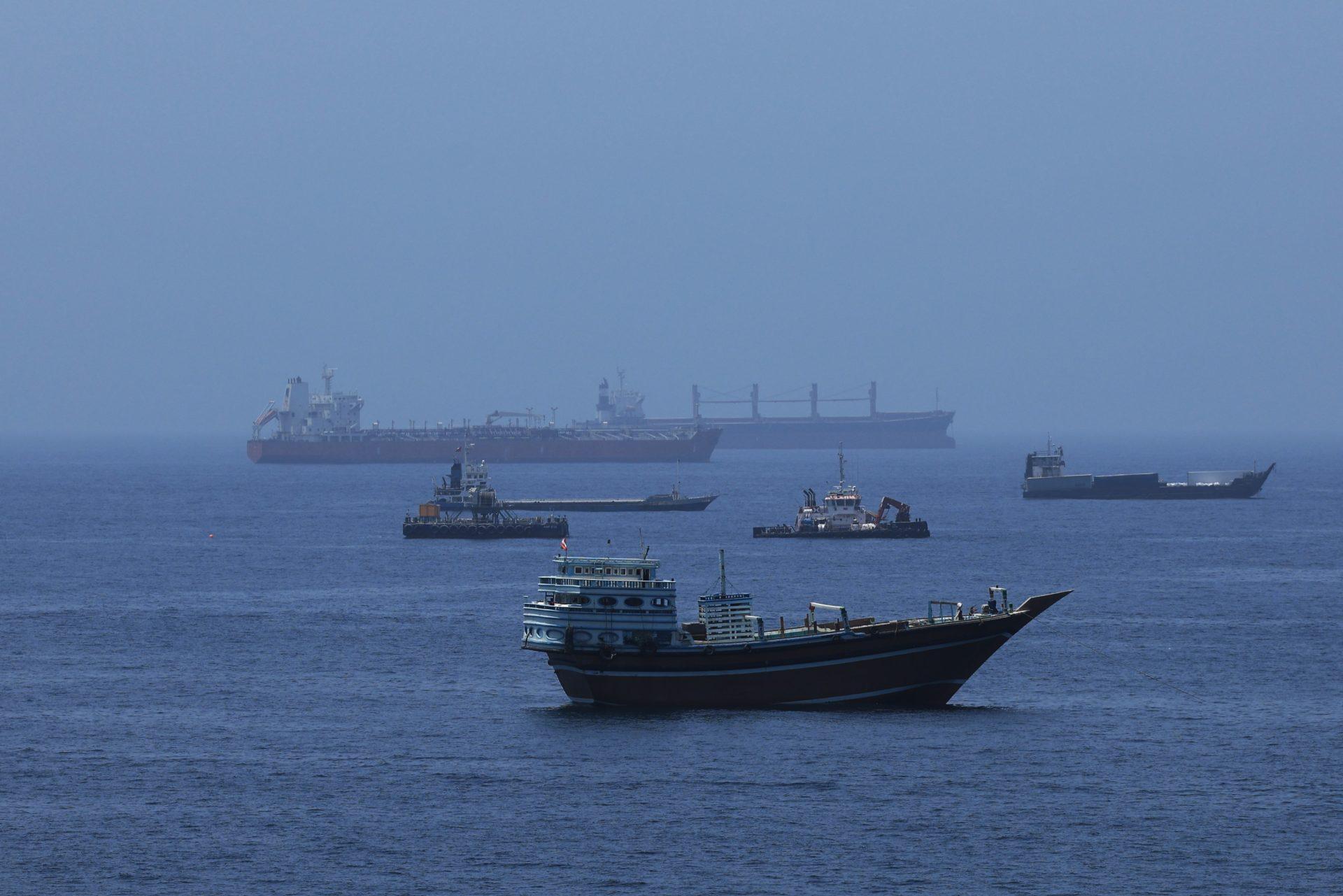
BAGHDAD, Iraq (MNTV) — Iraq is negotiating with Iran to ensure the uninterrupted passage of its oil tankers through the Strait of Hormuz, as regional tensions continue to threaten one of the world’s most important energy shipping routes.
Oil Minister Bassem Mohammed Khudair said Iraqi officials are engaged in political and economic discussions with Tehran aimed at securing safe transit for Iraqi crude exports.
He expressed confidence that the two countries could reach an understanding in the coming days to protect the movement of Iraqi oil shipments.
The negotiations follow remarks by government spokesperson Haider al-Aboudi, who said Baghdad had previously received assurances from Iranian President Masoud Pezeshkian that Iraqi oil tankers would be exempt from restrictions in the strategic waterway.
Al-Aboudi later acknowledged that such an exemption had not yet been implemented, saying Iran continues to regard the Strait of Hormuz as a key source of leverage amid the ongoing regional crisis.
Khudair said the issue was discussed during Prime Minister Ali al-Zaidi’s recent diplomatic engagements, with both sides focusing on measures to facilitate Iraqi oil exports through the waterway.
Separately, the minister announced that Iraq and Turkey signed an agreement on Aug. 1 extending their existing oil cooperation arrangements for another year while negotiations continue on a long-term framework for energy cooperation.
According to Khudair, the agreement will help maintain crude exports from oil fields in the Kurdistan Region and support Baghdad’s plan to transport part of southern Iraq’s production through the country’s northern pipeline network.
The government aims to raise exports through the northern route to more than 700,000 barrels per day, he said.
Khudair added that Iraq’s recent diplomatic engagements with neighboring countries have also focused on strengthening economic partnerships and concluding new memoranda of understanding to expand regional cooperation.
He said Baghdad’s economic strategy prioritizes greater investment and stronger regional ties, while additional revenue generated from higher oil exports and improved agreements with international energy companies will be directed toward infrastructure development, including healthcare, education, transportation and workforce training.