

Iraq remains Iran’s economic channel amid US sanctions — Jerusalem Post
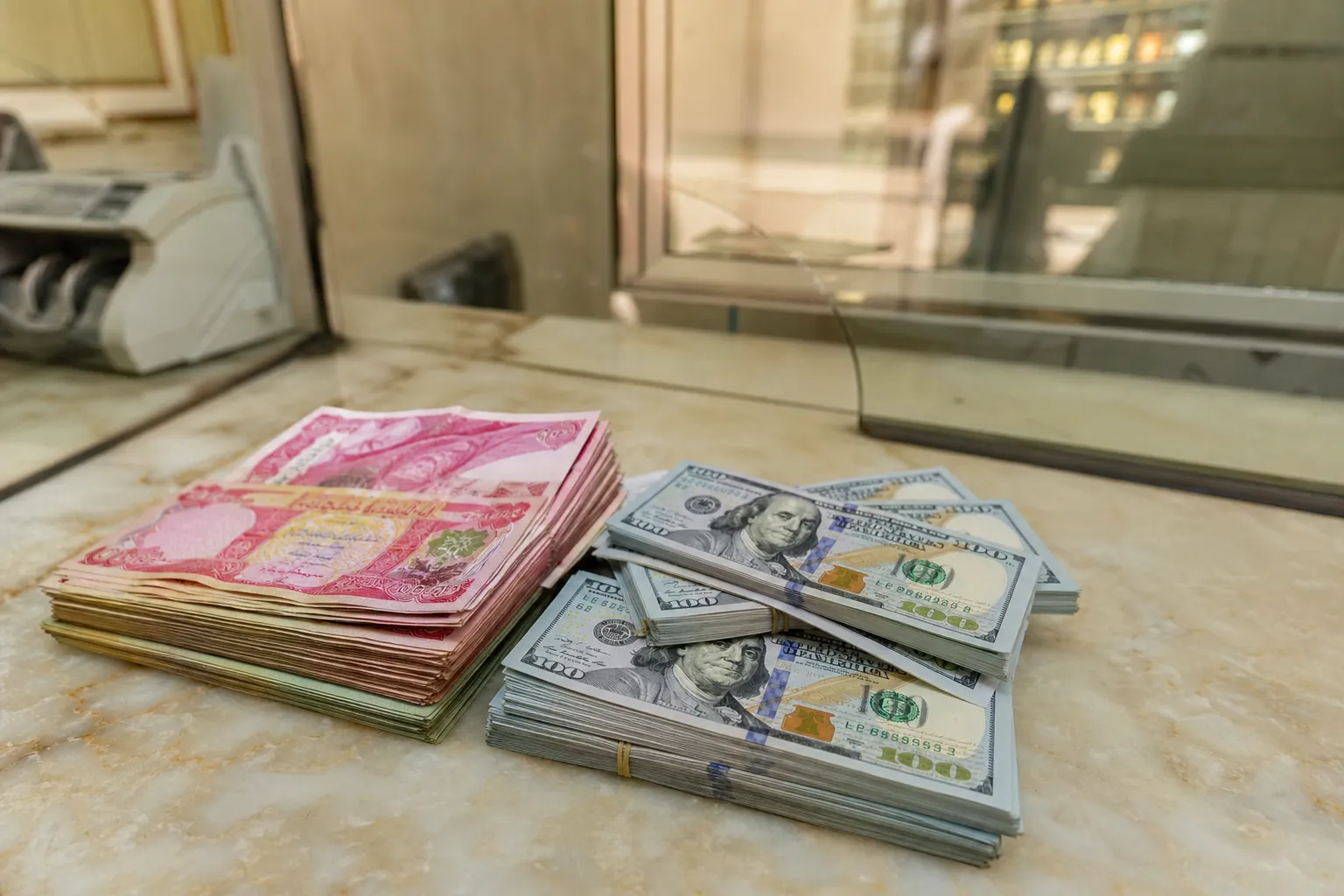
Iraq remains one of Iran’s key regional economic and financial channels amid increased US pressure on Tehran and entities Washington accuses of supporting it. Close political and trade ties between the two countries, as well as the influence of Iran-backed armed groups over certain sectors of the Iraqi economy, give Tehran access to trade routes, the currency market and commercial networks, The Jerusalem Post writes.
Iraqi Prime Minister Ali al-Zaidi pledged to place the weapons of Iran-backed groups under state control by September 30. At the same time, Iraqi officials and analysts reported slow progress, while the United States continued pressuring Baghdad to strengthen oversight of dollar transactions and the banking system.
Restrictions on dollar transactions
Iraq and Iran share an approximately 1,600-kilometer border with official crossing points and long-standing informal trade routes. US authorities documented the use of Iraqi banks and currency exchange mechanisms to move dollars to Iran and Iran-linked Iraqi armed groups.
In December 2023, the US Department of the Treasury said that Al-Huda Bank used access to US dollars to support the Quds Force of the Islamic Revolutionary Guard Corps and the Iraqi groups Kataib Hezbollah and Asaib Ahl al-Haq. The bank’s owner was also accused of using shell companies and forged documents to circumvent restrictions on currency purchases and international transfers.
US restrictions narrowed the ability of some Iraqi banks to conduct dollar transactions but did not eliminate incentives for illegal currency trading. The official rate set by the Central Bank of Iraq is 1,300 Iraqi dinars per dollar, while the dollar costs more on the parallel market.
More current news is available on the UA.News Telegram channel Telegram.
Trade and suspicions of sanctions evasion
Former Iraqi banker Ali Hamza told The Media Line that it is difficult to determine the volume of funds smuggled from Iraq to Iran. According to him, such flows declined after the US restrictions but did not stop. He also said that transfers may use accounts at Iraqi, Lebanese and other banks registered to Iranian citizens or individuals whose ultimate beneficiaries are difficult to establish.
Iranian customs statistics estimated non-energy trade with Iraq at more than $7 billion in the first seven months of 2024. Official Iraqi statistics for all of 2024 recorded about $3.1 billion in non-energy imports from Iran. The article notes that the difference may be explained by differences in national accounting systems and trade classifications. According to Trade Map, Iraq exports goods worth approximately $2.2 billion to Iran each year.
An anonymous source at Iraq’s Ministry of Industry and Minerals told The Media Line about growing operations to repackage Iranian goods in the industrial zones of Karbala and Najaf. Another source familiar with oil export operations said Iraqi and Iranian oil may be blended to conceal its origin. In May 2026, the US Treasury added Iraqi Deputy Oil Minister Ali Maarij al-Bahadli to its sanctions list, accusing him of facilitating the diversion of Iraqi oil products and the blending of Iranian and Iraqi oil before export.
Presence of Iranian businesses
In August 2025, the Erbil Chamber of Commerce and Industry reported that 395 Iranian companies operated in Iraqi Kurdistan, including 200 in Erbil. They are represented in construction, trade, imports and exports, the food industry and energy. Iraqi economists interviewed by the publication believe that illegal currency transfers, possible trade fraud and preferences for Iranian goods could increase pressure on the Iraqi dinar and create a risk of additional financial restrictions for Iraq.
Download our app
