

In the late 1960s, a Zimbabwean farmer began ‘planting water’ on a dry hillside; his water-harvesting methods helped keep his wells full during droughts | World News
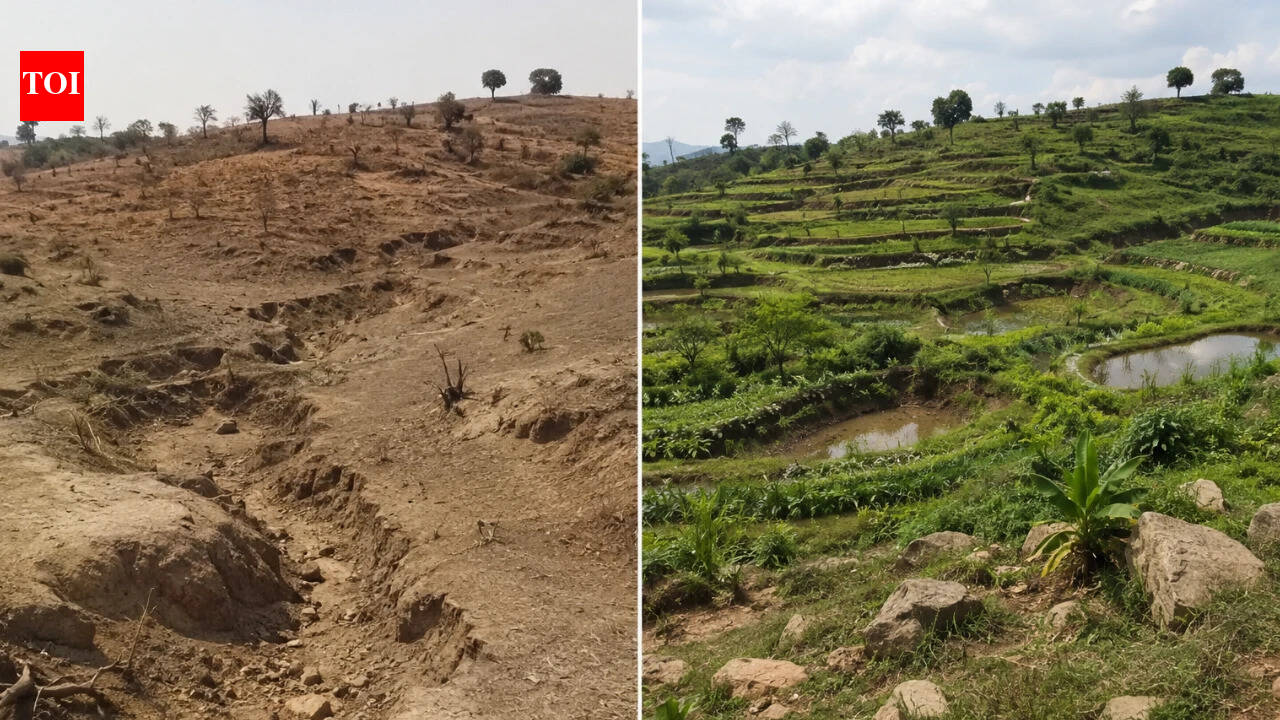
On a sun-soaked slope in Zvishavane, Zimbabwe, small farmer Zephaniah Phiri Maseko took stock of his degraded land in the 1960s and made up his mind to do something about it. Where others were suffering from erosion and watching their scarce water supplies being washed away by rain flowing downhill, Maseko seems to have realised the importance of collecting water where it fell to assure his long-term sustenance. He embarked on an elaborate exercise of digging a series of shallow pits, bunds, and terraces all around his land, with the sole objective of holding back the rapid flow of surface water and letting it percolate underground.Rather than allowing rain to sweep away fertile topsoil, Maseko turned much of his farm into a water-retaining landscape. Residents originally thought his elaborate earthworks were an exercise in futility, but the results suggested otherwise. As the years went on, Maseko successfully elevated the local water table beneath his property. Even during regional droughts, Maseko’s water-harvesting system helped keep his hand-dug wells supplied, allowing his family to continue growing fruit trees, vegetables, and grain crops when water became scarce on many neighbouring farms.The broader importance of local ecological knowledge in farming is explored in the study Farmers’ Knowledge and Perception of Agricultural Wetlands in Rwanda by agricultural scientists N. L. Nabahungu and S. M. Visser. The research examined how rural communities understand and manage wetland landscapes, including how farmers classify areas based on drainage conditions and match crops to different moisture levels. Although the study focused on wetlands rather than dry hillside water harvesting, it highlights a similar principle seen in Maseko’s work: farmers often rely on detailed observations of their surroundings to make decisions about water and land management.Turning the dry slopes into water sanctuariesMaseko’s strategy focused on working with the natural shape of the landscape rather than relying on external irrigation systems. He designed swales and earthen embankments along contour lines to slow rainwater as it moved downhill, allowing more water to infiltrate the soil. The captured water gradually permeated the soil and recharged groundwater resources. The subterranean water supported the growth of deeply-rooted vegetation even in dry seasons when the first rains passed.Over several decades, Maseko expanded his water-harvesting system, creating earthworks that helped capture and slow rainwater runoff during storms, allowing more water to soak into the soil. This water infiltration improved soil conditions on his hillside, helping turn dry, compacted clay into richer soil. Surrounding vegetation reportedly improved, which may have attracted more wildlife and livestock. The hillside became more productive, suggesting that water harvesting can help restore degraded land.Beyond securing household water independence, Maseko’s methods offered a low-cost, sustainable model for smallholder farmers across semi-arid regions of Africa. His farm became a world-renowned training centre, drawing thousands of visiting agriculturalists, researchers, and local farmers eager to learn how to harvest rainfall on their own lands. By relying on simple hand tools and local materials, Maseko demonstrated that dramatic ecological restoration does not require heavy machinery or massive financial capital.The experiences of Maseko demonstrate how localised water retention methods could enhance water availability at the small farm level. On the other hand, the research work carried out by Nabahungu and Visser has brought out the role of farmers in managing water resources using their indigenous knowledge base.
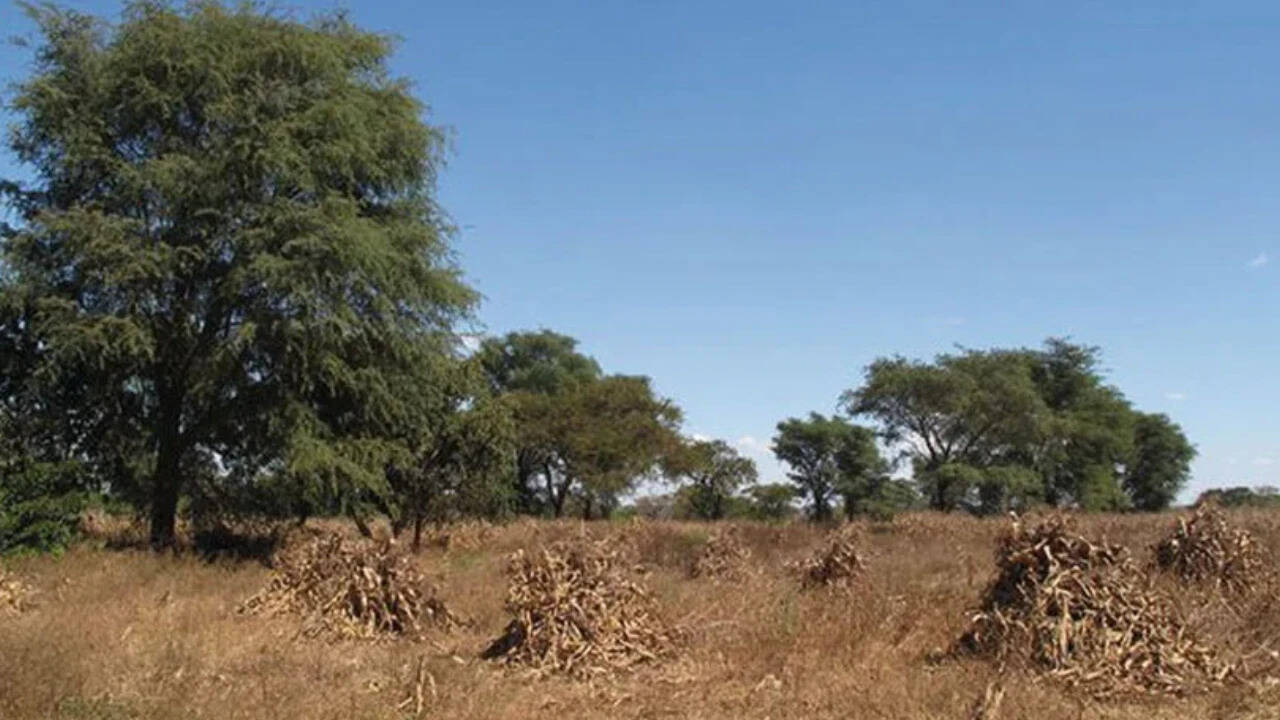
Similarly, studies in Rwanda echo the significance of farmers’ deep-rooted knowledge in managing water resources, showcasing how indigenous practices enable communities to sustainably maintain food production. Image Credits: Combining Infield Rainwater Harvesting and Soil Conservation Techniques as Mitigatory Strategies to Climate Change on Crop Productivity in Semiarid Conditions
Empowering rural communities through sustainable land stewardshipThe lessons from Farmers’ Knowledge and Perception of Agricultural Wetlands in Rwanda confirm the significance of incorporating traditional agricultural knowledge in environmental management programs. Nabahungu and Visser’s study revealed that knowledge of local wetlands among farmers is critical in managing their agricultural landscape.The study highlighted the importance of understanding local landscapes and farmers’ ecological knowledge when managing agricultural environments. When farmers manage surface runoff on hillsides, they can reduce erosion, limit siltation and support groundwater recharge across the catchment area. This holistic perspective mirrors Maseko’s core philosophy that managing water on the heights is essential for sustaining life in the valleys below.Years down the line, even after Maseko used the shovel for the first time to break the ground in the dry area of Zvishavane, his work still inspires many people in drought management and agroecology. The life work of Maseko indicates that good water management may help in restoring degraded lands. Harvesting surface water on the contour slopes is still an applicable practice for small-scale farmers at the moment.
Credit: Source link