

In the 1980s, Niger’s farmers stopped clearing “dead” tree stumps; hidden roots regrew 200 million trees across five million hectares | World News
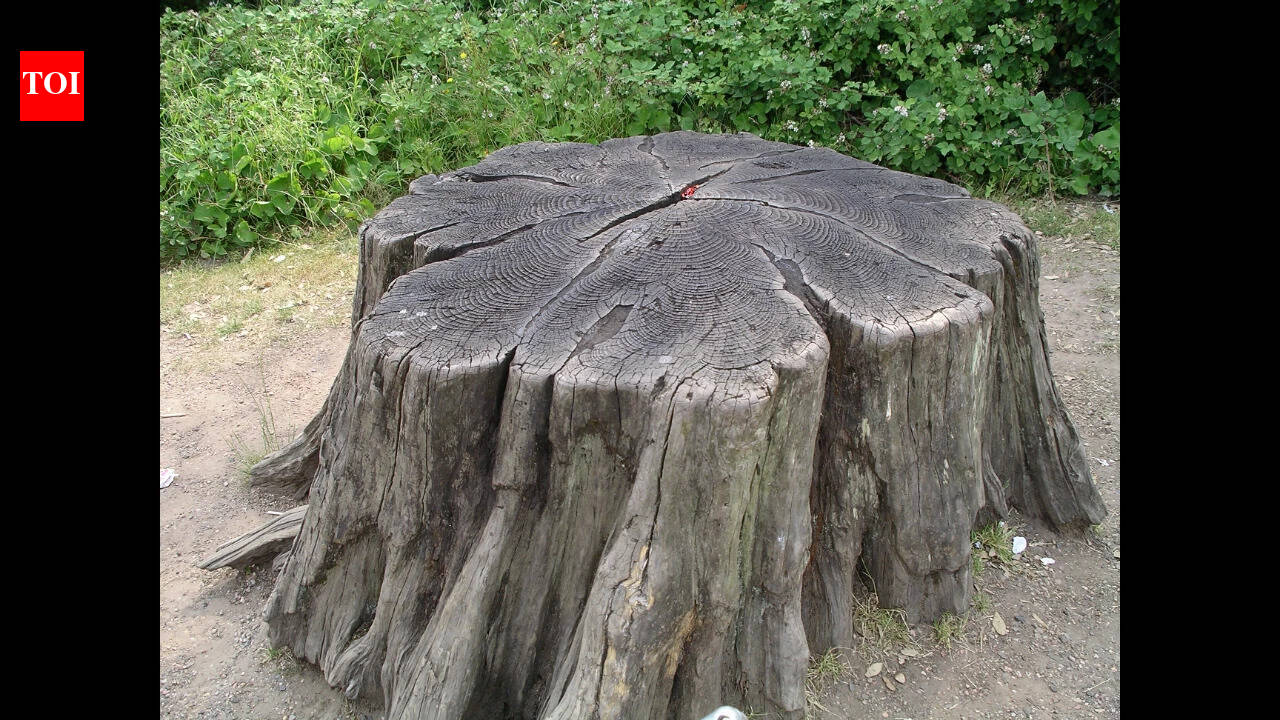
Land rehabilitation has been synonymous with tree planting for years, as governments have spent millions of dollars on raising saplings in nurseries to rejuvenate depleted landscapes. But in arid landscapes where survival chances are minimal due to harsh environmental conditions such as drought and soil erosion, many young trees do not survive.During the early 1980s, farmers in southern Niger began trying a different approach. Instead of clearing what appeared to be dead tree stumps while preparing their fields, many started protecting the shoots emerging from living root systems beneath the soil. Over the following decades, the farmer-led practice spread across large parts of the country. A review published in Frontiers in Forests and Global Change explains that this approach, known as Farmer Managed Natural Regeneration (FMNR), helped restore around five to six million hectares of farmland and allowed an estimated 200 million trees to regenerate naturally.The authors describe FMNR as an agroforestry practice that encourages naturally regenerating trees to grow alongside crops. Farmers select healthy shoots, prune unwanted stems and continue cultivating their fields, allowing trees and crops to coexist without disrupting agricultural production.Simple idea that revolutionised farmlandsThe reason FMNR worked is that it capitalised on vegetation that was readily available. Though mature trees had been felled for years, their root systems still existed underneath the surface of the land. Once farmers ceased clearing away every sprout, these roots started producing new vegetation that was well suited to the local climate and soil.According to the review, this was especially useful across the Sahel, where establishing nursery-grown seedlings can be difficult because of harsh climatic conditions. Existing root systems often gave regenerating trees a better chance of surviving prolonged dry periods, reducing the need for repeated planting efforts.As more communities adopted the practice, native trees gradually regrew on farmland. Rather than converting fields into forests, FMNR created agricultural landscapes where crops continued to be grown alongside carefully managed trees. Because regeneration relied on local species, the recovering vegetation reflected the area’s natural biodiversity instead of introducing unfamiliar varieties.The Frontiers in Forests and Global Change review highlights that there are several other ways in which these tree species might help improve agricultural conditions. Litter from leaves increases the organic content of the soil. Root systems of the plants also help in increasing the infiltration of water where the conditions are conducive. Moreover, the canopy of the tree helps in protecting the crops against heat and drying winds in many dryland farming systems.Reasons why the practice was adopted by the farmersFMNR was adopted by the farmers because there were some advantages to it apart from the environmental ones. For instance, the trees which were regrown provided different things that could either be used or sold by the household. This would allow the people to use the natural forest less.The benefits extended to households as well. After reviewing the available evidence, the authors found that farms practising FMNR often reported healthier soils, improved crop production, higher household incomes and more varied diets. At the same time, the paper makes clear that these outcomes were not guaranteed. Results differed according to rainfall, soil conditions, the species being managed and the way farmers applied the practice.The review also found that successful FMNR depends on careful management rather than simply increasing the number of trees. Farmers decide how many trees to retain so crops continue receiving enough sunlight while still benefiting from shade, organic matter and other ecological functions. Rather than recommending a single ideal tree density, the authors conclude that the right balance depends on local environmental conditions, farming systems and the species being managed.
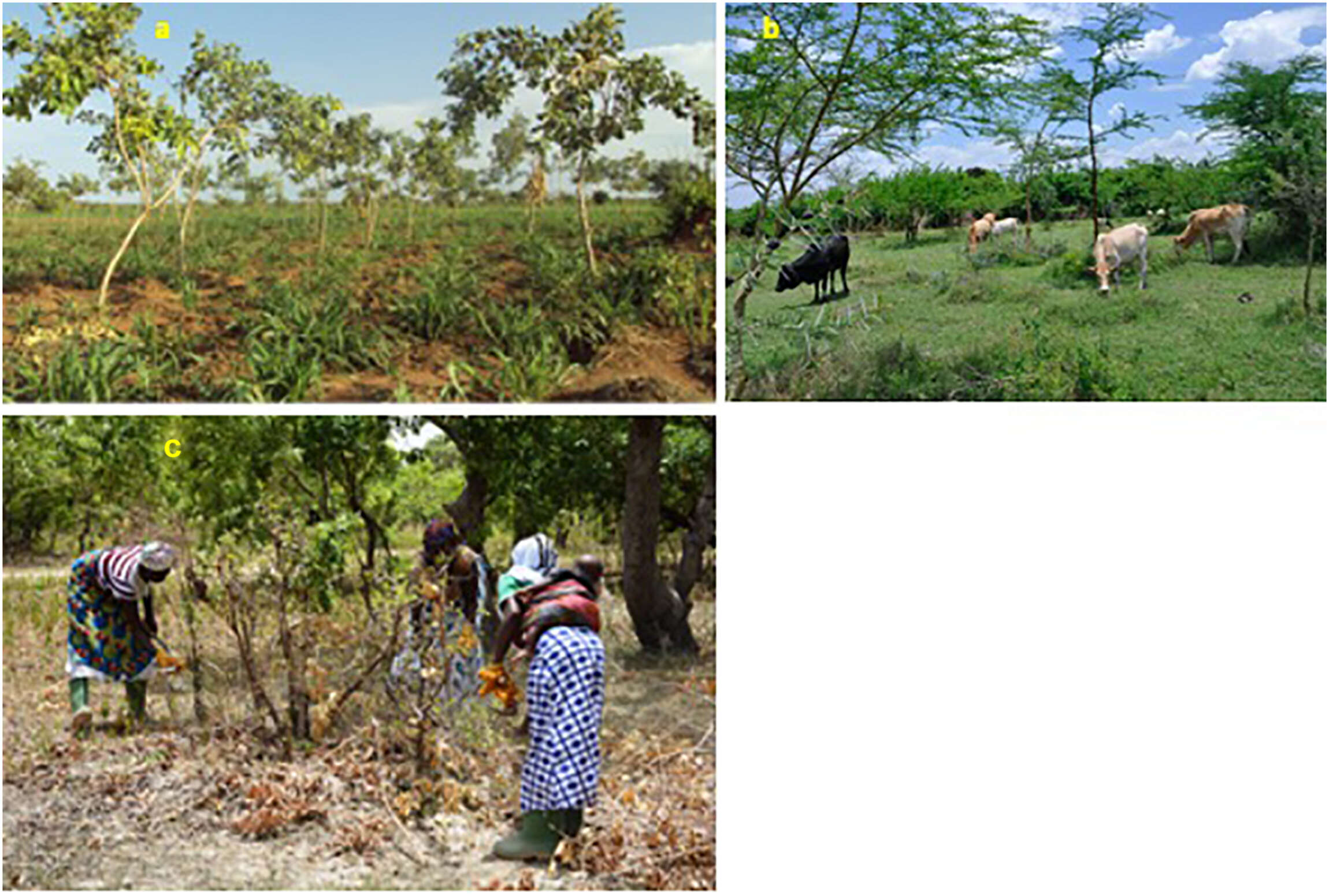
Its reliance on local conditions and community involvement highlights its potential as an effective model for land restoration initiatives worldwide. Image Credits: Opportunities and Constraints for Using Farmer Managed Natural Regeneration for Land Restoration in Sub-Saharan Africa
A lesson in reforestation, with important caveatsThe experience of Niger has received much attention internationally; however, the authors advise against imitation of it universally. According to their assessment, the main part of the evidence is provided by Niger itself, mostly its regions of Maradi and Zinder where FMNR was popularised. Though there are promising results of research in other sub-Saharan African countries, the evidence is relatively scarce; thus, it cannot be expected that the same will happen in other circumstances.The paper identifies several factors that influence success. Natural regeneration works best where living tree stumps or root systems are already present and where farmers have the time and incentive to protect them. Rainfall, soil quality, grazing pressure and local management practices all affect how well regenerating trees survive. These conditions vary widely across dryland regions, which is why the authors argue against assuming that one approach will suit every landscape.Land and tree rights also play an important role. According to the review, farmers are more likely to protect naturally regenerating trees when they know they will benefit from them in the future. Uncertain ownership or restrictive regulations can discourage long-term management, while uncontrolled grazing or frequent fires may damage young shoots before they become established. The researchers therefore stress that community participation and supportive local policies are just as important as ecological conditions.The review also suggests that FMNR should be seen as one tool in a broader restoration strategy, not a replacement for conventional tree planting. In some degraded areas, protecting existing vegetation may be the most practical and cost-effective option. Elsewhere, planting new trees or combining different restoration methods may still be necessary. The choice depends on the condition of the landscape and the needs of local communities.Although evidence from Niger strongly supports the environmental and livelihood benefits of FMNR, they note that more studies are required to understand its long-term effects on biodiversity, carbon storage and wider ecosystem recovery. Expanding research into other regions would also help determine where the approach can be adapted successfully and where different restoration techniques may be more appropriate.Niger’s experience offers a broader lesson about restoration. Instead of relying solely on new planting, farmers worked with existing vegetation that had survived beneath the soil for decades. Their approach helped restore millions of hectares of degraded land while strengthening rural livelihoods through long-term stewardship of native trees.The example offered in the Frontiers in Forests and Global Change review is one way that local knowledge can affect the recovery of a landscape on a bigger scale. However, the example also serves to emphasise the fact that in order for a solution to work, it needs to be adapted to the local context. FMNR is offered as a solution that has proven itself in Niger.
Credit: Source link