

How Ukraine’s Oil Refinery Campaign Is Paralyzing Russia’s Road Freight Network — UNITED24 Media
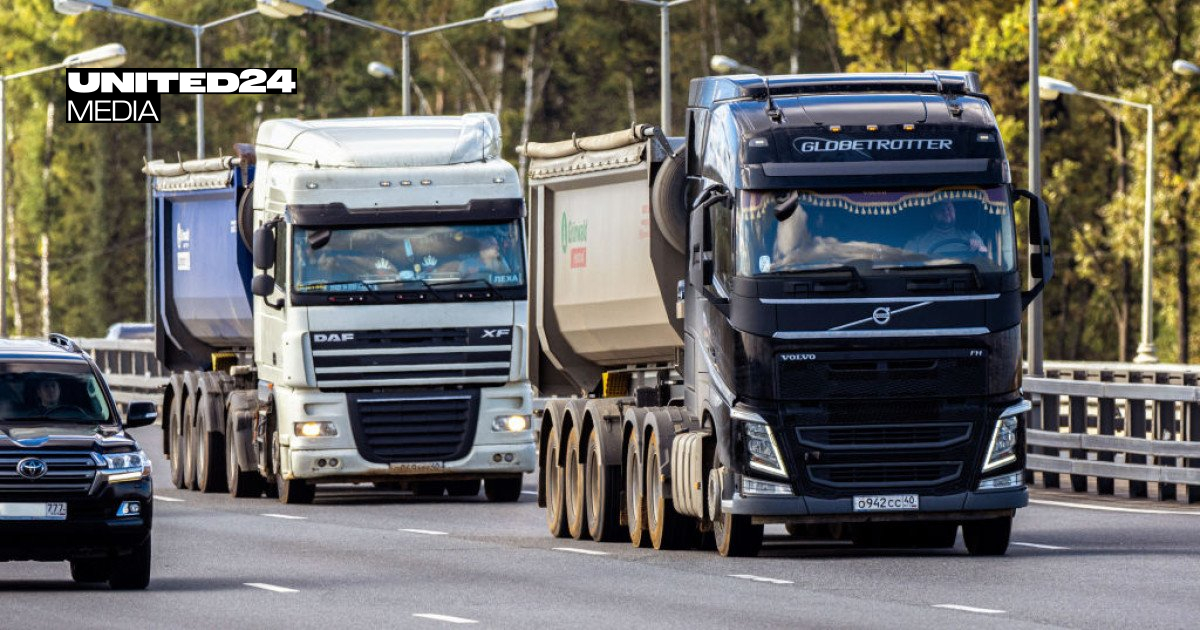
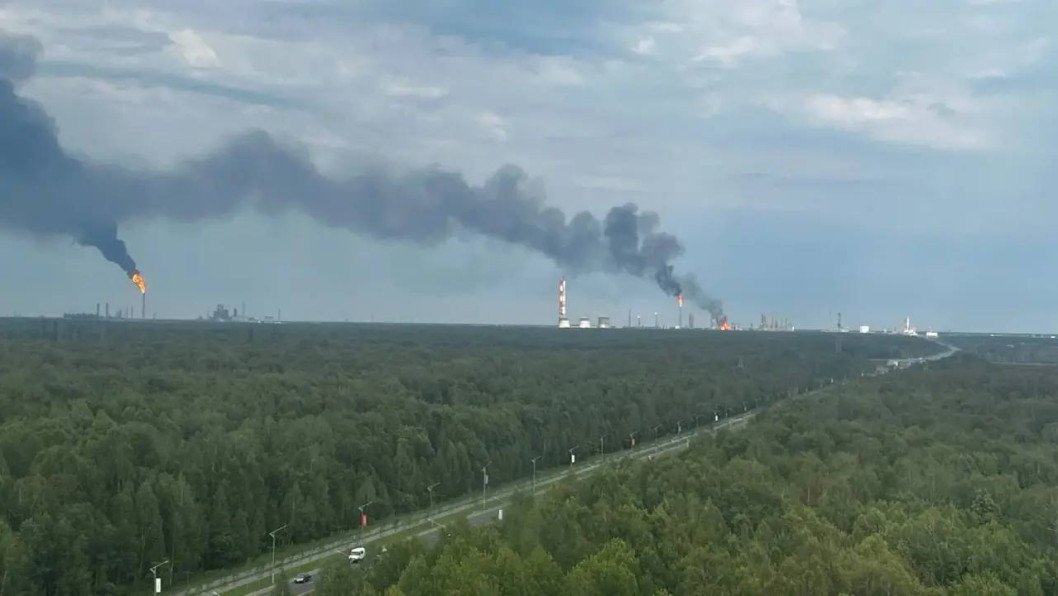
Ukrainian drone strikes against Russian oil refineries have triggered a sharp spike in fuel costs, pushing road freight tariffs up across the country and forcing logistics operators to scale back long-haul operations, Reuters reported on August 13.
The fuel crisis has also severely strained Russia’s retail energy market, forcing over 150 gas stations onto the market as independent operators struggle with soaring wholesale prices. Representing nearly 20,000 of Russia’s 27,700 gas stations, independent retailers lack the financial backing of major oil conglomerates, resulting in widespread supply disruptions and driver queues lasting up to 10 hours following the refinery attacks.
We bring you stories from the ground. Your support keeps our team in the field.
Fuel prices jumped by 16% to 18% during peak disruptions, driving overall transport costs up and straining Russia’s domestic supply chains. Because road transport accounts for over 70% of all cargo in Russia, according to official state statistics, the rising logistics costs are adding severe inflationary pressure across the national economy.
In July, during the most acute phase of the fuel crisis, freight rates increased by an average of 12% to 15% compared to the previous month. On certain regional routes, rates surged by up to 50%, according to Vitaly Kiselev, head of the commercial transport committee at the Russian Association of Automobile Dealers. Kiselev told Reuters that fuel accounts for roughly 30% of freight expenses and that fuel discounts previously offered to commercial carriers have disappeared.
The cost hikes have forced logistics companies to alter their business models entirely. Valeria Savenkova, commercial director at logistics operator Logistic Performance, explained to Reuters that her firm was forced to abandon long-distance freight across Russia.
“We managed to reorganise our logistics operations very quickly and moved away from long-haul routes,” Savenkova said. “We’re no longer running deliveries across Russia’s regions. And we are focusing on shorter routes within the Moscow region and delivering cargo to the nearest ports.”
Key international trade corridors are also feeling the pinch. Shipping cargo from China to Moscow has risen in cost by nearly a third, jumping from $10,000–$11,000 before the crisis to roughly $14,000 (1.1 million to 1.2 million rubles).
Georgy Vlastopulo, founder of logistics company Optimalog, noted that trucks passing through Zabaykalsky Krai—a key transit hub for Chinese imports—continue to face severe supply disruptions.
“And we’re not seeing prices fall back in any meaningful way, because problems persist in Zabaykalsky Krai,” Vlastopulo told Reuters. “Trucks are still having to queue for fuel, for two or three days.”
The delays and added costs have driven an 18% to 20% increase in demand for direct rail shipments and a 10% to 12% surge in sea transport as companies scramble for alternatives.
Market players warn that the inflated tariffs could become a permanent fixture.
“There will be no reduction in tariffs—we can say this for sure,” Kiselev stated.
Vlastopulo echoed that sentiment, noting that even if fuel supplies normalize, rate cuts will be minimal.
“We believe that even if the situation normalises and fuel supplies in the region become sufficient again, the rates are likely to come down by no more than 7% to 10%,” Vlastopulo said. “That’s because transport companies will want to recover at least part of the losses they incurred as a result of lower load factors and reduced fleet utilisation.”
The logistics squeeze is not limited to land transport. Shipping carriers operating along Black Sea trade routes have raised freight rates by up to fourfold due to escalating war risks and Ukrainian drone attacks targeting commercial traffic around the Russian port city of Novorossiysk.
With major Russian logistics firms like FESCO suspending Black Sea operations and new war risk surcharges adding up to $2,000 per container, attempts to reroute cargo through overland corridors or northern ports are putting additional strain on Russia’s already overburdened supply chains.


We report from the front lines to show the reality of war. Your support helps us stay there and tell the stories that matter.