

Houthis’ Yemen advance leaves Gulf states with uncomfortable choice
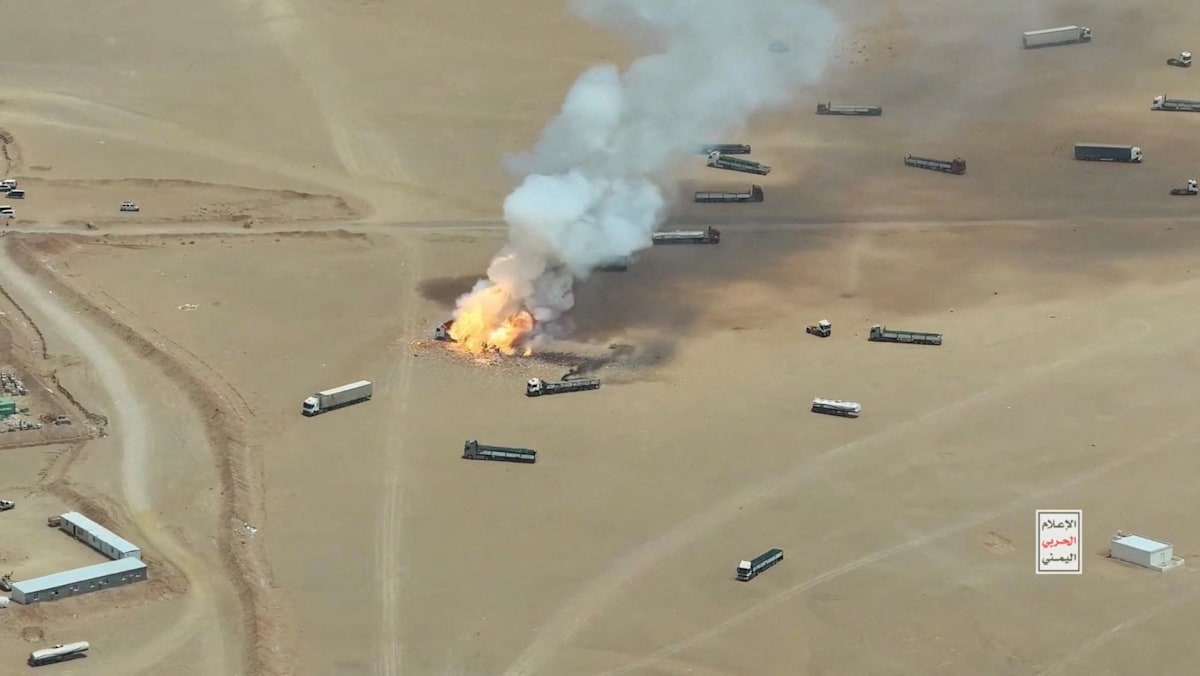
HOUTHI ADVANCE HIGHLIGHTS IRAN’S STEP-BY-STEP STRATEGY
Alex Vatanka of the Middle East Institute said the question for Gulf states may increasingly be less whether they trust Iran than how to protect their interests and survive hostilities Washington cannot quickly end.
That could push them towards parallel diplomacy with Tehran and, over time, a broader security strategy less dependent on the US alone.
“The Gulf states are contemplating the basic reality that they might have to cut a deal with the Iranians on their own, regardless of whether they hurt American feelings or not, because America can’t get them out of this quagmire,” he said.
The flareup revives a struggle that long predates the US-Iran conflict. The Houthis, drawn from Yemen’s Zaydi Shi’ite minority, fought a series of wars with Saudi Arabia before seizing Sanaa in 2014, prompting a Saudi-led intervention the following year.
Despite years of air strikes and cross-border warfare, they survived, expanded their capabilities and emerged as one of Iran’s most effective regional allies.
The Houthis are pursuing their own longstanding conflict with Riyadh while exploiting a position that gives them leverage far beyond Yemen’s borders to create growing value for Tehran.
“The Houthis are not traditional proxies,” said former US negotiator Aaron David Miller. “They can weaponise geography and have a dramatic impact on the international economy and on the global oil economy.”
One regional official said the Houthi advance was the latest step in a careful strategy by Tehran.
“For Iran, this is a chess game. They plan what comes next. They don’t push all their buttons at the same time out of panic,” the regional official said.
“The Houthis are the only proxy Iranian ally with formidable operational capabilities left.”
Washington’s economic squeeze on Iran is having an impact, but the unintended consequence, according to a Gulf source, is that it is squeezing America’s Gulf partners into reconsidering whether confrontation with Tehran is sustainable.