

Hormuz is plunging Iraq into a fiscal crisis as it seeks to dismantle the militias
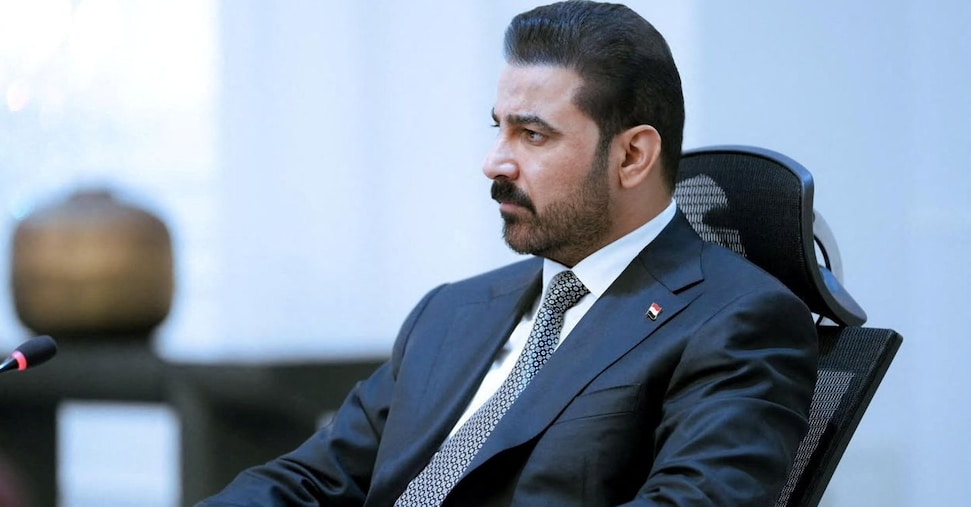
The escalation across the Levant has upset the balance of power in the Middle East, placing the Republic of Iraq at the centre of a profound geopolitical transformation. Uncoordinated joint military operations against sub-state actors within the Popular Mobilisation Forces (PMF) have severely strained Baghdad’s executive authority, leading to the suspension of high-level diplomatic missions to Riyadh. At the same time, the physical blockade of maritime transit through the Strait of Hormuz — a crucial chokepoint for around 20 per cent of global oil trade — has dealt a severe blow to the Iraqi economy. With crude oil exports having plummeted from a pre-crisis baseline of around 100 million barrels per month to 18.6 million barrels at the height of the hostilities, the Iraqi state is facing a dual crisis of security and fiscal stability, with direct repercussions for the energy supplies of the European Union and Italia.
Iraqi Popular Mobilisation Forces
The central pillar of Prime Minister Ali al-Zaidi’s domestic agenda — establishing the state’s absolute monopoly on the use of force — faces structural resistance, whilst sub-state actors within the PMF are divided along opposing strategic lines. Established under Law No. 40 of 2016 as an independent military entity under the Prime Minister’s authority, the nominal integration of the PMF into the Iraqi Security Forces (ISF) masks deep internal polarisation. Units linked to the shrines (Atabat) and local defence forces have demonstrated full compliance with the 30 September deadline for the consolidation of arms under the Joint Operations Command – Iraq (JOC-I). By contrast, ideologically autonomous factions maintain parallel command structures linked to external regional actors. This operational bifurcation poses a direct threat to sovereign governance. Friction between the central military command and autonomous elements equipped with heavy weaponry and tactical ballistic missiles bypasses official defence procurement channels. The diplomatic repercussions have placed the Iraqi government in a difficult position, as it seeks to balance the demands of its Western partners for the dismantling of armed groups with the political influence exerted by parliamentary blocs affiliated with the PMF assembly.
Ban on hydrocarbons and tax cuts
The economic repercussions of the maritime blockade are immediate and severe. Oil revenues account for over 90 per cent of Iraq’s state budget, making the fiscal framework extremely vulnerable to disruptions to oil tanker traffic in the Persian Gulf. With exports from the southern terminals of Umm Qasr and Basra blocked, daily revenue flows plummeted from an estimated $280 million to less than $50 million at the height of the maritime blockade. This slump in revenue forced the Central Bank of Iraq (CBI) to adopt extraordinary measures to stabilise the currency. To cover public sector wage payments and maintain social spending, the CBI injected around 43,000 billion Iraqi dinars (~$32.8 billion) into domestic markets by printing local currency, drawing on reserves and recouping funds. Foreign Minister Fuad Hussein highlighted that the money supply had exceeded the economy’s real capacity by 25 per cent, raising serious concerns about exchange rate stability and inflation. The absence – for the time being – of alternative export routes via the northern Kirkuk–Ceyhan oil pipeline to Turkey highlights Baghdad’s strategic vulnerability with regard to maritime bottlenecks. For the European Union, and in particular for Italia — Iraq’s leading trading partner within the EU and a long-standing importer of crude oil from the Basra and Kirkuk fields via operators such as Eni — the disruption of flows in the Indian Ocean has had an immediate impact on energy costs and the stability of refineries in the Mediterranean.
National sovereignty
In parallel with the monetary measures, the Iraqi government has launched targeted operations to combat corruption within Baghdad’s Green Zone. Designed to dismantle informal financial networks and recover misappropriated public assets, the campaign has led to the arrest of senior officials across various government sectors. Regaining administrative control over key facilities and border crossings is essential to preserving sovereign authority. By integrating elite units of the Iraqi Counter-Terrorism Service (CTS) into perimeter defence operations, the administration aims to shield state institutions from internal political pressures and to protect revenue streams. In this context, the role of European and Italian diplomacy is crucial. Italia, through its participation in the NATO mission in Iraq (NMI) and its ongoing support for capacity-building within the Iraqi police and security forces, serves as a pillar in shielding Baghdad’s institutions from external interference and in strengthening the rule of law. Over the next five years, Iraq’s stability and its relations with the European Union will depend on its ability to address three key structural challenges.
Security Integration: the systematic integration of sub-state armed groups into the formal structures of the Ministry of Defence and the Ministry of the Interior, thereby avoiding parallel chains of command and ensuring the protection of foreign industrial investments, including European energy investments.