
Health experts urge journalists to use verified information in Ebola reporting
Authors: Angelina Gama | Gloria Nyageth Onyoti | Published: 13 hours ago

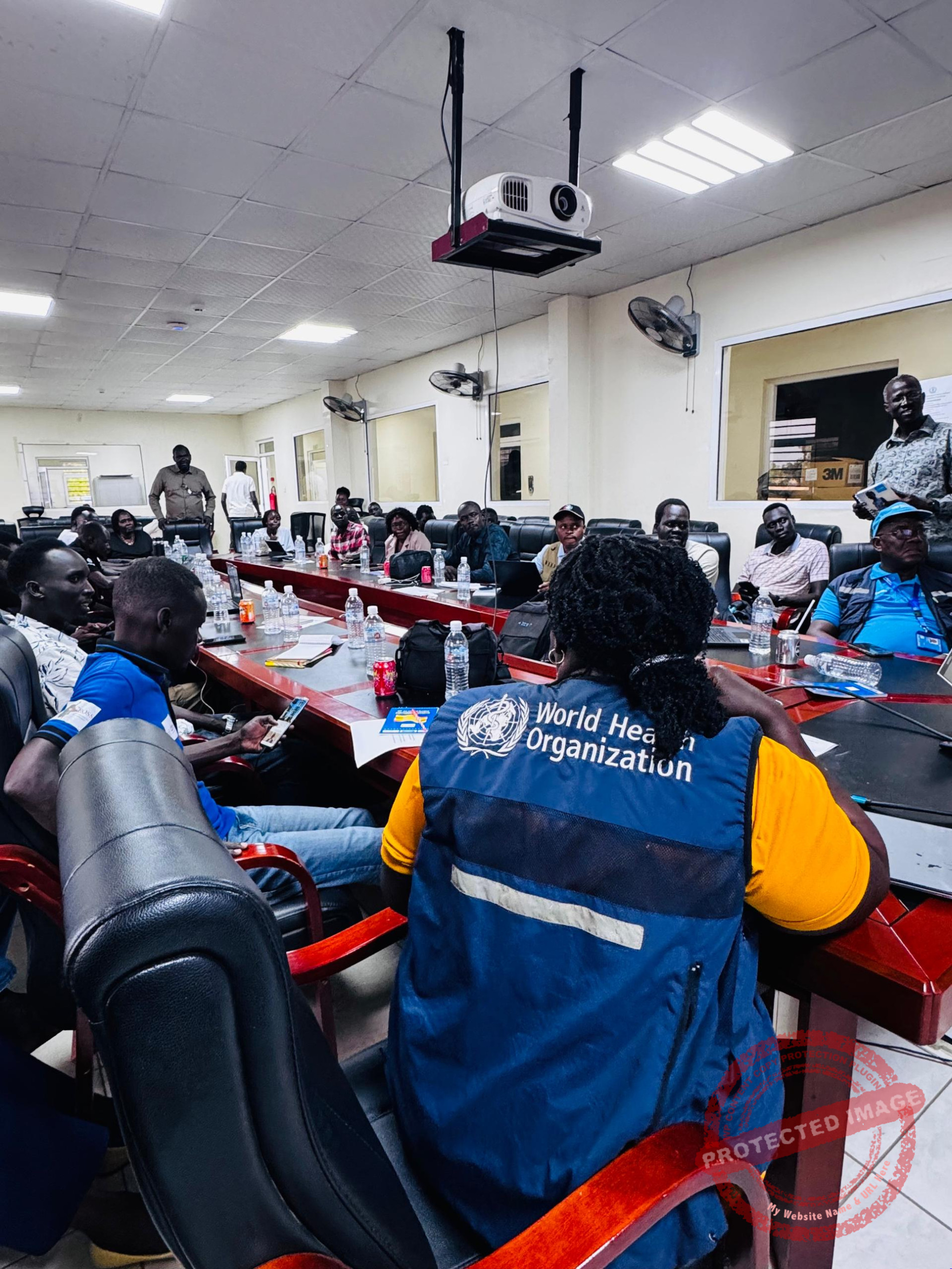
Photo credit|Angelina Gama
Health experts have urged journalists and media practitioners to consult health authorities before reporting on Ebola Bundibugyo Virus Disease (BVD), warning that accurate information is critical in preventing misinformation and protecting communities.
The call was made during a one-day media sensitization workshop organized by the National Public Health Institute (NPHI) in partnership with UNICEF South Sudan, the World Health Organization (WHO), and the United Nations Development Programme in Juba.
Speaking at the workshop, WHO South Sudan spokesperson Dr. William Mbabazi said journalists have a key role in public health response and should rely on verified information when covering Ebola.
“Before you write, please consult us. We are here to make sure that we guide you. When communicating, please communicate about Ebola accurately. Don’t describe it simply as a disease of bleeding because people usually do not present with bleeding at the beginning. Also remember that Ebola is a contact disease,” Dr. William said.
He said South Sudan remains at risk of Ebola due to cross-border movements and interactions between humans and wildlife. He encouraged the media to raise awareness about safe hygiene practices, proper handling of bush meat, and the importance of early reporting of suspected cases.
The workshop, held under the theme “Strengthening Media Engagement for Effective Public Awareness and Community Protection Against BVD,” provided journalists, media professionals, and social media influencers with evidence-based information and reporting tools to support Ebola preparedness and response.
Meanwhile, the Director General of the National Public Health Institute, Dr. Kediende Chong Mapour, called for stronger cooperation between health authorities, journalists, civil society organizations, and development partners to prevent Ebola outbreaks.
“We need to work together and send out information to the public. We need to let the public know that we are here for them. Not only the government, even you the journalists, civil society, and all partners are supposed to be united in this fight,” Dr. Kediende said.
He added that early reporting, investigation, and isolation of suspected cases improve survival chances and help reduce the spread of Ebola.
The workshop is part of ongoing efforts by the government and partners to strengthen risk communication, community awareness, and national preparedness against Ebola Bundibugyo Virus Disease.
Comments are closed.