

Haitian Refugee Immigration Fairness Act introduced
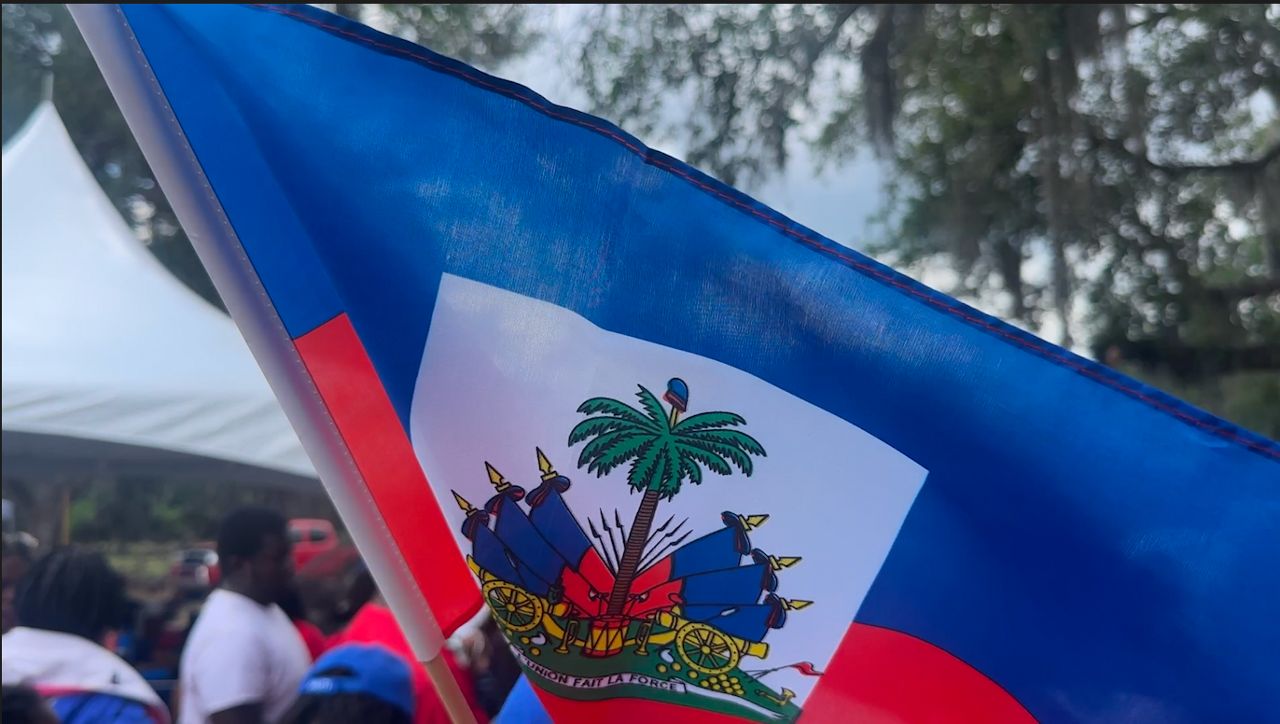
TAMPA, Fla. — In the wake of the U.S. Supreme Court’s decision allowing the Trump administration to move forward with ending Temporary Protected Status (TPS) for hundreds of thousands of Haitians, U.S. Rep. Frederica Wilson, D-Fla., has introduced legislation that would provide a pathway to lawful permanent residency for eligible Haitian immigrants.
The proposed Haitian Refugee Immigration Fairness Act would allow qualifying Haitian nationals who have lived in the United States for years to apply for lawful permanent resident status, commonly known as a green card.
For Tampa Bay Haitian advocate Keto Nord, the issue is deeply personal.
“I’m a first-generation Haitian-American immigrant,” Nord said. “I came here for much-needed emergency medical treatment when I was 5 years old in 1985. I was eventually adopted by an American missionary and became an American citizen just before my 18th birthday.”
Nord said his own experience shaped his support for Haitians who could lose TPS protections if the administration moves forward with ending the program.
“I’ve loved the opportunities for success and advancement that I’ve experienced here in the United States,” he said. “Being the first person in my family to attend and graduate from college.”
According to Nord, many Haitians with TPS, some survivors of the 2010 Haiti Earthquake have built lives in the United States, working legally while supporting their families and contributing to their communities.
“The ability to work and take care of yourself and your family is just a basic tenet of humanity,” Nord said. “There are employers who may feel because TPS is set to expire, they don’t need to offer these workers continued opportunities. That’s an economic crisis because these folks have been here legally.”
Nord also credits permanent resident status with giving him greater security after arriving in the United States.
“I, myself, was a recipient of a green card because of my medical emergency,” he said. “A green card provides a higher level of legal protection than simply being here under Temporary Protected Status.”
Wilson introduced the legislation after the Supreme Court’s 6-3 decision allowing the administration to proceed with ending TPS protections while litigation continues. The congresswoman is also a co-sponsor of H.R. 1689, legislation that would require the Department of Homeland Security to redesignate Haiti for Temporary Protected Status.
The Trump administration has argued that TPS was always intended to be temporary and that federal law gives the secretary of Homeland Security the authority to determine when conditions in a country no longer justify the designation. Administration officials have also argued the program should not become a permanent immigration pathway.
Via a post on X, Markwayne Mullin, Department of Homeland Security Secretary said, “TPS is meant to be temporary.”
Nord points to ongoing violence and instability in Haiti.
“If U.S. citizens cannot safely go to Haiti, and the State Department has warned against travel there, then why would we think anyone else could return there safely?” he said.
The U.S. State Department continues to maintain a Level 4: Do Not Travel advisory for Haiti, citing widespread gang violence, kidnappings, civil unrest and limited emergency services.
For Haitian families across Tampa Bay and the nation, Nord said the conversation now extends beyond the courts and into Congress, where lawmakers will decide whether to advance proposals that could offer longer-term immigration protections.
Meanwhile, the Department of Homeland Security says some Haitian TPS holders who choose to return voluntarily may be eligible for travel assistance and a $2,600 exit stipend through the CBP Home program if they meet eligibility requirements.