

Guinea PM sees Chinese hybrid rice as path to food security
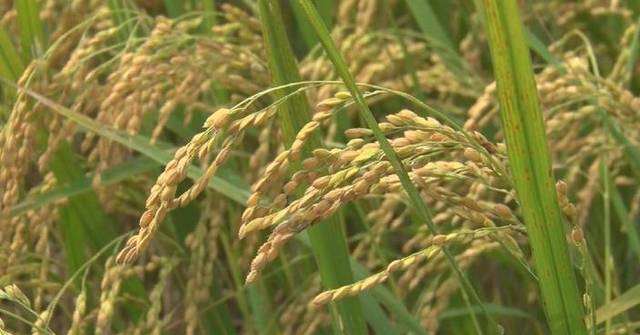
Guinea plans to expand hybrid rice cultivation with Chinese technology to fight hunger and shift from a rice importer to a regional food supplier, Prime Minister Amadou Oury Bah said Wednesday in an interview.
Bah visited China to attend the World Economic Forum’s 17th Annual Meeting of the New Champions, which wrapped up Thursday in the northeastern city of Dalian. In an interview with China Media Group (CMG), Bah recalled his visit this April to a farming project in Koba, a town in western Guinea’s Kindia Region, where he saw hybrid rice being grown and processed using simple, accessible technology.
He learned from Chinese technicians that the rice was developed by the late agronomist Yuan Longping, who wanted to share it with developing countries to fight hunger.
Bah was given a bag of rice from the project. He later wrote to Yuan’s widow, Deng Ze, to let her know that the agronomist’s legacy is still feeding people around the world. In April, he also sent her a bag of hybrid rice produced in Koba as a gift. Bah wrote a message in French on the bag of rice, calling it a symbol of Guinea–China cooperation and a step toward defeating hunger.
“Through this, we plan to scale up this technology and promote hybrid rice planting in more parts of Guinea. By significantly improving farmers’ productivity, this technology can help free them from the cycle of toiling hard yet harvesting little. This is why our work here is so important,” he said.
Guinea is blessed with huge agricultural potential. With the densest river networks and some of the richest water resources in West Africa, the country enjoys fertile soil and ideal natural conditions for farming, Bah said.
“We are committed to expanding high-yield hybrid rice. With higher yields per hectare, Guinea has every potential to become a key agricultural player capable of feeding much of West Africa. At present, we still import around 300,000 to 400,000 tons of rice each year. We want to turn that around — and in the next few years, transform Guinea from a rice importer into a rice exporter. That way, we can not only beat hunger but also feed more people. Meanwhile, in many rural communities around us, people are still lost in uncertainty, trapped in long-term poverty. Many young people across the Sahel see no future. Through China’s initiatives, we will restore hope — hope for our people, and hope for our youth,” he said.
Guinea PM sees Chinese hybrid rice as path to food security
Local residents spontaneously helped each other to overcome the difficulties after powerful earthquakes struck Venezuela.
A pair of powerful earthquakes struck Venezuela on Wednesday, killing at least 920 people and trapping many under the rubble. The quakes, measuring magnitude 7.2 and 7.5, hit central Venezuela less than a minute apart, according to the U.S. Geological Survey (USGS).
International aids are pouring in for the disaster-hit South American country while rescuers have been searching through collapsed buildings to find survivors.
On Friday evening local time, large number of vehicles carrying rescue personnel and relief materials caused traffic congestions on roads as they flooded into the state of La Guaira state, the hardest-hit state of the country.
Many of the vehicles were loaded with relief supplies such as drinking water and food, while others were filled with daily necessities such as mattresses and furniture.
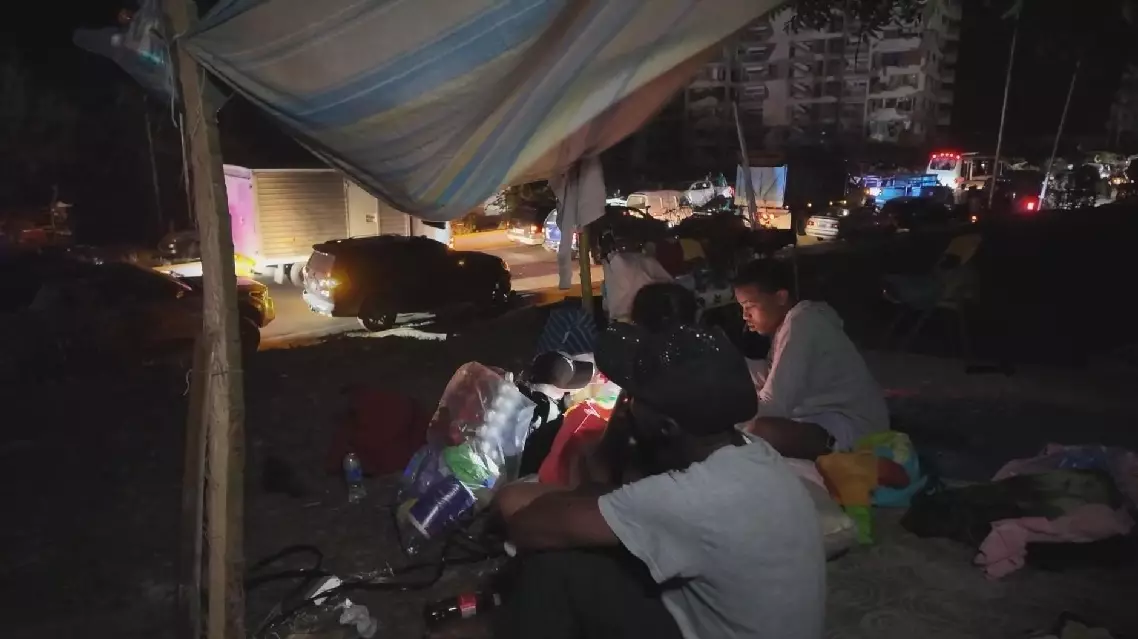
The town of Katia Lamar, one of the worst-hit areas in the state, remains out of power, with a pungent odor lingering in the air. Some local residents have spontaneously participated in disaster relief efforts.
“We are currently doing community service, helping those who need it most. We are all doing this voluntarily, and everything we do comes from our hearts. Many people need us right now, and Venezuela needs greater unity,” said Hector, a resident who volunteered for disaster relief.
“People brought a lot of help, including food, diapers, medicine, drinking water, juice, drinks, as well as candy and baby food for the children,” said an affected resident.
As the earthquakes destroyed residential buildings, many residents had no choice but to rest and spend the night in nearby open spaces.
“We’ll rest here tonight and keep an eye on our belongings. These are things we managed to salvage from the apartment, some in relatively good condition,” said a resident.
Venezuelans volunteer to help fellow residents after deadly earthquakes
Credit: Source link