

Gianni Infantino promised to clean up FIFA. Now money, Trump ties and a secret deal p
At 6 a.m. on May 27, 2015, Swiss police raided a luxury hotel in Zurich, entered the rooms of senior FIFA officials and led seven of them away, some still in their pajamas.
The allegations were sweeping: bribery, racketeering and money laundering involving more than $200 million. The arrests marked the beginning of the end for Sepp Blatter, who had led FIFA for 17 years, and gave world football’s governing body a rare opportunity to do what critics had long demanded: clean house.
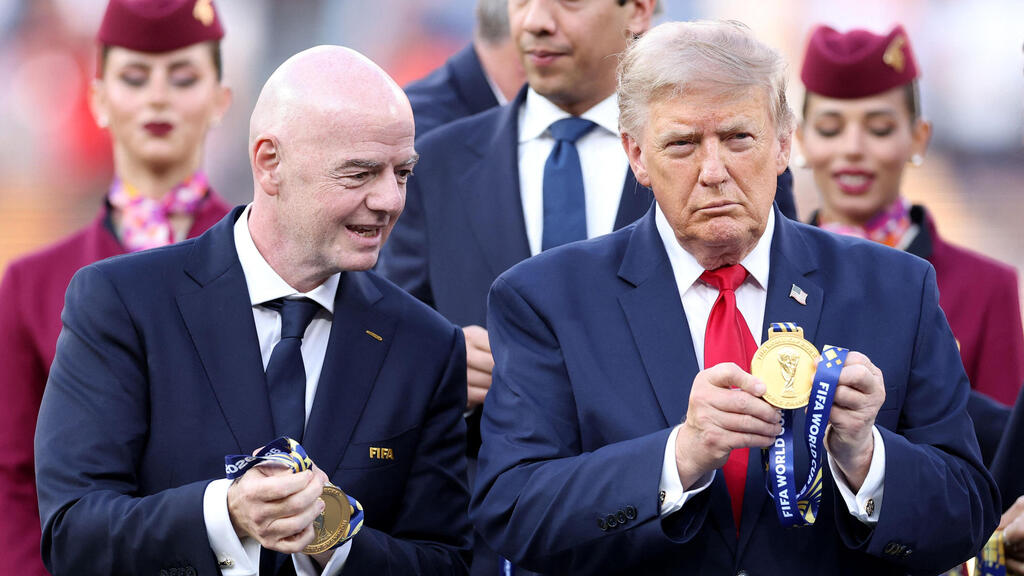
FIFA President Gianni Infantino and US President Donald Trump
(Photo: Justin Setterfield/AFP)
Where Blatter fell, Gianni Infantino rose.
After Blatter resigned, Infantino entered the race to replace him with an extensive reform platform. In February 2016, he was elected FIFA’s ninth president and has since been reelected twice, both times running unopposed.
He came to office promising reform, an end to corruption and a change in the management culture of the most powerful organization in world football. A decade later, his critics argue that FIFA has not only failed to break with its old culture, but has concentrated even more money, influence and political access around its president.
Infantino has built a network that places FIFA close to some of the world’s most controversial leaders and regimes, from Vladimir Putin, whose Russia hosted the 2018 World Cup, to Qatar, host of the 2022 tournament, and now Donald Trump, whose return to the White House has made Infantino one of the president’s frequent guests and closest figures in international sport.
The British Telegraph reported this week that serious complaints about Infantino’s conduct were being raised inside football’s governing body within months of his election.
FIFA’s ethics committee investigated him at the time and found that he had accepted seats on private aircraft provided by Putin’s Russian government and by Qatar’s emir, both hosts of World Cups awarded amid long-running allegations of corruption surrounding the bidding process.
In 2016, Infantino also refused to sign a salary contract worth £1.5 million because he considered the sum “insulting,” according to the report. At the same time, he was accused of circumventing FIFA procedures to appoint close associates to senior posts on salaries outside the organization’s established pay structure.
He also used FIFA funds for personal purchases, including six pairs of football boots costing a combined £942 and a tuxedo worth £1,060, according to the investigation. Those expenses came on top of a monthly allowance then worth about £1,500 for senior FIFA officials.
The inquiry identified seven possible breaches of FIFA’s ethics code, including at least nine trips on private jets, some belonging to Russian oligarchs. One was connected to what Infantino described as a “private meeting” with the pope, to which he brought his mother and wife.
FIFA ultimately cleared him of wrongdoing.
Soon afterward, Infantino removed the heads of the ethics committee and replaced them. Critics say the episode effectively eliminated any internal body with the power, or willingness, to investigate the president.
Sir Stanley Rous, FIFA president until 1974, ran the organization without pay. The culture was far more gentlemanly then.
That changed after Brazilian João Havelange was elected in 1974. To finance his campaign promises, Havelange brought in global sponsors such as Adidas and Coca-Cola and transformed FIFA into a commercial powerhouse.
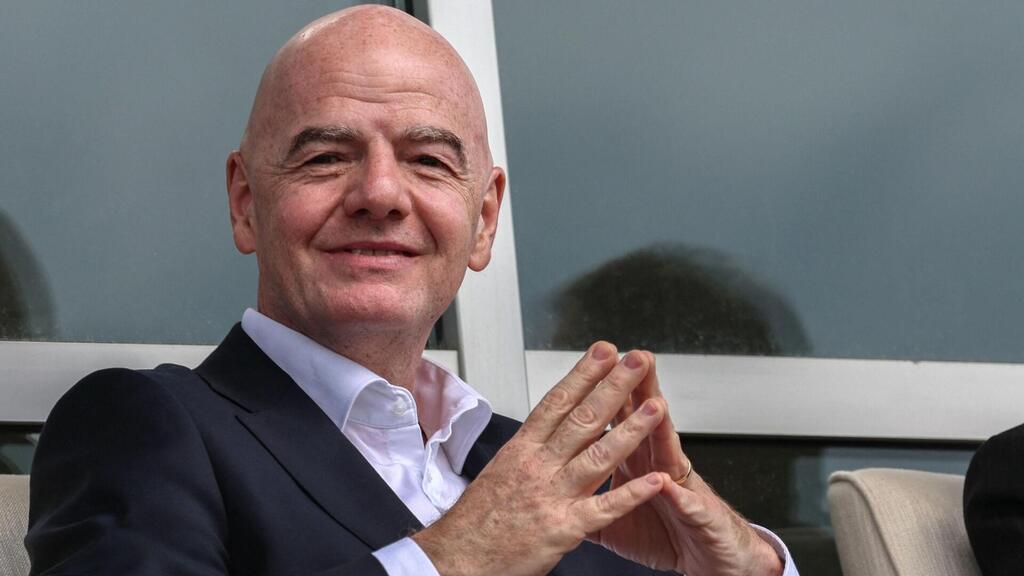
Gianni Infantino
(Photo: Adem Altan/AFP)
The system later became intertwined with allegations of kickbacks, broadcasting-rights deals and personal benefits for senior officials.
Blatter, who succeeded Havelange, institutionalized and refined that model, consolidating his rule partly through promises of direct financial aid to smaller national football associations in exchange for political support.
The system reached its most notorious point during the bidding for the 2018 and 2022 World Cups, which became synonymous with claims of extensive bribery.
Giovanni Vincenzo Infantino was born in Switzerland to Italian immigrant parents. He studied law, qualified as an attorney and speaks seven languages fluently.
Before moving into international sports administration, he worked as a legal adviser to football clubs in Italy, Spain and Switzerland. He joined UEFA in 2000, serving in legal and commercial roles, and was appointed the European governing body’s secretary general in 2009.
During his decade at FIFA, Infantino has repeatedly faced scrutiny over the intersection of money, governance and political influence.
He held a series of secret, unrecorded meetings with Michael Lauber, then Switzerland’s attorney general, who was responsible for investigating FIFA corruption cases. Lauber was later found to have lied about those meetings and resigned.
A criminal investigation into Infantino was opened in Switzerland and lasted three years before being closed in October 2023 for lack of evidence.
Before the 2022 World Cup, Infantino moved much of his life to Doha, with Qatar paying a significant portion of his expenses, according to the article. Critics accused him of becoming an advocate for the country as scrutiny intensified over the tournament.
As a result, even routine FIFA decisions have been viewed through a political lens.
When FIFA overturned a red card shown to U.S. forward Folarin Balogun during the most recent World Cup, suspicions immediately emerged that Infantino had been pressured by the White House. FIFA denied the suggestion.
Trump, however, publicly described the situation differently, further fueling the controversy.
Michel Platini, one of the greatest players of his generation and a former UEFA president, called this week for Infantino to resign.
“I always knew he loved money and power,” Platini said.
FIFA’s reputation has become so damaged, according to the Times of London, that it has hired a London marketing agency to help repair it.
The contract with Ten Toes Media is worth £2.3 million, the Times reported. A copy seen by the newspaper states that one of the agency’s primary goals is to “protect Infantino’s image.”
In early July, Rep. Jamie Raskin, the senior Democrat on the House Judiciary Committee, sent a letter to Infantino announcing the opening of a broad congressional investigation into what he described as possible “serious corruption and quid pro quo relations between FIFA and the Trump administration.”
The address at the top of the letter was difficult to miss: Trump Tower, 725 Fifth Avenue, 17th floor, New York.
FIFA rented offices in Trump Tower in mid-2025 as part of preparations for the World Cup. Eric Trump, the president’s son, attended the opening ceremony.
Apart from the 39 days of the tournament, the offices have remained largely empty, according to the article, while FIFA has continued paying roughly $15,000 a day in rent directly to a business owned by the U.S. president.
Raskin’s letter revisited the U.S. Justice Department’s 2015 prosecution of more than two dozen FIFA officials and sports marketing executives over racketeering, fraud and money laundering allegations.
Defendants from more than 20 countries were accused of involvement in over $200 million in bribes over 24 years in exchange for media and marketing rights to international football competitions.
One of the companies involved, Argentina-based sports marketing group Full Play, was convicted of fraud and money laundering.
But just months after that conviction, according to Raskin’s letter, the Trump administration abruptly and inexplicably dropped the case.
“The Justice Department’s puzzling surrender makes much more sense when one considers FIFA’s brazen campaign to curry favor with Donald Trump,” Raskin wrote, according to the article.
He argued that the strategy produced major benefits for FIFA as North America hosted its first jointly organized World Cup.
Raskin accused FIFA of a longstanding culture of corruption and told Infantino that his election was supposed to mark a break with that history.
“You were elected with a mandate to clean house,” he wrote. “Instead, you did the opposite.”
The letter demanded that Infantino and FIFA preserve all relevant documents and remain available to testify before the House Judiciary Committee.
Infantino is unlikely to have been rattled by the inquiry.
Over 10 years as FIFA president, his position has only grown stronger. He has developed close ties with both Trump and Putin, while the latest World Cup generated a record $15 billion for FIFA, about $4 billion above projections.
That success appears to have emboldened him.
But a subsequent plan to sell part of the World Cup’s commercial rights to private investors triggered a backlash that may prove far more dangerous.
Shortly after the highly profitable World Cup in North America ended, world football was shaken by revelations that Infantino had spent roughly a year quietly working on a plan to sell part of the tournament’s commercial rights to U.S. private equity funds and politically connected investors.
The negotiations were conducted in secret and without a tender.
Among the prospective investors was Thrive Capital, the investment firm owned by Joshua Kushner, brother of Jared Kushner, Trump’s son-in-law.
The deal would have transferred 20% of the future commercial revenues generated by world football, including advertising, sponsorships, official merchandise and broadcast rights, to private U.S. investors.
The plan was abandoned after an extraordinary public backlash and threats from many national associations to boycott the World Cup.
UEFA, the European football body where Infantino built his career, is now preparing legal action against him in Switzerland, according to the article, with “criminal mismanagement” expected to be a central allegation.
Before that, UEFA filed broad discovery requests in U.S. federal courts in Manhattan against Thrive Capital and in Miami against FIFA’s U.S. operation.
The Telegraph investigation also reported that UEFA paid a six-figure settlement to a woman who had an affair with Infantino while he served as the organization’s secretary general, before becoming FIFA president.
The expected case alleges that Infantino conducted negotiations behind “a veil of total secrecy” for more than a year and failed to consult or obtain approval from either the FIFA Council or the organization’s 211 member associations.
UEFA also claims the proposed transaction dramatically undervalued the World Cup.
Under the plan, investors would have paid $4.2 billion for a 20% stake in the tournament’s commercial rights, implying an overall valuation of about $20 billion.
Economists cited in the article estimate the World Cup’s value at at least $30 billion.
UEFA further alleges that the pricing amounted to a “fraudulent valuation” designed to advance Infantino’s personal interests.
Those interests, it claims, included a dramatic increase in his own compensation.
Had the deal gone ahead and Infantino been appointed chairman or commissioner of the new company, his annual pay could have risen to about $30 million.
According to FIFA’s report published in June, Infantino earned $4.6 million in 2025 before bonuses.
For a man who arrived promising to reform FIFA, the question now is whether the organization’s most lucrative World Cup, his powerful political alliances and the commercial machine he helped build have made him untouchable, or whether they have finally created the conditions for his downfall.
Crédito: Link de origem