

Gender Ministry, UNICEF Launch Child Protection Curriculum Initiative | News
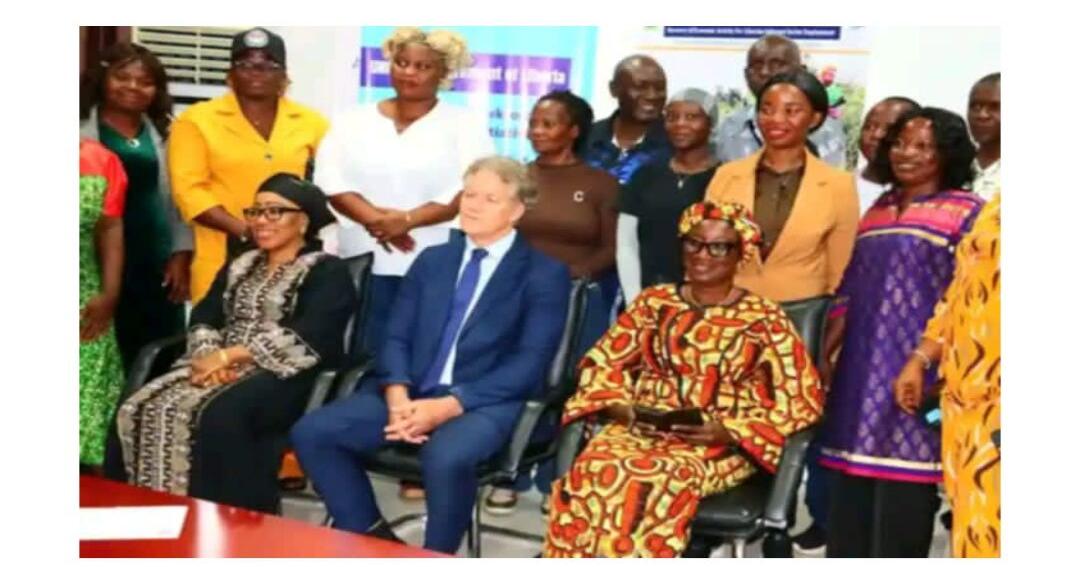
The Ministry of Gender, Children and Social Protection has partnered with United Nations Children’s Fund and Mother Pattern College of Health Science to launch a new Child Protection Curriculum Development Package aimed at strengthening Liberia’s child protection system and improving professional standards in social work across the country.
The agreement, signed this week in Monrovia, represents a coordinated effort to address long-standing gaps in training, capacity building, and service delivery for frontline child protection actors working with vulnerable children and families.
Officials involved in the initiative said the program will focus on equipping social workers and child protection practitioners with the technical knowledge, professional competencies, and practical skills needed to respond more effectively to child welfare concerns at both community and institutional levels.
A major component of the initiative is the specialized training of 60 social workers drawn from various counties across Liberia. The training is expected to improve consistency in case management practices, strengthen adherence to child protection standards, and enhance the quality of services provided to vulnerable children nationwide.
“The strength of any child protection system depends on the people on the ground,” a Ministry official stated during the signing ceremony. “By investing in the technical capacity of our social workers, we are investing directly in the safety and well-being of Liberia’s children.”
UNICEF representatives described the curriculum package as part of broader efforts to professionalize Liberia’s social work sector and strengthen the country’s child protection workforce.
The UN agency has remained a longstanding partner in Liberia’s child protection and social welfare programs since the post-war period, supporting policy development, workforce training, case management systems, and institutional reforms aimed at protecting children and vulnerable populations.
Mother Patern College of Health Science, one of Liberia’s established health training institutions, is expected to play a leading role in the development and implementation of the curriculum. Stakeholders say the institution’s involvement will help anchor the training program within Liberia’s formal education and health services framework while creating a pathway for sustained local ownership and accreditation.
Liberia’s child protection system has long faced challenges linked to limited financial resources, uneven service coverage across counties, and a shortage of formally trained social workers. Many frontline practitioners currently rely largely on practical experience and informal training, resulting in inconsistencies in case management, referral systems, and follow-up support services.
Officials say the new curriculum package is intended to address these challenges by establishing standardized competencies and professional benchmarks for social workers throughout the country.
The curriculum is expected to cover areas including child rights, safeguarding procedures, psychosocial support, case management, referral mechanisms, and professional ethics. Training sessions will combine classroom instruction with practical field-based learning to ensure that participants can effectively apply the skills in real-world situations.
The initiative also aligns with Liberia’s national social welfare policy and the country’s commitments under the United Nations, which emphasizes the protection and welfare of children.
Stakeholders have for years called for the professionalization of social work in Liberia, noting that unlike sectors such as nursing, teaching, and midwifery, social work has lacked a structured pre-service training system and nationally recognized curriculum tied to accreditation standards.
“This is about moving from ad hoc training to a structured, accredited approach,” a UNICEF program officer explained. “When social workers have a clear professional identity and standardized training, it improves accountability and outcomes for children.”
According to officials, the 60 social workers selected for the first phase of the program are expected to serve as a core network of trainers and practitioners who can later transfer knowledge and best practices to colleagues in their respective counties.
The Ministry of Gender, Children and Social Protection indicated that the long-term goal is to expand the initiative nationwide and integrate the curriculum into both pre-service and in-service social work training programs.
Details regarding the curriculum structure, implementation timeline, and participant selection criteria are expected to be released in the coming weeks. Ministry officials said efforts will be made to ensure broad geographic representation, including participation from hard-to-reach communities across Liberia.
Photographs released following the signing ceremony showed officials from the Ministry, UNICEF, and Mother Patern College endorsing the agreement, signaling strong institutional support and commitment to the initiative.
Stakeholders believe that if successfully implemented, the program could become a national model for collaboration between government, academic institutions, and international partners in building a more professional, responsive, and accountable child protection workforce in Liberia.
Credit: Source link