

Fulani group questions United States’ position on insecurity in Nigeria
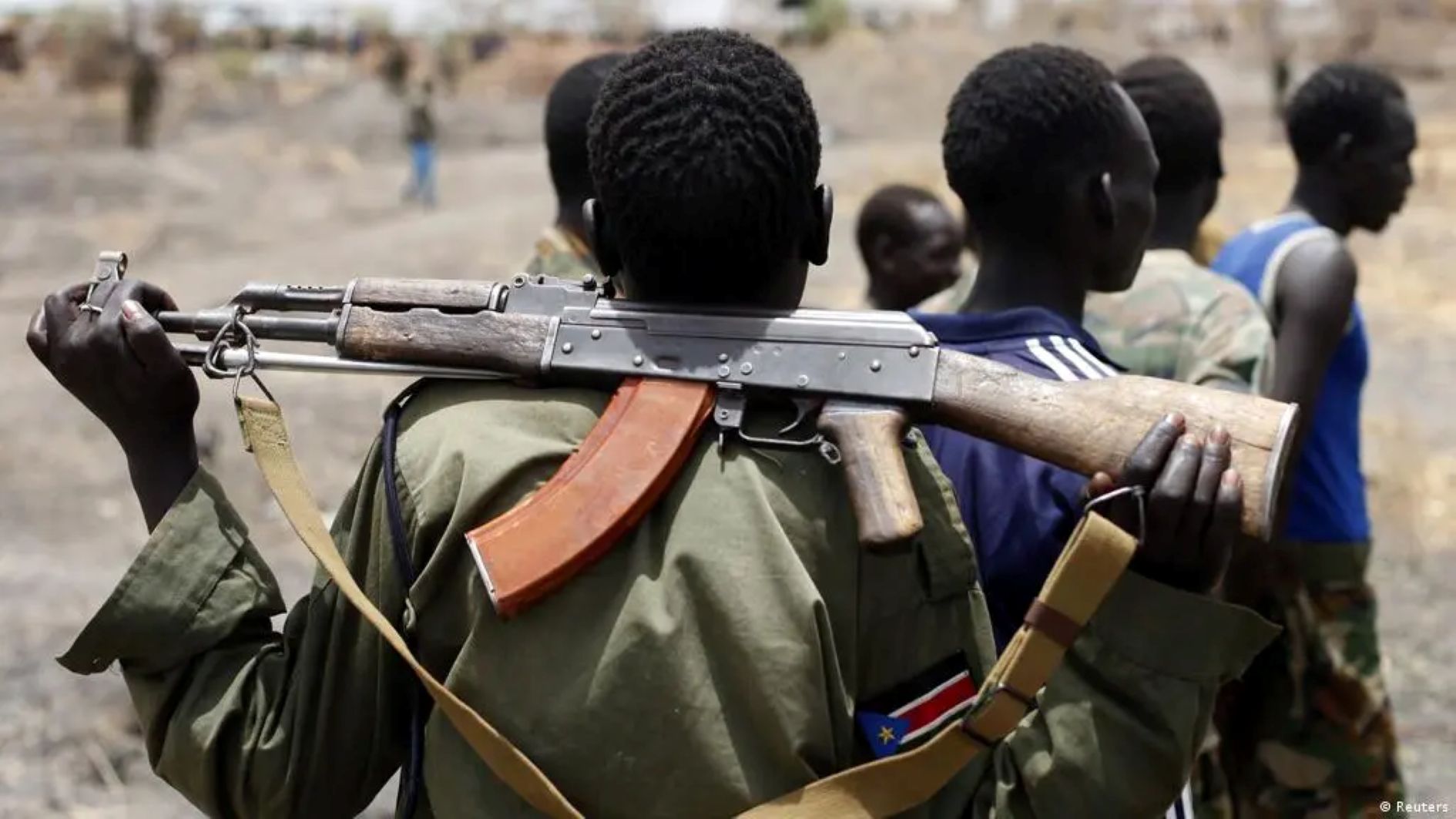
A group identified as The Concerned Fulani People of Nigeria has raised concerns over what it described as contradictions in the United States’ evolving narrative regarding insecurity in Nigeria, particularly on issues relating to Fulani herders and allegations of “Fulani militancy.”
In a rejoinder signed by Ibrahim Barkindo Chubado and made available to journalists yesterday, the group questioned what it called the repeated “back-and-forth posture” of the United States on Nigeria’s security challenges.
According to the statement, earlier assessments reportedly linked to the United States government had cautioned against portraying the Fulani ethnic group as either the singular source of insecurity in Nigeria or enemy of the country.
The group claimed that previous U.S. reports rejected sweeping accusations against Fulani communities, describing such narratives as politically motivated and lacking factual balance.
It added that those reports also warned against ethnic profiling and generalisations capable of escalating communal tensions.
The statement recalled that those earlier assessments emerged during the administration of former President Muhammadu Buhari, when public narratives around insecurity frequently linked incidents of kidnapping, banditry, and violent crimes to Fulani identity or Islam.
According to the group, this trend contributed to widespread hostility toward innocent Fulani communities in parts of Southern Nigeria and the North-Central region.
The statement alleged that several Fulani settlements were attacked during that period, while businesses were destroyed and cattle killed because of ethnic profiling and misdirected retaliatory sentiments.
It further argued that conflicts involving herders and farmers were often oversimplified in public discourse, despite security experts repeatedly pointing to underlying causes such as land disputes, environmental pressures, grazing routes, and local political tensions.