

Femi Otedola denies $300m Dangote refinery funding claim
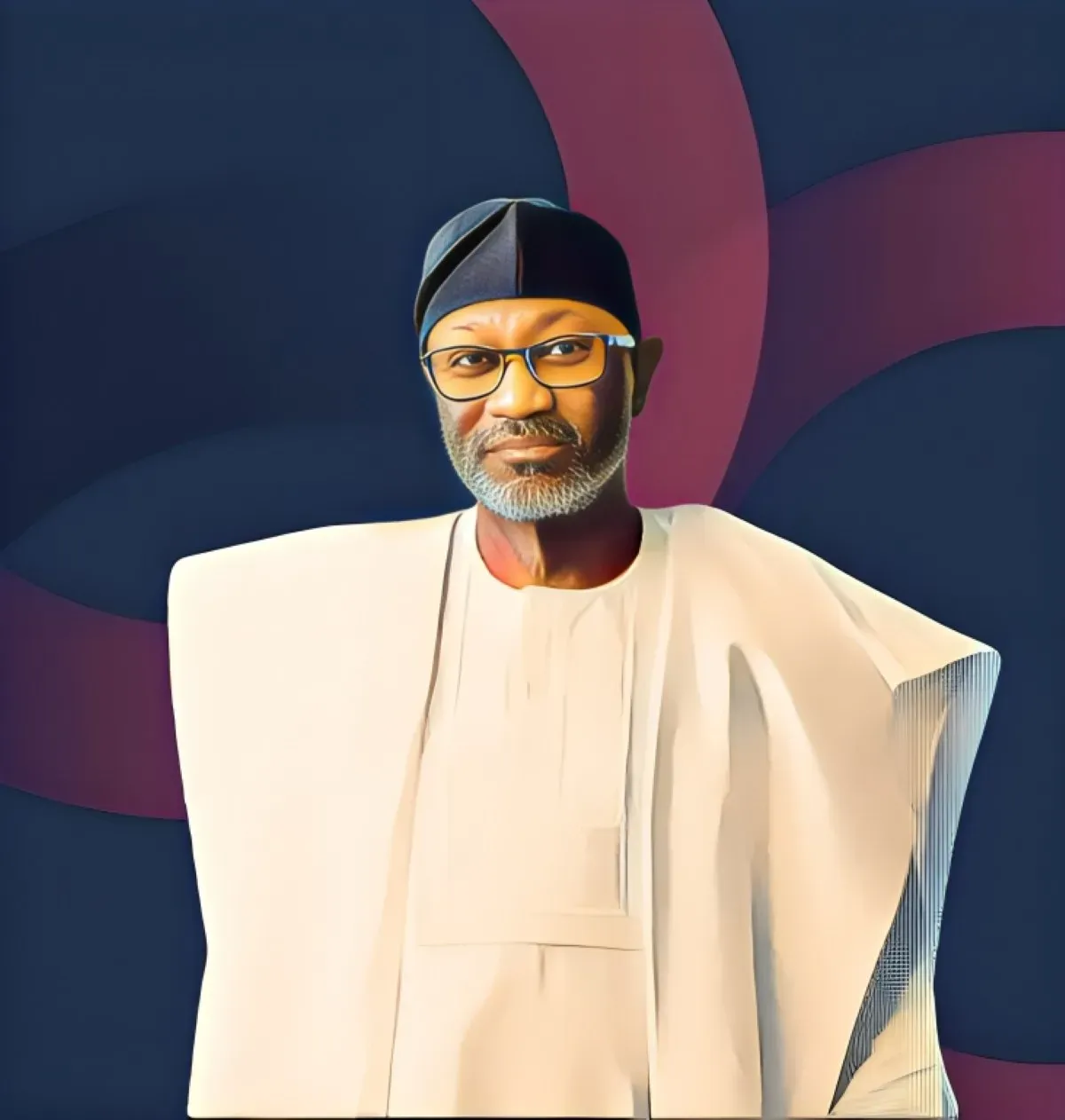
Femi Otedola has flatly denied that he contributed $300 million toward the construction of the Dangote Petroleum Refinery, calling a viral social media claim to that effect “completely and utterly false” and describing it as “calculated mischief” deliberately designed to create friction among Nigeria’s leading businessmen.
Otedola posted his denial on X on Monday after a claim attributed to Aliko Dangote circulated widely online, alleging that in 2021, when the $20 billion refinery was approximately halfway through construction, Dangote appealed to a group of prominent Nigerian billionaires for financial support. The post named Otedola, Tony Elumelu, Mike Adenuga and Abdulsamad Rabiu as the businessmen approached. It alleged that Elumelu had pledged $20 million before becoming unreachable, and that the group collectively raised $500 million, with Otedola said to have personally contributed $300 million.
“I have not invested a single kobo, not one dollar, not one naira in the refinery project,” Otedola said. He went further, stating that Dangote never approached him or the other named businessmen for financial assistance at any point during the construction period.
The Dangote Group had already distanced itself from the claims before Otedola responded. In an official statement signed by Anthony Chiejina, the group’s chief branding and communications officer, the company said neither Dangote nor the organisation made the statements attributed to them and that the publication had misrepresented both personal and corporate positions.
Why the claims do not hold up
The Dangote Petroleum Refinery’s financing has been extensively documented in corporate announcements, regulatory filings and banking transactions. The project was funded through a combination of Dangote Group’s own equity, a $3 billion NNPC stake that has since been converted to equity, and a series of structured syndicated loans arranged through international and pan-African development finance institutions. In March 2026, Afreximbank anchored $2.5 billion of a $4 billion syndicated credit facility, described as the largest single syndicated transaction the bank had ever led.
Nothing in that financing architecture involves informal cash contributions from Nigerian businessmen. The refinery’s capital structure is institutional in every respect: it was negotiated by investment banks, documented by international law firms, rated by credit agencies and reported to the Securities and Exchange Commission in connection with the planned pan-African IPO that Dangote has announced for mid-2026.
Otedola acknowledged the financing reputation of Dangote Group in his post, noting that the conglomerate has a well-established track record of securing structured, institutional financing for its large-scale projects independently.
The broader concern
What makes the viral post notable beyond its content is the target it chose. The 4 businessmen named in the claim include Otedola, currently Nigeria’s most closely watched banker as FirstHoldCo chairman; Elumelu, who chairs UBA Group and Heirs Holdings; Adenuga, the founder of Globacom and Conoil who turned 73 this weekend; and Rabiu, whose BUA Group has posted record profits in 2025 and whose net worth recently crossed $14 billion.
They are 4 of the 6 or 7 most prominent private sector figures in Nigeria, and they are all publicly associated with each other through business history, social relationships and the shared experience of building major companies in the same difficult operating environment. Otedola read the fake post as an attempt to exploit that closeness.
“The attempt to sow discord within Nigeria’s closely knit and respected business community must be condemned,” he said. “Those responsible for spreading this misinformation should desist.”
He did not speculate publicly about who was behind the claim or what their motive might be. The Dangote Group’s statement similarly avoided assigning blame, focusing on the factual inaccuracy rather than the intent behind it.
The episode adds another entry to a growing list of viral financial misinformation cases in Nigerian social media, where fabricated quotes attributed to prominent figures can accumulate hundreds of thousands of shares before being corrected. The correction rarely travels as far as the original claim.
Crédito: Link de origem