

Fears grow that Ebola could reach DRC capital by the end …
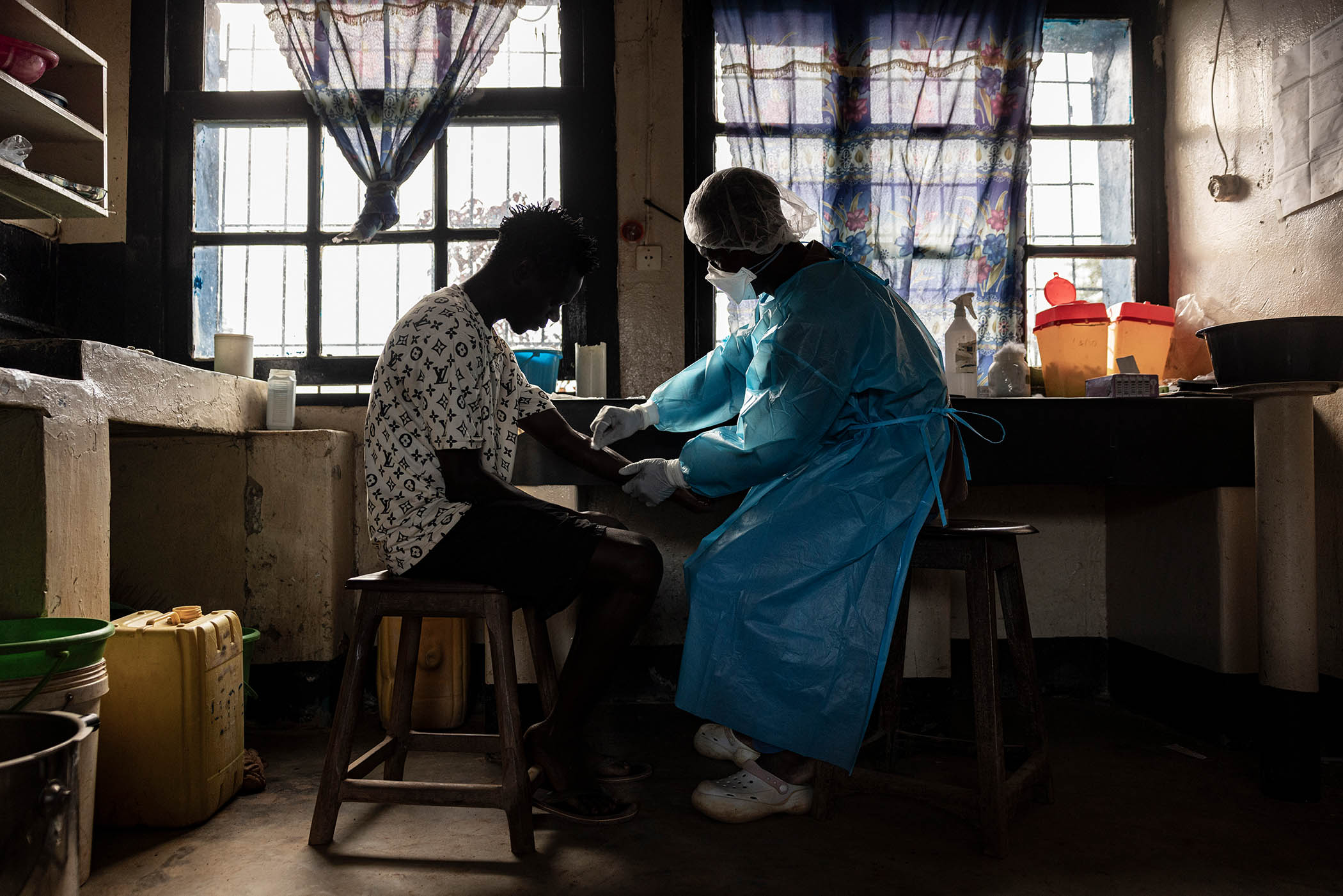
Throughout August, global health officials, scientists and African heads of state held a series of crisis meetings to discuss the Ebola outbreak that has raged across the Democratic Republic of Congo (DRC) since May, killing thousands.
The latest reports from the epicentre of the outbreak were grim. Stricken patients were dying outside treatment centres deep in the countryside. Aid workers reported people throwing the bodies of dead relatives on to the backs of bicycles or motorbikes and carrying them away into the countryside for traditional burial.
Without a change of strategy, better coordination on the ground and a massive increase in funding, experts warned, the virus would run out of control. Unchecked, it would threaten the DRC’s capital, Kinshasa, placing 18.5 million people in the path of the disease.
“The virus is still ahead of us,” Tedros Adhanom Ghebreyesus, director general of the World Health Organization (WHO) told The Observer. “It had a big head start, and we are still playing catch-up.”
Sure enough, the outbreak that began in the east of the country is still spreading west. Last week, the virus reached the northwestern province of Sud-Ubangi, up river from Kinshasa.
At the centre of the debate is Professor Jean‑Jacques Muyembe, the veteran Congolese scientist dubbed “the Ebola hunter”. The director of the National Institute of Biomedical Research in Kinshasa, Muyembe led the team that first discovered Ebola in 1976 and has spearheaded the Congolese response to every outbreak of the disease in the 50 years since.
At last month’s emergency meetings, the professor, now aged 84, was blunt with African leaders about the scale of the crisis .
“Muyembe said the outbreak was out of control,” said Dr Sabue Mulangu, a senior Congolese Ebola scientist and close aide to Muyembe. “The political authorities were not happy to hear that, but it was a fact. He had to say it to wake up the authorities.”
Speaking to The Observer, Muyembe himself is straightforward about the decisions that needed to be made.
“You can’t play around with a virus as deadly as Ebola,” he says. “This outbreak came just as our health system had broken down.”
Sign up to newsletters from The Observer
For information about how The Observer protects your data, read our Privacy Policy
Alarm has mounted in the weeks since those meetings. While Ebola has drifted out of the news in the west after fears of an outbreak at the World Cup proved unfounded, the caseload in the Democratic Republic of Congo has continued to grow.
Driven by the rare Bundibugyo strain of Ebola, which has no approved vaccine or treatment, the outbreak is already the deadliest in Congolese history. First detected in the gold-mining town of Mongbwalu in May, the virus has spread to 61 health zones in seven provinces and is still on the move. Confirmed infections are nearing 7,000 and at least 3,349 people have died. Almost 600 new cases were added in the past week – a 14% spike in the infection rate compared with the week before.
The WHO believes the epidemic is on course to surpass the 2014-2016 Ebola outbreak in West Africa, the deadliest in history, in which at least 11,325 deaths were reported. Speaking in Geneva earlier this month, Tedros said the DRC epidemic was “already the second-largest on record, and the fastest-moving that we have ever seen”.
But the international response has been hampered from the outset by a collapse in funding triggered by Donald Trump’s decision to withdraw the US from the WHO, which was finalised in January.
The dismantling of USAID, led by Elon Musk in the early days of the second Trump administration last year, had already slashed critical American aid to developing nations. In DRC, that has stripped away vital early warning networks on the ground in rural areas like Mongbwalu. Although the first cases were detected in May, experts believe the disease had probably been circulating since January.
African nations have long demanded greater sovereignty over health strategy and a shift away from their historic dependence on foreign aid. But now they face a looming catastrophe as overseas assistance dwindles. The loss of American leadership has prompted other western governments, including the UK, to cut their own funding.
“It is very bad, because to defeat an outbreak like this you need a lot of resources. You need money,” said Mulangu. “Less money is less intervention… Sometimes you have to choose. Maybe you want to send more people… you want to buy more stuff… but you cannot.”
Jeremy Konyndyk, president of Refugees International, helped lead the US response to the West Africa epidemic. “You’ve got a weaker WHO because of the US withdrawal and the huge funding cuts. You’ve got USAID and all its programmes and partners completely gone,” he said.
“I firmly believe it would have been caught earlier if some of that USAID presence and capacity had not been dismantled.”
A diplomatic cable sent in August from the US embassy in Kinshasa and seen by The Observer conceded that “funding constraints – including reduced global funding to WHO… have weakened logistical support and support to community-level activities, hampering an integrated response”.
International aid groups “did not begin conducting activities at scale until early August,” the cable went on.
“By the time activities were under way, the scale of the outbreak was outpacing response efforts, which were planned in the outbreak’s early stages,” US diplomats added.
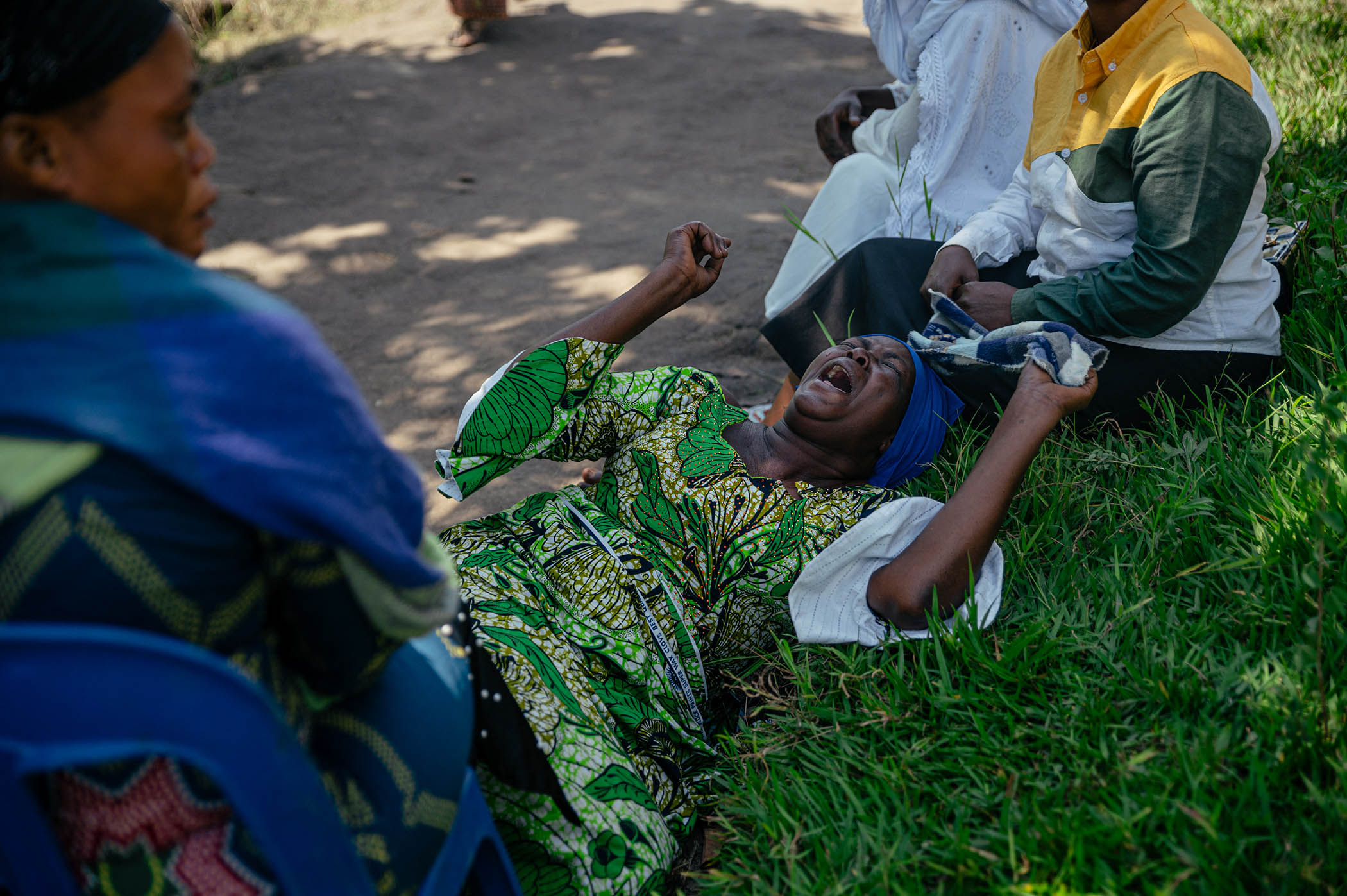
The cable noted that the state department has allocated more than $200m to the fight against the outbreak and the US is now the biggest foreign contributor by far. But administrative delays have “delayed [the US government’s] ability to scale up its Ebola response”. US funds allocated in late June did not begin to arrive in DRC until mid-August.
Mulangu described the frustration among health officials who could only watch as the outbreak slipped beyond their control. When the virus emerged in North Kivu province, they were unable to respond because scant resources were already being used in the city of Bunia.
“They could have controlled North Kivu because it started small. I was reading the data: it was one case, two cases, three cases. But no response there, because all the teams were in Bunia,” he said.
The race to contain the outbreak is further complicated by the civil conflict that has divided DRC since last year. M23 rebels have seized eastern districts, including swathes of North Kivu, one of the regions hit hardest by Ebola. 1
The fighting has displaced hundreds of thousands within the country since last year. Thousands more have fled into neighbouring countries, making contact tracing all but impossible.
“The surveillance was not good in this area. I think this is the most important reason why the outbreak was detected late,” said Muyembe. Contact tracing was all the harder because some patients escaped to the conflict zone where health workers couldn’t follow.
Speaking by video call from his office in Kinshasa, Muyembe was visibly exhausted as he prepared to head out again for the epicentre of the outbreak last week.
Despite decades of experience fighting the virus he has called his “old friend”, Muyembe admitted that his team had been caught out by the return of the Bundibugyo strain, which has not been seen in Congo since 2012.
“The doctors and nurses were not familiar with this kind of Ebola,” he said. “Ebola is now a disease we can treat and we can prevent, and we were proud of that. But… this strain of Bundibugyo… can also threaten the DRC and even the population of the world because we have no vaccine… no treatment.”
“So it means that even [though] we are prepared for the next pandemic, we lose this battle.”
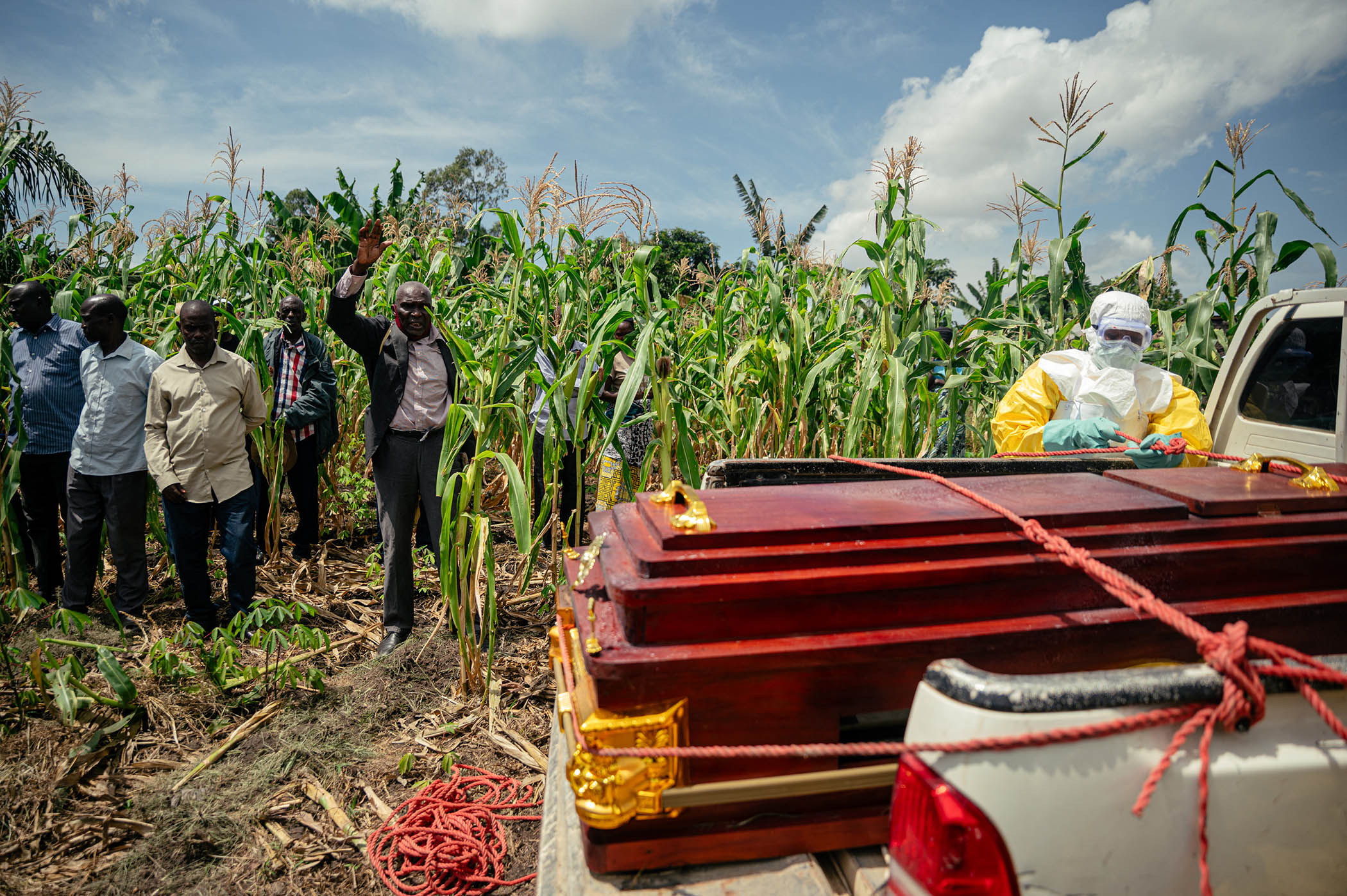
Over the course of 50 years, Muyembe’s team has built a vast surveillance network among the country’s 400 tribes, each of which has its own language. But in the first weeks of the outbreak, the system buckled. Within days, health workers ran out of testing cartridges and reagents. It was enough to let the virus through.
“So, we stopped the diagnosis… The outbreak arrived just as parts of the machinery were losing money, people and capacity,” Muyembe said in a separate interview.
Since he first drew blood from a sick nun infected with an unknown virus in 1976, Muyembe has been at all 17 Ebola outbreaks in DRC and a central figure in building the world’s understanding of the disease. Though widely hailed as a legend, he has faced controversy along the way, notably during the 1995 outbreak when he authorised transfusions of blood from patients who survived the disease into eight sick patients. Western medics were horrified, although seven of the patients survived.
Muyembe has accused western institutions of reducing African researchers to sample collectors while analysis and recognition has gone abroad. During the 2018 outbreak he insisted that all blood samples should stay in Congo, something that was unthinkable a few years earlier.
At the crisis meetings last month, Muyembe demanded a change of coordinator, bringing back a former colleague who worked alongside him through the 2018 Ebola epidemic and the Covid-19 pandemic. DRC and its partners have launched a new $1.3bn plan to expand the response on the ground, with more field hospitals, thousands more workers and a new contact tracing programme.
With his own team around him and new funding secured, he is confident of taming this outbreak. “We still have a lot of problems in the field,” he conceded, but added: “I affirm now that the outbreak is under control.”
“It’s clearly out of control. There’s no point in pretending it’s not,” said Dr Thomas Ksiazek, a veteran Ebola virologist and former director at the US Centers for Disease Control and Prevention. “That’s ridiculous, an out-and-out misappropriation of the truth.”
Alarm bells keep ringing. A river boat was intercepted 40 miles upstream from Kinshasa last month after a passenger died on board. Seven passengers who were quarantined tested negative for Ebola and no trace of the virus was found on board, but health experts are still battling to turn the outbreak back from the capital. A WHO model predicts a 70% chance of a case being detected in Kinshasa by the end of September.
“What is most scary is when it hits large urban centres,” Konyndyk said. “If it were to reach Kinshasa, or really start spreading in Goma, then you would have a much bigger challenge on your hands… It could get into the Central African Republic; it could get into South Sudan. If it hits South Sudan, there is nothing to stop it.”
As the international response ramps up, DRC received 16,000 doses of the Ervebo vaccine that is effective against the “Zaire” strain of Ebola. Muyembe said early tests suggest it offers some protection against Bundibugyo.
There are further promising indicators from some field laboratories, where infection rates have dropped from above 40% to below 10%.
But experts predict that the outbreak will continue for months, raising the risk that the virus could mutate, producing new, deadlier variants.
“The ceiling could be millions of cases… We are rolling the dice over and over and over the longer it is allowed to spread uncontrolled,” Konyndyk said.
“The more you let that order of magnitude expand, the more often you are giving it a chance to evolve in a yet more dangerous way… Everyone is dropping the ball on this. The trajectory we are on is that this could run functionally indefinitely.”
Photographs by Michel Lunanga/Getty Images, Jospin Mwisha / AFP via Getty Images
Credit: Source link