

fDi Intelligence – Your source for foreign direct investment information
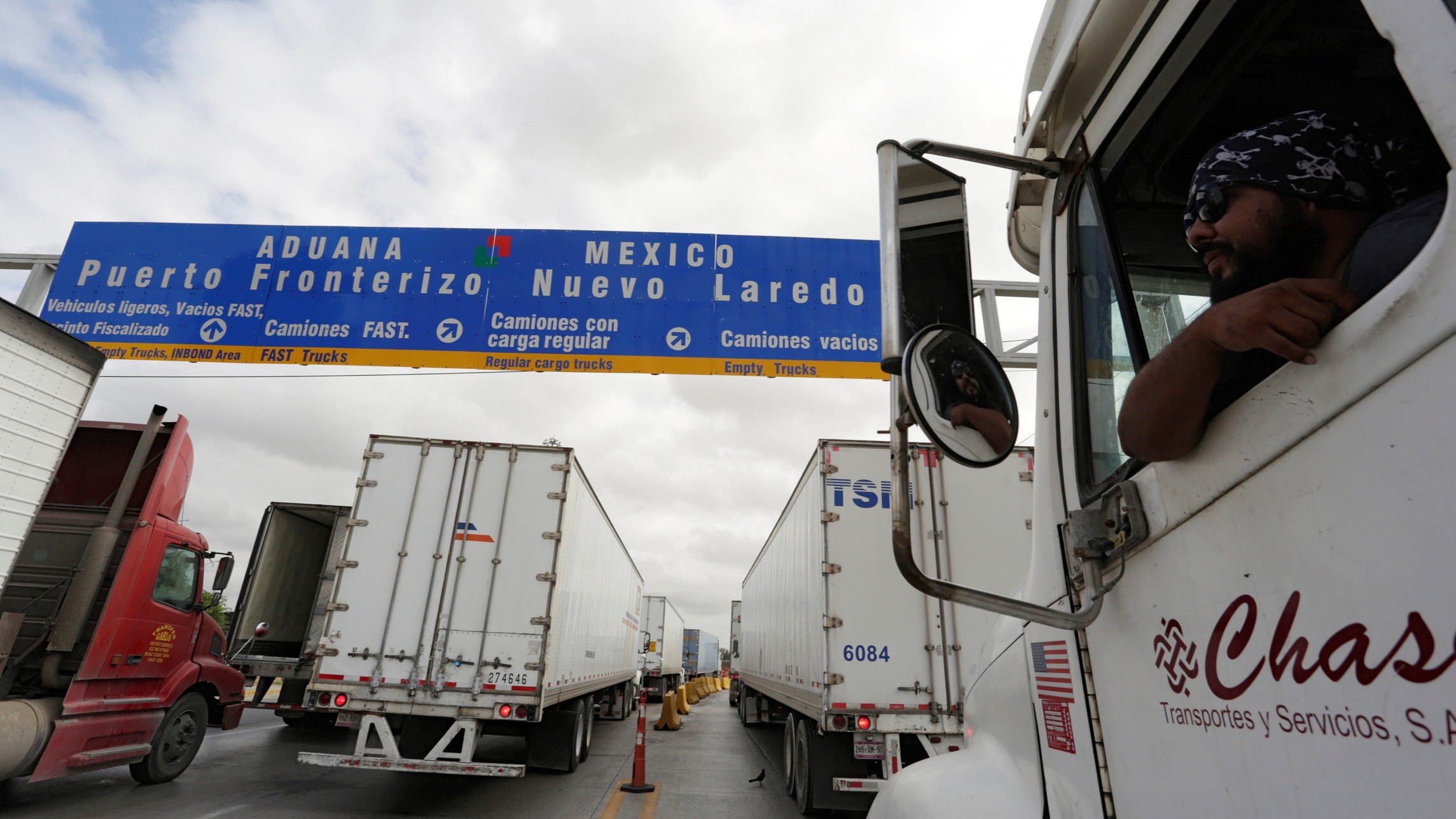
Washington is considering new rules on foreign capital in an updated USMCA to clamp down on Chinese auto suppliers using Mexico as a back door into the US, according to the Latin American country’s lead negotiator of the original pact.
The first review of the North American trade agreement officially beings on July 1, with the Trump administration steadfast on using the process to contain China by preventing it from gaining preferential access to the US.
Today, goods can benefit from USMCA if they satisfy rules of origin, which set minimum thresholds for the manufacturing of inputs within the three-country bloc. It means the surge of Chinese manufacturing investment in Mexico since 2021, when US tariffs on Beijing started to bite, can benefit from the trade pact through tariff-jumping provided they comply with the rules of origin.
Washington wants to change that. “We are hearing the US wants to introduce limitations as to the percentage of Chinese components that can be included in a North American vehicle in order for the car to qualify,” says Kenneth Smith Ramos, partner at law firm Agon and Mexico’s former chief negotiator of the original USMCA.
One idea is to restrict the origin of capital, for example, setting a maximum level of equity capital from outside North America that is allowed in companies supplying components to vehicles vying for the tariff preference. “That is something the US is exploring,” says Smith Ramos.
The second Trump administration has used other trade pacts to restrict foreign investors’ ability to leverage tariff benefits. Its agreement with Indonesia seeks rules of origin that “primarily” benefit the two countries. The US-UK pact requires the latter to meet US requirements on “the nature of ownership” of facilities exporting stateside.
But Smith Ramos describes any attempt to introduce capital origin rules under USMCA as “a big leap in changing the way origin is determined”.
No export platforms
The auto industry is at the heart of the US’s pursuit of new avenues to restrict Chinese-backed production from benefiting from USMCA. North America’s highly integrated auto supply chains were already a key topic in the original negotiations in 2018.
But Mexico’s auto industry has become a bigger pain point for the US because of a rush of $6.1bn (according to fDi Markets estimates) in Chinese auto greenfield investment in the three years to 2026. This is up from more than $1.55bn over the three years prior and has concentrated in Nuevo Leon in the north.
I would be surprised if rules of origin remain capital-agnostic
“For more than a year, I’ve recommended that clients watch for new rules of origin that include restrictions on the origin of capital and technology,” says Antonio Ortiz-Mena, president of consultancy AOM and a Nafta negotiator for Mexico. “I would be surprised if rules of origin remain capital-agnostic.”
USTR didn’t respond to a request for comment on whether it was considering capital origin rules. However, US trade chief Jamieson Greer told Congress last year that USMCA can’t be “an export platform for third countries”.
Boston Consulting Group reports “moderately high” expectations among auto executives that a revised USMCA will cap Chinese content in their supply chains based on ownership.
Screening pressure
Capital rules are one part of Washington’s multipronged strategy to use USMCA’s review to cut Chinese inputs in strategic supply chains. Another is getting Mexico to establish a national security screening mechanism which covers the same industries as the Committee on Foreign Investment in the United States.
Nothing materialised from a bilateral working group established by the two governments in 2023, intended by the US to encourage Mexico to launch its own Cfius. Ortiz-Mena describes screening as a “big” issue for the US and expects it to be “a critical piece” of US-Mexico negotiations. Economic security was a topic in their first round of technical discussions in May and Smith Ramos says the US has been “pushing hard on Mexico” to establish investment screening for one year.
Yet data tracked by Rhodium Group shows that mergers and acquisitions, the traditional target of national security regimes, account for just 4.5 per cent of Chinese investment in Mexico since 2016. This suggests screening would not be the most effective way to curb sensitive Chinese capital inflows.
Mexico’s government has indicated it is willing to consider concrete proposals from the US, provided it is assured of relief from US tariffs and the further integration of their economies.
The government is also facing resistance to Chinese investment and trade from local industry, says Ortiz-Mena. This is particularly true among auto part producers, which are competing against an influx of Chinese-made vehicles that last year accounted for 19 per cent of sales, according to local business groups.
Ortiz-Mena says the government’s move in January to raise tariffs on more than 1,400 goods from non-FTA partners, ostensibly targeting China, was not only to appease the US but also Mexican corporates. “Chinese investment . . . is a Mexico-China issue beyond the US,” he says.