

Ex-cop pleads guilty to smuggling arms from Florida to Haiti
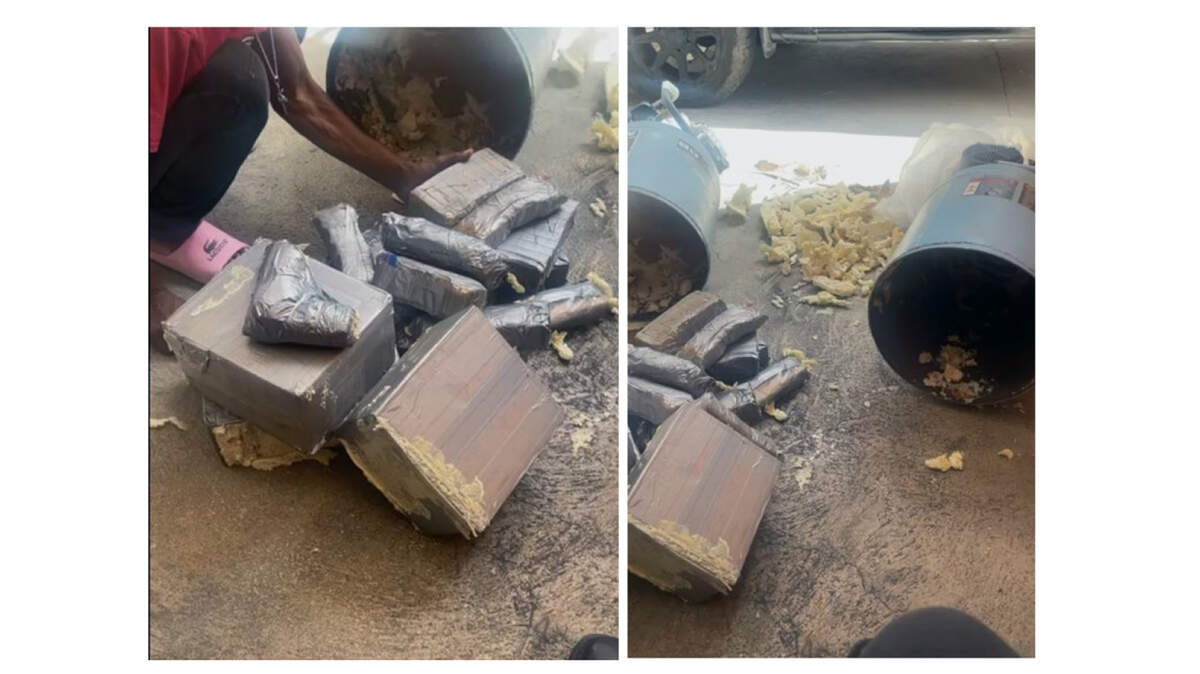
Jean Robert Casimir, who once served on the security team of a former Haiti National Police chief, was arrested in December after U.S. investigators traced two semi-automatic AR-15 assault weapons back to him. He smuggled guns to his native Haiti in air compressors.
U.S. government’s arms trafficking federal complaint
A former Haitian national police officer pleaded guilty on Tuesday to illegally exporting more than 140 firearms from South Florida to Haiti, including weapons that authorities say he bought without obtaining a license to ship them to the besieged Caribbean country.
Jean Robert Casimir, 53, a naturalized U.S. citizen of Lauderhill, Florida, pleaded guilty in the federal court in Washington, D.C., to conspiracy, smuggling and U.S. export control-law violations for his lead role in the elaborate weapons-trafficking operation between 2020 and 2024.
Casimir admitted that he exported the firearms without first obtaining the required license from the Department of Commerce’s Bureau of Industry and Security in Washington, according to a statement filed with his plea agreement. He faces up to 35 years in prison at his sentencing on Dec. 4, but because he has accepted responsibility for his criminal activity, his punishment is expected to be less than the maximum.
Casimir, who once served on the security team of a former Haiti National Police chief, was arrested in December 2024 after U.S. investigators traced two semi-automatic AR-15 assault weapons back to him.
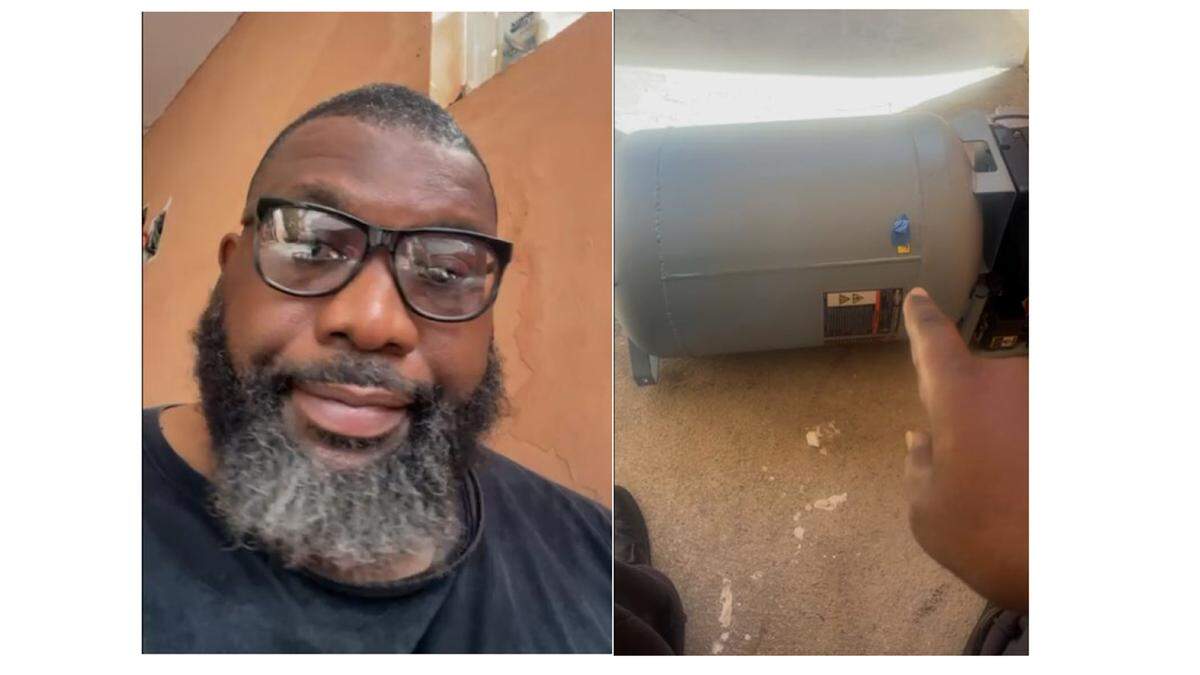
In total, Casimir purchased at least 108 firearms from federally licensed weapons stores and up to 35 firearms from an unidentified person in Florida, including rifles, pistols and shotguns of various makes and models, according to prosecutors.
Casimir and his co-conspirators smuggled the firearms by packing disassembled rifles and handguns with foam insulation inside industrial air compressors that they cut open and welded back together, according to his statement filed with the plea agreement. They then shipped these and other packages via boats leaving from the Miami area for Haiti, a country overwhelmed by a humanitarian crisis since the assassination of its president and the escalation of gang violence five years ago.
READ MORE: New tactics, routes arm Haitian gangs. Florida a key to illicit flow of guns and ammo
The investigation into Casimir took off after he was detained in August 2024 at Fort Lauderdale-Hollywood International upon a return trip from Haiti, court records show.
Customs and Border Protection agents questioned Casimir about his weapons exports, and he admitted to smuggling firearms to Haiti by packing them in boxes and delivering them to the crew of a boat that disembarked in a port in Miragoâne, south of Port-au-Prince, according to a criminal complaint and affidavit by Homeland Security Investigations.
But he lied about the frequency of his trafficking activities, low balling the number of firearms that he smuggled, the affidavit says.
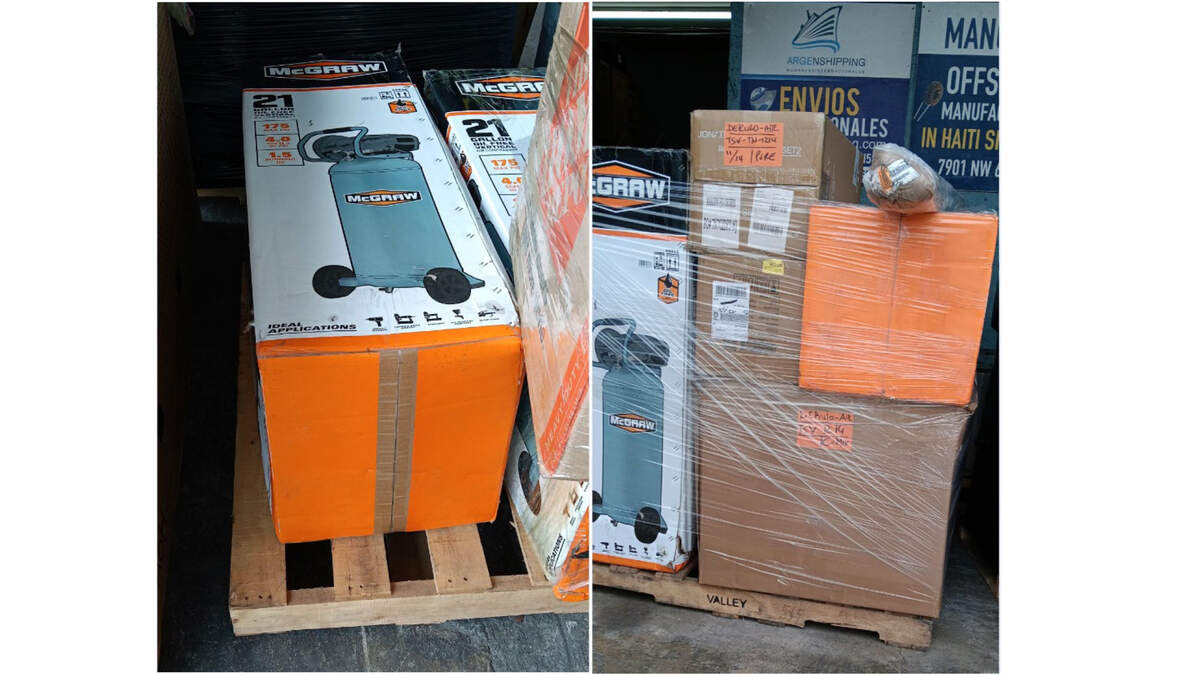
Agents seized both his Apple iPhones and “uncovered significant numbers of photos, videos, audio recordings, and text messages relating to the purchase of firearms in the U.S. and the sale of firearms in Haiti,“ the affidavit says.
“The records show the purchase of at least 87 firearms over the course of at least 30 separate transactions, of the type that generally match the firearms in the photographs law enforcement has viewed of the weapons in Haiti,” according to the affidavit.
Casimir denied selling firearms to gang members but provided an explanation about how some of his firearms ended up with Haitian street gangs. He claimed that “an employee of his was attacked by a gang while transporting firearms and several firearms were stolen by the gang during this robbery.”
The affidavit not only shows Casimir evading scrutiny of his weapons shipments into Haiti by sending them to a port outside of the capital, but in order to conceal the guns he hid them in air tanks of two large air compressors, according to iPhone videos he sent showing crews cutting them open.
“The series of videos appears to show that an angle grinder was used to cut the tanks in half,” the affidavit says. “Inside the tanks were duct tape-wrapped packages in the shape of firearms and firearm magazines. The tanks also contained boxes that could contain firearms, ammunition, magazines, or firearms parts.”
In fact, Casimir shipped multiple weapons to Haiti this way, agents said.
.jpeg)
Jay Weaver writes about federal crime at the crossroads of South Florida and Latin America. Since joining the Miami Herald in 1999, he’s covered the federal courts nonstop, from Elian Gonzalez’s custody battle to Alex Rodriguez’s steroid abuse. He was part of the Herald teams that won the 2001 and 2022 Pulitzer Prizes for breaking news on Elian’s seizure by federal agents and the collapse of a Surfside condo building killing 98 people. He and three Herald colleagues were 2019 Pulitzer Prize finalists for explanatory reporting on gold smuggling between South America and Miami.