

Equatorial Guinea accused of sending U.S. deportees back into danger
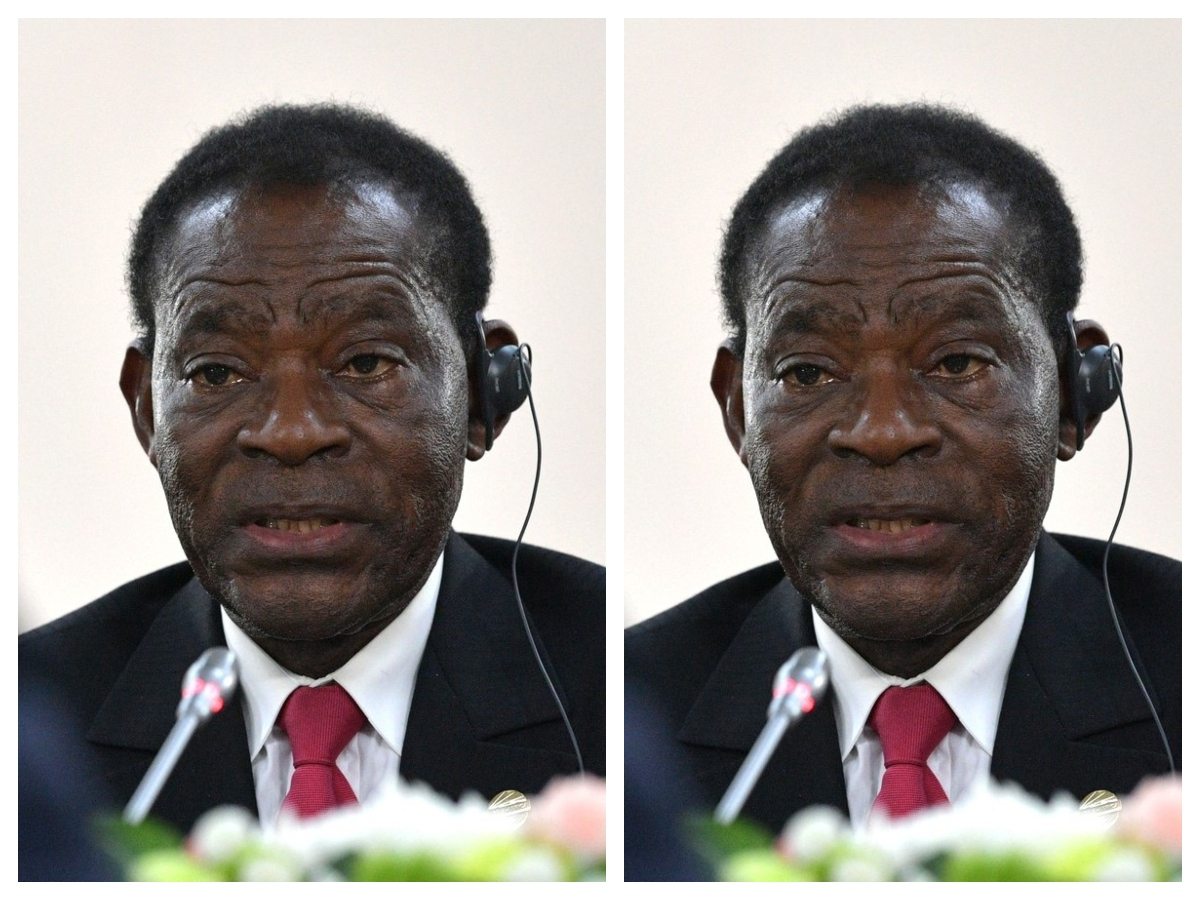
Human rights advocates have taken Equatorial Guinea before Africa’s leading rights watchdog, accusing the country of helping facilitate deportations that ultimately sent migrants back to places where they faced serious risks.
The complaint, filed on Friday with the African Commission on Human and Peoples’ Rights, seeks urgent intervention to stop any further removals, transfers or deportations linked to the arrangement. The legal action also calls for improved detention conditions and compensation for individuals who have already been returned to their countries of origin.
Several rights organizations, including the Global Strategic Litigation Council coalition, are behind the case. They are representing 14 African migrants who were deported from the United States to Equatorial Guinea between November 2025 and April 2026.
Although the African Commission on Human and Peoples’ Rights lacks the power to issue binding rulings, it can order urgent measures and refer matters to the African Court on Human and Peoples’ Rights. Campaigners argue that the case could set an important precedent and increase pressure on African governments that have accepted deportees from the United States.
According to Beatrice Njeri, the Global Strategic Litigation Council’s regional litigator for Africa, the matter is unprecedented in the region because it involves individuals who had already secured legal protection against removal but were nevertheless sent to countries where they could face persecution.
The commission has recently shown willingness to examine similar concerns. In March, it agreed to hear a case challenging the prolonged and unlawful detention of third-country deportees in Eswatini.
That challenge produced a significant development a month later when Eswatini’s Supreme Court ruled that four deportees held in a maximum-security prison could finally access legal representation after spending nine months without in-person meetings with lawyers.
Rights advocates say the lawsuit is tied to a broader immigration strategy pursued by the Trump administration. Through a network of largely undisclosed agreements, thousands of people have reportedly been deported to nearly two dozen countries that are not their own. Immigration attorneys contend that these third-country removals function as a workaround that can result in asylum seekers being sent back to the very places they were protected from returning to.
READ ALSO: Trump administration faces questions over $7.5 million transfer to Equatorial Guinea
Equatorial Guinea is among at least eight African countries that have entered into such deportation arrangements with the United States.
Lawyers involved in the case say six deportees were transferred by Equatorial Guinea to their countries of origin in eastern Africa last week. They argue that the move constitutes “chain refoulement,” the indirect return of individuals to locations where they remain vulnerable to persecution despite protections granted by U.S. courts.
The legal team says those affected risk political, religious and ethnic persecution, while some also face threats linked to their sexual orientation. Several had previously been detained by military or police authorities in their home countries, and many reported experiences of torture and sexual violence. Each of them had earlier received protection from U.S. immigration judges preventing their return under federal immigration law.
After arriving in their home country, two of the deportees fled again and are now reportedly living in hiding elsewhere.
Three others were sent back to Equatorial Guinea after authorities in their country of origin declined to accept them because they lacked valid travel documents and had not been informed in advance of the deportees’ arrival.
As a result, those migrants remain stranded in Equatorial Guinea with no clear legal status.
“They have effectively been rendered stateless,” said Bella Mosselmans, director of the Global Strategic Litigation Council, describing the process as a “a cycle of hell.”
The case also shines a spotlight on a reported $7.5 million agreement between the U.S. and Equatorial Guinea. Under the arrangement, at least 32 people have been deported from the United States to the Central African nation. U.S. Senator Jeanne Shaheen, the ranking Democrat on the Senate Foreign Relations Committee, has described Equatorial Guinea as “one of the most corrupt governments in the world.”
Recent reporting by The Associated Press documented the experiences of deportees who were ultimately returned to their home countries. The news agency also obtained rare access to a hotel that had been converted into a detention facility for asylum seekers deported from the United States under the authority of President Teodoro Obiang Nguema Mbasogo.
Despite being one of Africa’s wealthiest nations because of its oil reserves, Equatorial Guinea has long faced accusations of corruption and human rights violations from U.S. officials and international rights groups.
Critics say public dissent is almost nonexistent in the country, where authorities have repeatedly been accused of detaining, torturing and even killing opponents and outspoken critics.
READ ALSO: U.S. deportees arrive in Sierra Leone under controversial Trump migration deal
The United States maintains significant ties with Equatorial Guinea. American companies are among the country’s largest foreign investors, while its military continues to receive U.S. government funding for training programs.
Credit: Source link