

Elon Musk: SpaceX can build a carrier in 2 or 3 years
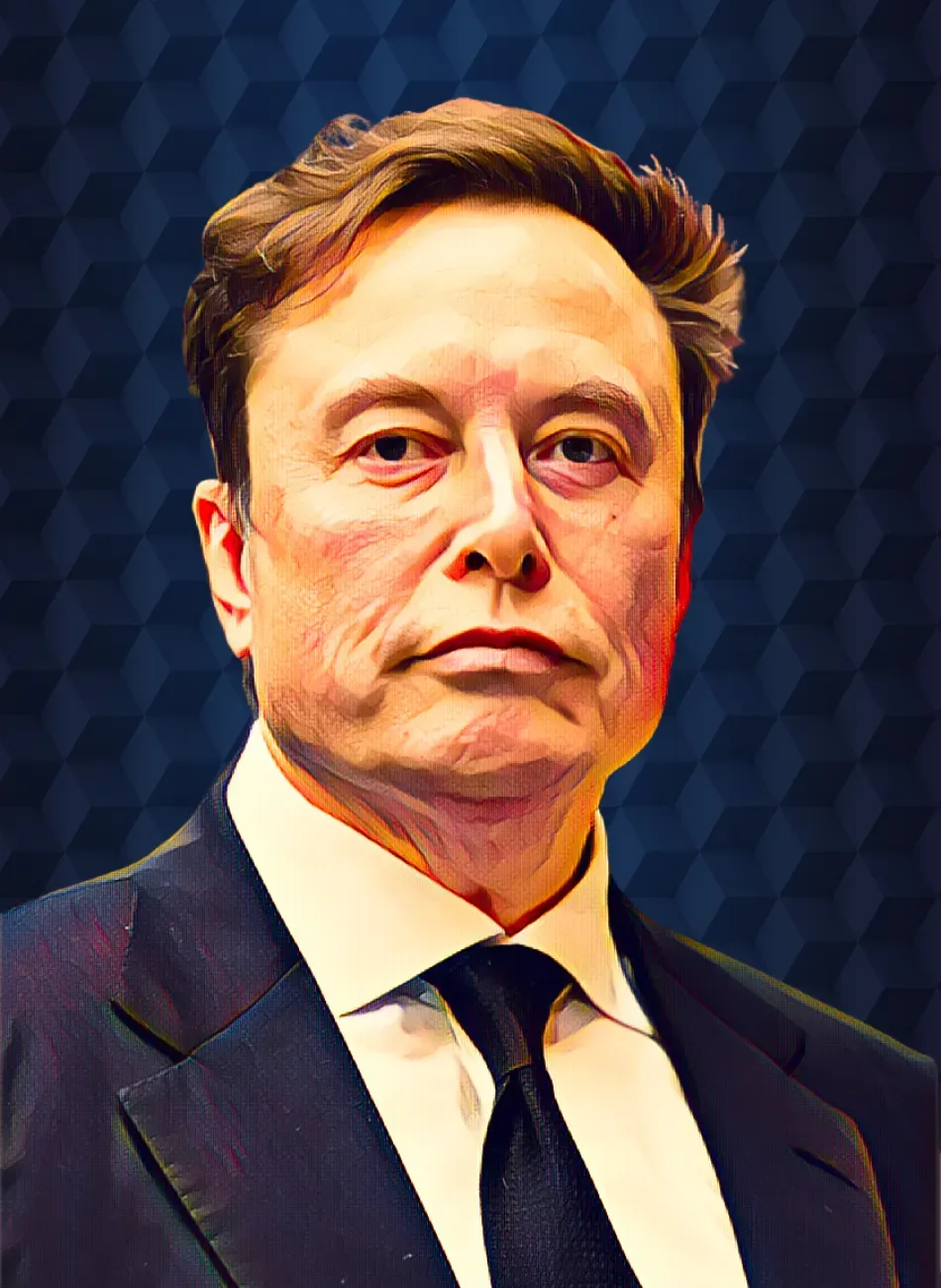
Elon Musk said SpaceX can build a US mobile network in “2 or 3 years,” replying on X to Verizon’s chief executive, who told analysts on Monday that it would take at least four to six years and between $300 billion and $500 billion.
“There is no magic wand. There’s no secret sauce. There’s no shortcut,” Verizon CEO Dan Schulman said on his company’s third-quarter earnings call. He said SpaceX would need 65,000 to 80,000 large cell sites, plus backhaul, fiber, radio equipment and “a tremendous amount of spectrum,” and then retail, customer service and back-office systems. “Their service just can’t compete with a terrestrial network in suburban and urban areas, where like 98% of our revenues are,” he said. He added that Verizon is “somewhere between 100 to 1000 times more efficient.” If SpaceX gets there, he said, “I welcome the opportunity to compete against them.”
Bloomberg reported on Oct. 22 that SpaceX is in talks to gain access to at least 80,000 US cell sites, including with tower owner Crown Castle, as part of a plan to build a fourth nationwide wireless carrier alongside Verizon, AT&T and T-Mobile. Goldman Sachs analysts estimated that an average tenant pays about $50,000 a year to lease space on a tower, which at 80,000 sites would mean roughly $4 billion a year in rent, before equipment, backhaul and operations. The country has roughly 175,000 traditional cell towers, according to SNL Kagan.
Musk has said that satellite launches and spectrum purchases “will pave the way for Starlink Mobile to become a major mobile carrier in the US.” SpaceX agreed this month to buy a nationwide portfolio of 800 MHz low-band spectrum from Grain Management for a reported $8 billion, a deal that needs FCC approval. On Saturday, Musk posted that Starlink V3, which has only just started launching, will have about 100 times more bandwidth than the current system. SpaceX has also moved the timing of its next-generation Starlink Mobile service from the end of 2027 to early 2028, a blog reported from the company’s October earnings call.
AT&T chief executive John Stankey said on his company’s call last week that “it takes a lot of years and a huge level of investment to get to the kind of performance levels that customers have become accustomed to in scaled networks.” Verizon, AT&T and T-Mobile are also lobbying the FCC alongside the CTIA trade group to preserve current spectrum rules and to block changes that would make it easier for satellite companies to offer cellular service.
Analysts split on the numbers. One told TechNewsWorld that $500 billion is “an incumbent’s worst case, not a proven price tag,” while another called two to three years “overly aggressive by any industry standard.” Musk did not comment on Schulman’s cost estimate.
For Musk, the plan adds a large new bet to SpaceX’s AI spending, including a $40 billion Nvidia chip financing, at a time when Forbes puts his fortune above $900 billion, mostly in SpaceX and Tesla shares.
Crédito: Link de origem