

Egypt Intensifies Diplomatic Efforts to Secure Release of Eight Sailors Held off Somali Coast
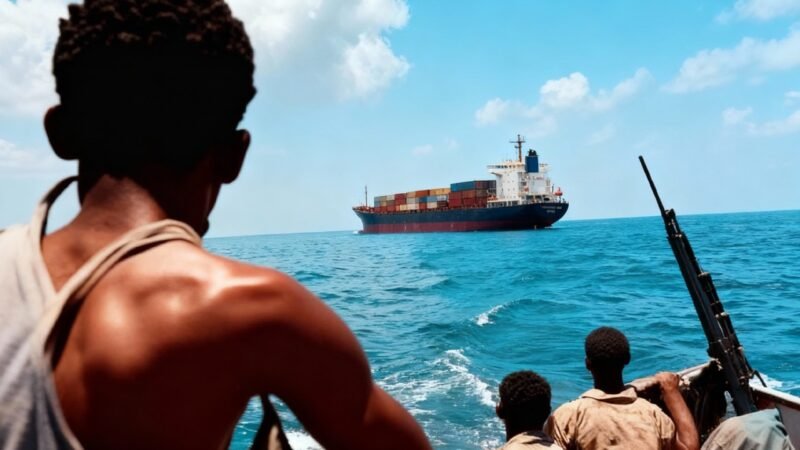
CAIRO — Egypt has intensified diplomatic efforts to secure the release of eight Egyptian sailors being held on a fuel tanker off the coast of Somalia, with Cairo engaging the Somali and Yemeni governments in urgent negotiations to secure their freedom.
Egypt’s Ministry of Foreign Affairs said it had strengthened coordination with Somali and Yemeni authorities, with the aim of securing the swift and safe return of the Egyptian nationals. The incident dates back to May 2, 2026, when armed individuals seized the MT Eureka, a Togo-flagged product tanker carrying approximately 2,800 tonnes of diesel, off the coast of Yemen’s Shabwa province and forced it toward Somali waters .
Cairo has been closely monitoring the health and living conditions of the detained sailors and is working to provide them with necessary care and essential supplies during the ongoing release efforts, the ministry said. Egypt has not yet announced an official timeline for the sailors’ release but has stated that it will continue diplomatic engagement until a solution is reached.
The Egyptian Foreign Minister, Badr Abdelatty, has instructed relevant agencies to use all available diplomatic channels to secure the sailors’ release and held the tanker’s operator accountable for the safety of its crew. Abdelatty confirmed that he speaks with Somali Foreign Minister Abdisalam Abdi Ali daily and that Somali authorities are leveraging their strong ties with local tribes to secure the hostages’ release .
The Egyptian Foreign Ministry has stated that all Egyptian nationals aboard the ship were “safe” and that the Egyptian embassy in Mogadishu was maintaining continuous contact with Somali authorities and other concerned parties .
Ransom Demands and Threats to Crew
Pirates have increased their ransom demand to $10 million since the vessel was seized, severely restricted food and water supplies, and increased the number of armed guards on board . The captors have issued direct death threats and warned they will kill the hostages unless a ransom is paid within an extremely tight deadline .
An earlier ransom agreement collapsed because of technical hurdles in transferring funds, provoking the captors’ anger. The group also threatened to relocate parts of the crew to a remote mountain area to psychologically pressure the ship’s owners .
Security specialists note that extreme threats are commonly used as psychological leverage to expedite ransom payments, and that these hijackers differ from the structured, professional pirate networks that once dominated the region. Captain Sayed Al-Shadhali, head of the Egyptian Federation of Marine Officers, said the captors’ messages aim solely to pressure parties involved in the financial settlement, and that present signs do not indicate an imminent execution plan but rather an aggressive push to conclude negotiations .
Amiira Mohamed, the wife of Egyptian engineer Mohamed Radi, one of the eight Egyptian nationals aboard the vessel, said her husband was briefly allowed to contact her by phone. “He told me the situation is very difficult and pleaded for anyone who can help to intervene for their release,” she said .
A Surge in Piracy off Somalia’s Coast
The detention of the Egyptian sailors comes amid a resurgence of piracy and armed seizures off the Somali coast. The International Maritime Organization reported that 24 attacks, including both attempted and successful incidents, have been recorded in recent months, with perpetrators using increasingly heavy weaponry and violence .
Six merchant vessels and more than 90 seafarers are now being held captive in the region . The vessels include Honour 25, Sward, Eureka, Asana, Lutuf and Seamull .
The surge in piracy has sparked a political blame game between Mogadishu and Garowe, with the federal government accusing Puntland authorities of encouraging piracy. Defense Minister Ahmed Moallim Fiqi has accused Puntland President Said Abdullahi Deni of “encouraging pirates to demand ransom” through recent statements about hijacked vessels off the Puntland coast.
Fiqi urged governments whose ships are held not to pay ransom, warning that “every dollar you pay to the pirates will further finance this criminal activity” . He also questioned why pirates operate freely in Puntland, saying authorities know the identities and locations of those involved in piracy .
The piracy issue has further strained relations between Puntland and the federal government, with Deni having previously accused President Hassan Sheikh Mohamud of “openly creating pirates” and dismantling Somalia’s federal system.
The MV LUTUF hijacking has sparked further controversy, with Puntland authorities condemning airstrikes off its coast that killed nine people. Puntland’s Deputy Minister of Information, Bile Mohamud Qabowsade, said the extrajudicial killings violate international law.
Critical Note
Egypt’s diplomatic push to secure the release of its sailors highlights the growing international concern over the resurgence of piracy off Somalia’s coast. The incident underscores the complex security challenges facing the region, where armed groups continue to operate with relative impunity, threatening vital shipping lanes and maritime trade.
The detention of the Egyptian sailors also highlights the broader geopolitical implications of the piracy crisis, with regional governments accusing each other of facilitating or failing to prevent the attacks. The lack of a coordinated regional response to piracy continues to pose a significant challenge, and the Somali federal government, in coordination with regional states and the international community, must intensify efforts to secure the release of the Egyptian sailors and ensure the long-term stability of the country’s maritime domain.
Without sustained action, the resurgence of piracy could further destabilize the region and undermine efforts to rebuild Somalia’s economy and institutions. The international community must press for a coordinated response that addresses both the immediate security threats and the underlying factors that enable piracy to flourish.
Recommended Reading On ftlsomalia.com
Credit: Source link